
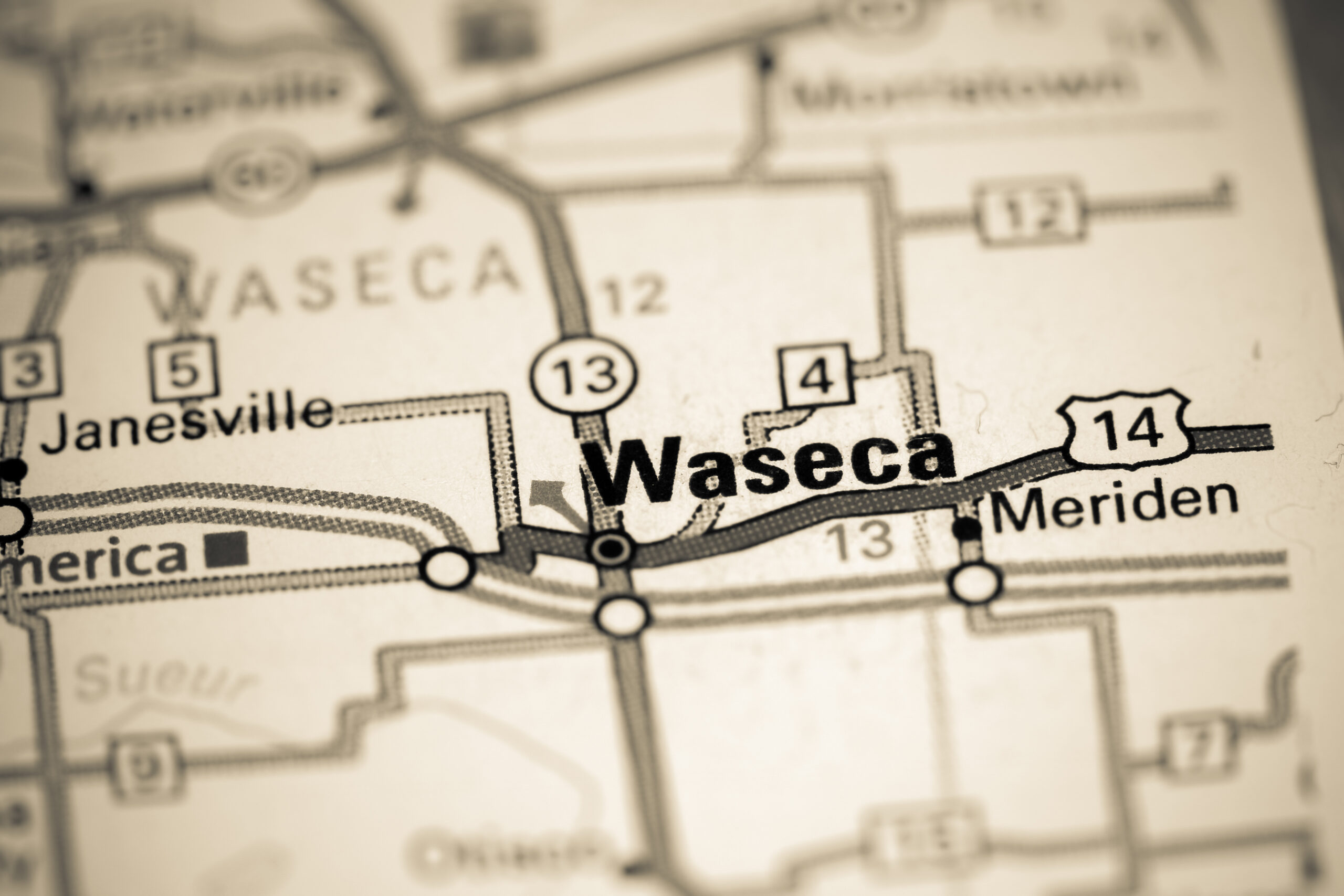
On September 11, 1959, a freight train struck a station wagon carrying Irene Zimmerman and six of her children to Sacred Heart Parochial School in Waseca, Minnesota. The collision killed all seven passengers: the children died at the scene, and Zimmerman, 39, died several hours later.
The disaster drew national attention, occurring one day after another widely publicized school-related train collision in Maryland. James Zimmerman, the children’s father, survived the loss. He later remarried and built a life beyond the tragedy, though he rarely spoke publicly about it.
In 1961, Zimmerman testified in support of Minnesota legislation requiring public-school transportation to be made available to eligible nonpublic-school students. Before the change, parochial-school children had not been permitted to ride buses alongside public-school students. The legislation became an important part of the state’s approach to equal student transportation access.
The Zimmerman family’s deaths remain a painful reminder of the consequences of collisions at railroad crossings and of the importance of careful driving around rail infrastructure. Their story also became connected to a lasting expansion of transportation protections for Minnesota schoolchildren.
Image via Shutterstock
