
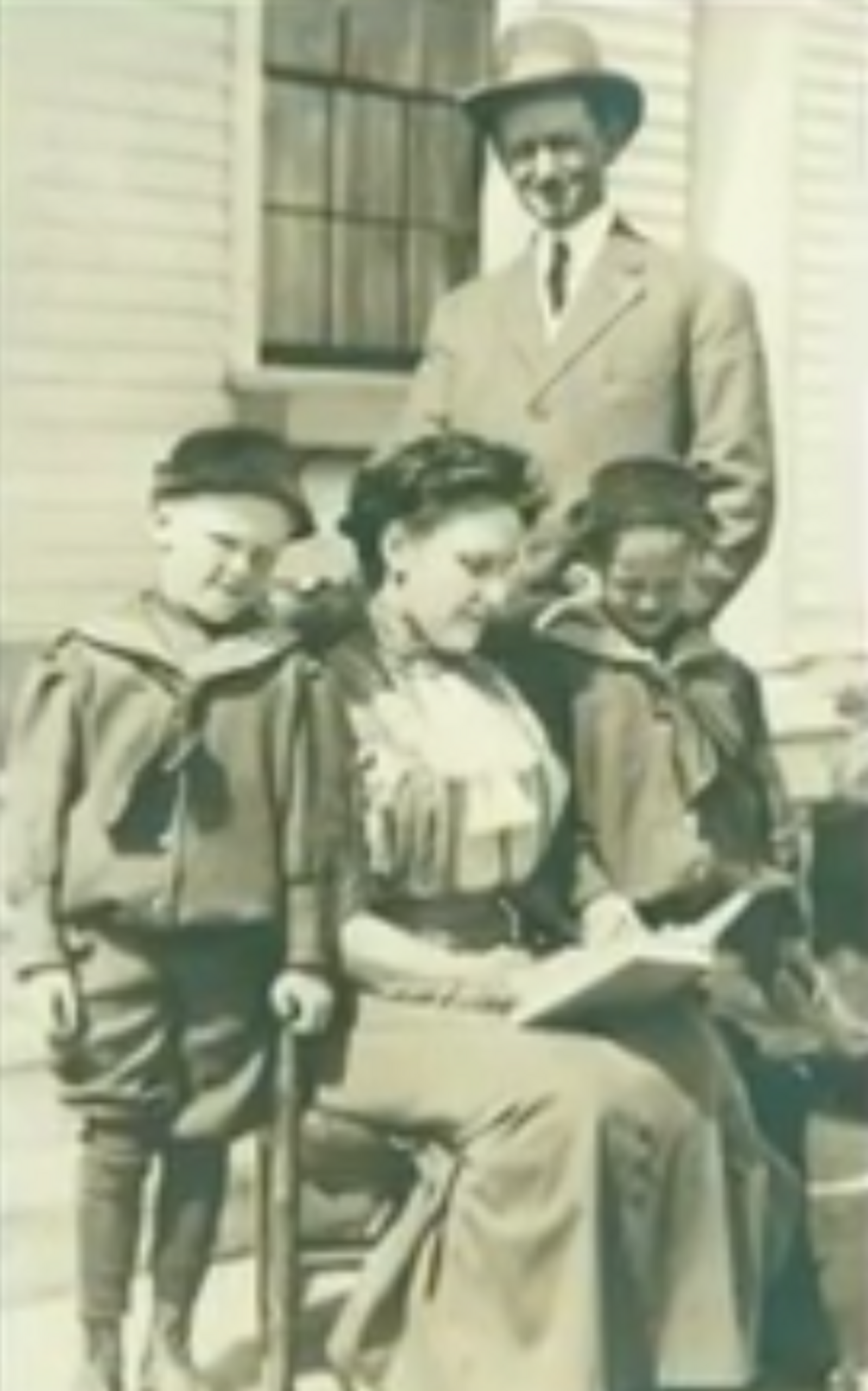
On September 11, 1902, Nellie Davis Tayloe, a young kindergarten teacher, married attorney William Bradford Ross in Omaha, Nebraska. The couple had met two years earlier while Nellie was visiting relatives in Dover, Tennessee. They soon made their home in Cheyenne, Wyoming, where William developed a legal practice and the couple raised their three sons.
Their move to Wyoming began a partnership that would become historically consequential. William Ross emerged as a leading progressive Democrat and was elected Wyoming’s 14th governor in 1922, taking office in 1923. After he died on October 2, 1924, following complications associated with illness and surgery, Democratic leaders encouraged Nellie Ross to seek the office in the special election.
Nellie Tayloe Ross won and took office on January 5, 1925, becoming the first woman to serve as governor of a U.S. state. She governed Wyoming until 1927 and later expanded her national public-service career when President Franklin D. Roosevelt appointed her director of the United States Mint in 1933. She was the first woman to hold that post and served for 20 years, through 1953.
The Rosses’ marriage therefore connects two important chapters in Wyoming and national political history: William Ross’s progressive governorship and Nellie Tayloe Ross’s barrier-breaking careers as governor and Mint director.
Image: Nellie Tayloe Ross and William B. Ross with their twin sons, via Wikimedia Commons, public domain