
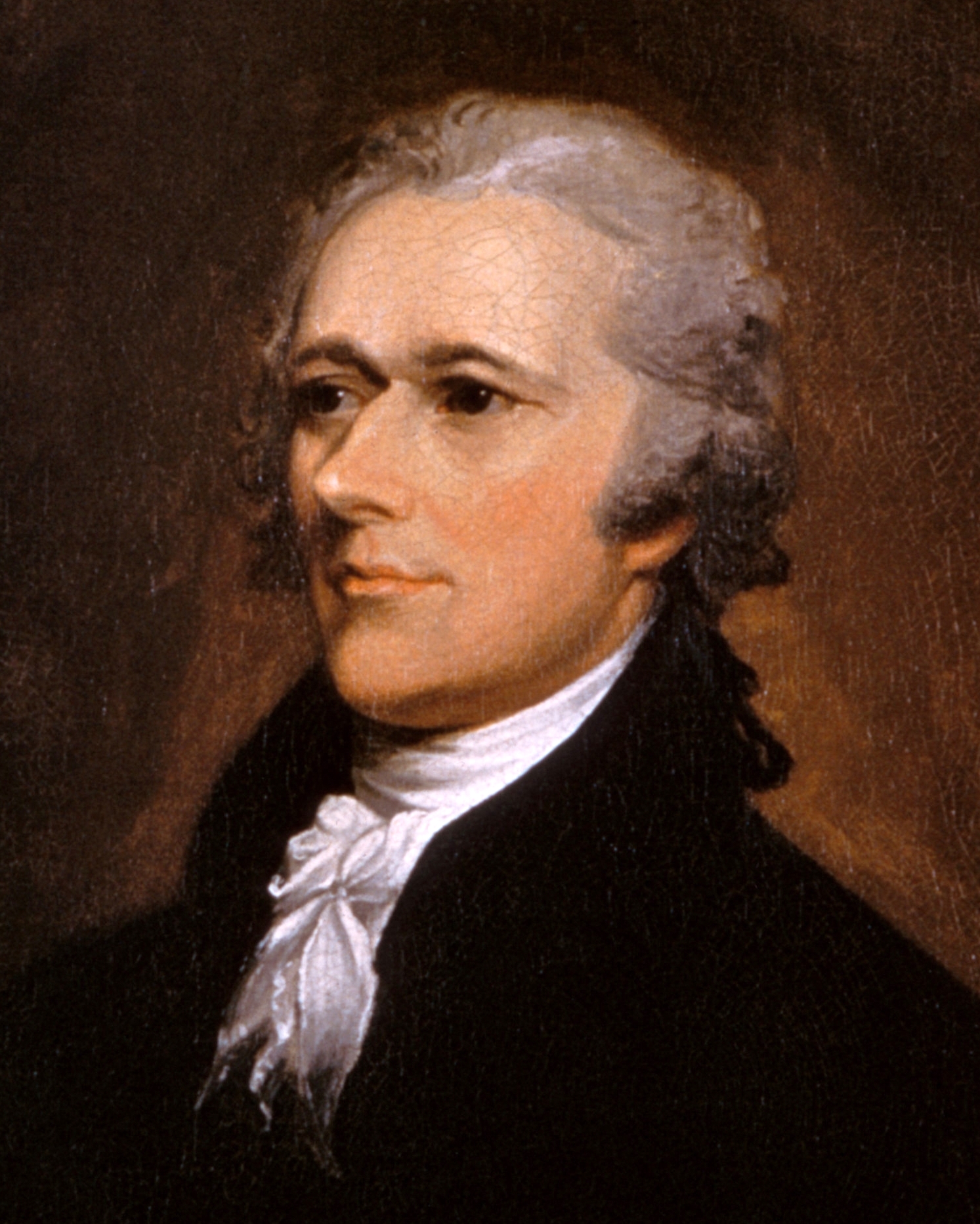
On September 11, 1789, President George Washington appointed Alexander Hamilton as the first Secretary of the Treasury. Taking charge of the new department amid the fiscal disorder that followed the Revolutionary War, Hamilton confronted substantial domestic and foreign debts, weak public credit, and the need to build a functioning national financial administration.
Hamilton’s early work focused on developing a coherent federal financial system. In his major reports to Congress, he advocated funding the national debt at full value, having the federal government assume outstanding state Revolutionary War debts, and establishing dependable sources of revenue. His broader program also supported customs duties, internal excise taxes, and a national bank. Together, these measures sought to strengthen federal authority, restore confidence in public credit, and create a more integrated national economy.
The Bank of the United States, chartered in 1791, became an important fiscal agent for the federal government, holding public funds and helping the Treasury conduct financial transactions. Hamilton’s system was controversial, particularly because it expanded federal influence and favored a closer relationship between government, finance, and commerce.
Hamilton’s appointment therefore marked more than the creation of a Cabinet office. His financial program helped establish the institutional foundations of federal taxation, public borrowing, and national banking. By making creditors and investors materially invested in the federal government’s stability, it strengthened the United States’ capacity to govern, borrow, and develop as a durable national state.
