
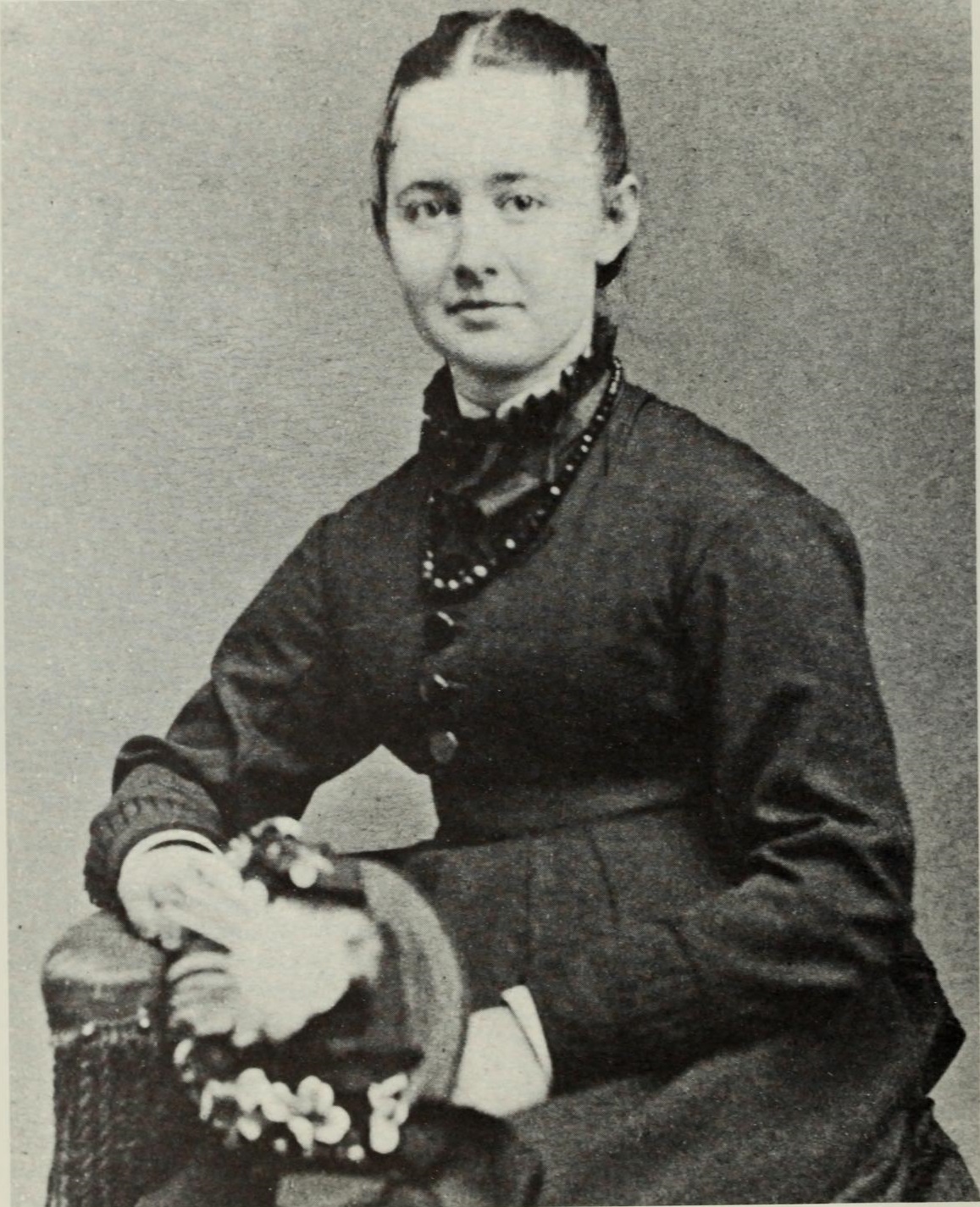
On September 7, 1860, Anna Mary Robertson Moses—known around the world as Grandma Moses—was born in Greenwich, New York. For most of her life, she worked within the demanding routines of rural family life: as a farm worker, wife, mother, and maker of needlework pictures. In her seventies, arthritis made embroidery too painful to continue, and, encouraged by family and friends, she turned increasingly to paint. By her late seventies, she had begun the artistic career that would make her one of America’s most recognizable folk painters.
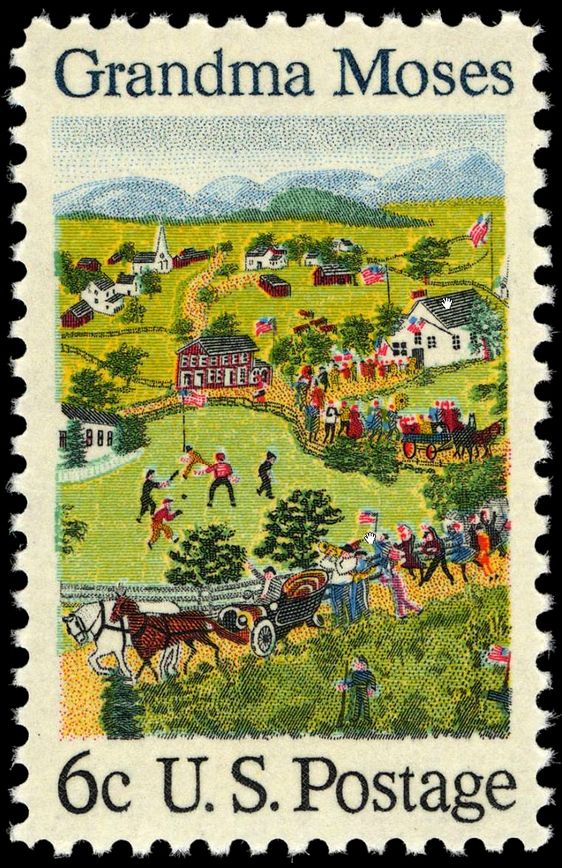
Moses painted vibrant, densely detailed scenes of rural life: snowy village roads, haying and sugaring seasons, farm labor, family gatherings, and community celebrations. Her work did not simply record the countryside; it shaped a warmly remembered vision of it, blending observation, storytelling, and memory. Though self-taught, she developed an immediately recognizable style and achieved remarkable popular and international success, continuing to exhibit and paint into her nineties.
Her life remains a powerful challenge to narrow ideas about who gets to become an artist and when. Moses’s often-quoted reflection—“And life is what we make it, always has been, always will be”—captures the practical optimism that informed both her paintings and her public legacy. Her work endures as a reminder that creative ambition need not follow a conventional timetable: meaningful art can emerge from long experience, close attention, and a life fully lived.
