
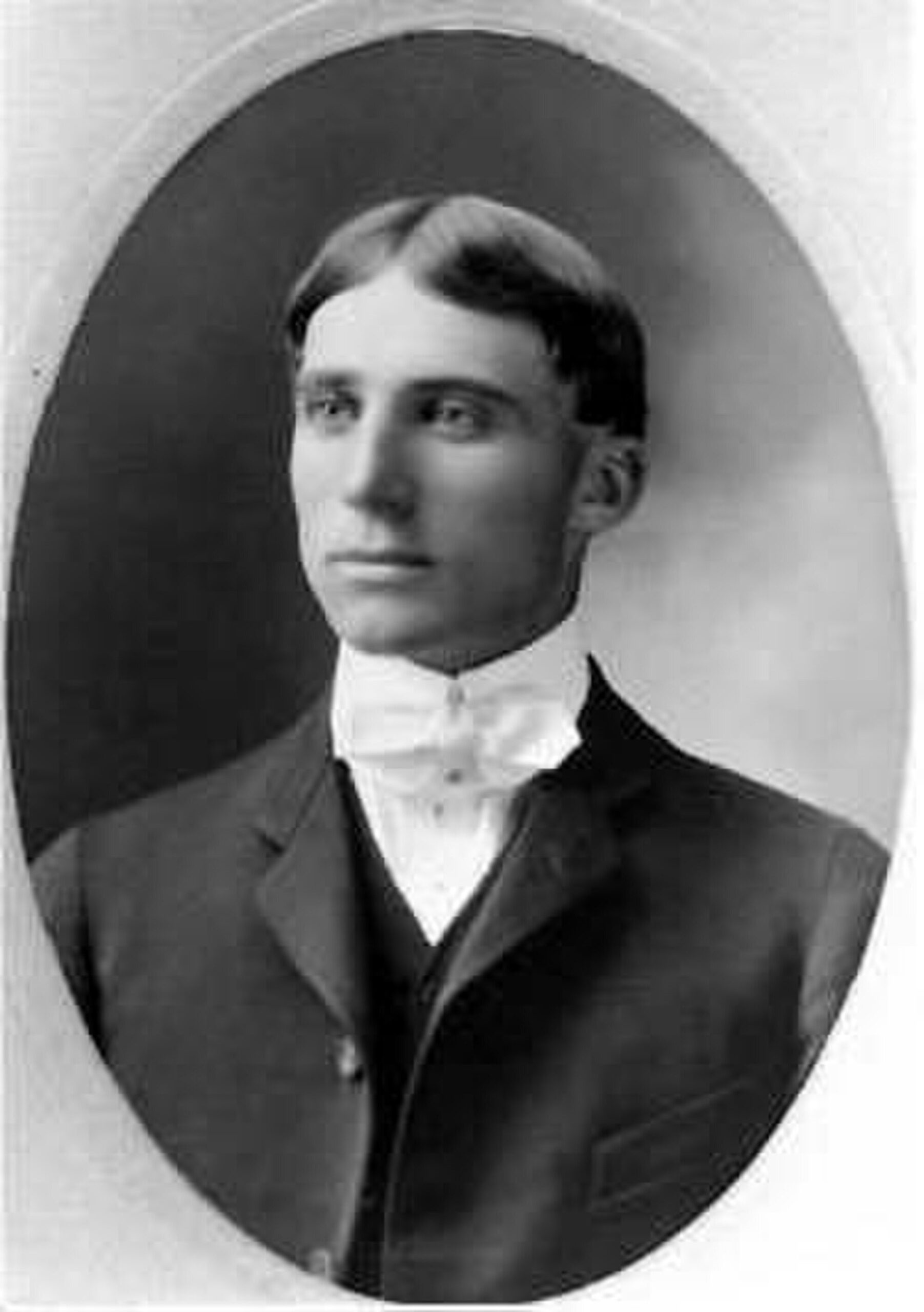
On September 5, 1906, a new era of American football began with a failure. In a season-opening game against Carroll College in Waukesha, Wisconsin, Saint Louis University’s Bradbury Robinson attempted what is widely credited as the first legal forward pass in college football history. The ball fell incomplete—and, under the rules of the day, the miss immediately gave possession to Carroll.
Saint Louis and its coach, Eddie Cochems, did not abandon the experiment. On a later possession, Robinson threw again, connecting with Jack Schneider on a 20-yard touchdown play as Saint Louis defeated Carroll, 22–0. The result made Robinson’s first incomplete throw and the Robinson-to-Schneider score enduring landmarks in football history.
The innovation arrived during a crisis for the game. Early football revolved around punishing mass plays and tightly packed formations, including the notorious flying wedge. The 1905 season brought at least 18 deaths and roughly 159 serious injuries, intensifying calls to reform—or even abolish—college football. President Theodore Roosevelt pressed leaders of the sport to pursue changes, and the Intercollegiate Athletic Association of the United States, later the NCAA, emerged from that reform movement. One of the most consequential rule changes was the legalization of the forward pass for 1906.
Cochems saw potential where many coaches initially saw risk. He had Saint Louis practice the “air attack” before the Carroll game, preparing Robinson and the offense to use a difficult new play with a bulky, rugby-style football. The first attempt failed, but the touchdown that followed showed that a defense built to stop massed running attacks could be threatened through the air.
The forward pass did not remake football in one afternoon; its acceptance unfolded over years. But the incomplete toss in Waukesha—and the touchdown that followed—helped reveal the strategic possibility that would eventually turn football into the open-field, passing-oriented game recognized today.
Image: Bradbury Robinson, via Wikimedia Commons, public domain
