
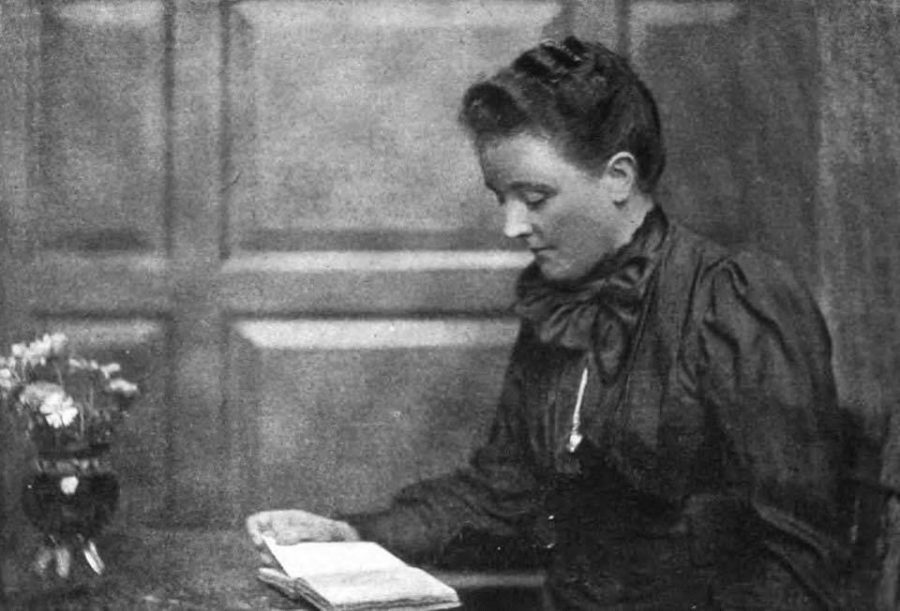
On September 3, 1849, American writer Sarah Orne Jewett was born in South Berwick, Maine. She would become one of the defining voices of American literary regionalism, or “local-color” writing, best known for her 1896 novel The Country of the Pointed Firs. Drawing on the villages, forests, and shorelines of Maine, Jewett wrote with unusual attentiveness to rural work, regional speech, women’s lives, and the economic changes reshaping coastal communities in an increasingly industrial nation.
Jewett possessed a rare ability to turn the ordinary details of rural life into prose of lasting emotional power. Her work finds depth in conversation, landscape, memory, and neighborly ritual, preserving a way of life without treating it as merely picturesque or nostalgic. In September 1883, she published her poem “Perseverance,” offering readers a gentle argument for patience and effort:
“Your patience may have long to wait,
Whether in little things or great,
But all good luck, you soon will learn,
Must come to those who nobly earn.
Who hunts the hay-field over
Will find the four-leaved clover.”
The artistic freedom that allowed Jewett to craft these enduring portraits was deeply supported by her personal life. Following the death of her father, she entered into a lifelong domestic partnership with Annie Adams Fields, the prominent Boston literary hostess and widow of publisher James T. Fields. This decades-long relationship, often referred to as a “Boston marriage,” provided Jewett with the emotional sanctuary, financial stability, and intellectual companionship necessary to write her finest literature entirely free from traditional marital expectations.
Image: Sarah Orne Jewett in 1902 via Wikimedia Commons, public domain