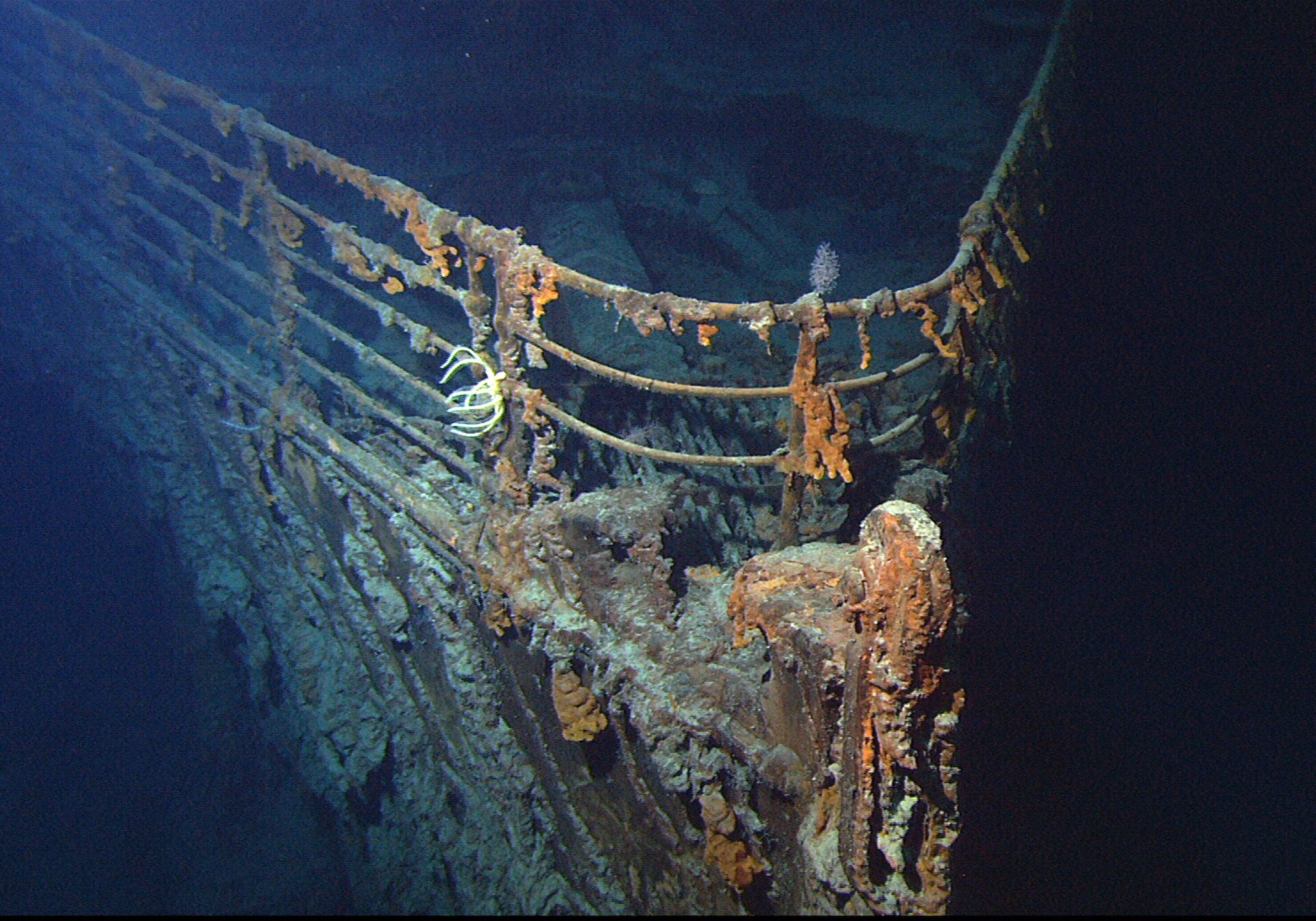
On September 1, 1985, a joint American‑French expedition located the wreck of RMS Titanic on the floor of the North Atlantic, more than 12,400 feet below the surface. The discovery ended more than seven decades of uncertainty about the ship’s precise resting place.
The expedition was led by oceanographer Robert Ballard and used advanced deep‑sea technology, including the remotely operated camera sled Argo. Images from the ocean floor revealed the wreck’s scattered debris field and the ship’s broken remains in the darkness of the abyss.
The search also had a Cold War dimension. Ballard’s Titanic effort followed classified, Navy‑supported work connected with locating and examining the wrecks of the lost U.S. nuclear submarines USS Thresher and USS Scorpion. Ballard was permitted to search for the Titanic only after completing his classified Navy work, leaving just a 12‑day window for the attempt. The discovery occurred during that narrow final period, turning a covert Cold War operation into one of the most famous oceanographic achievements of the 20th century.