
On September 1, 1894, the Great Hinckley Fire swept through Minnesota, killing hundreds of people and destroying entire communities. The fire was so intense that survivors described hurricane‑force winds, suffocating smoke, and a wall of flame that consumed towns within hours.
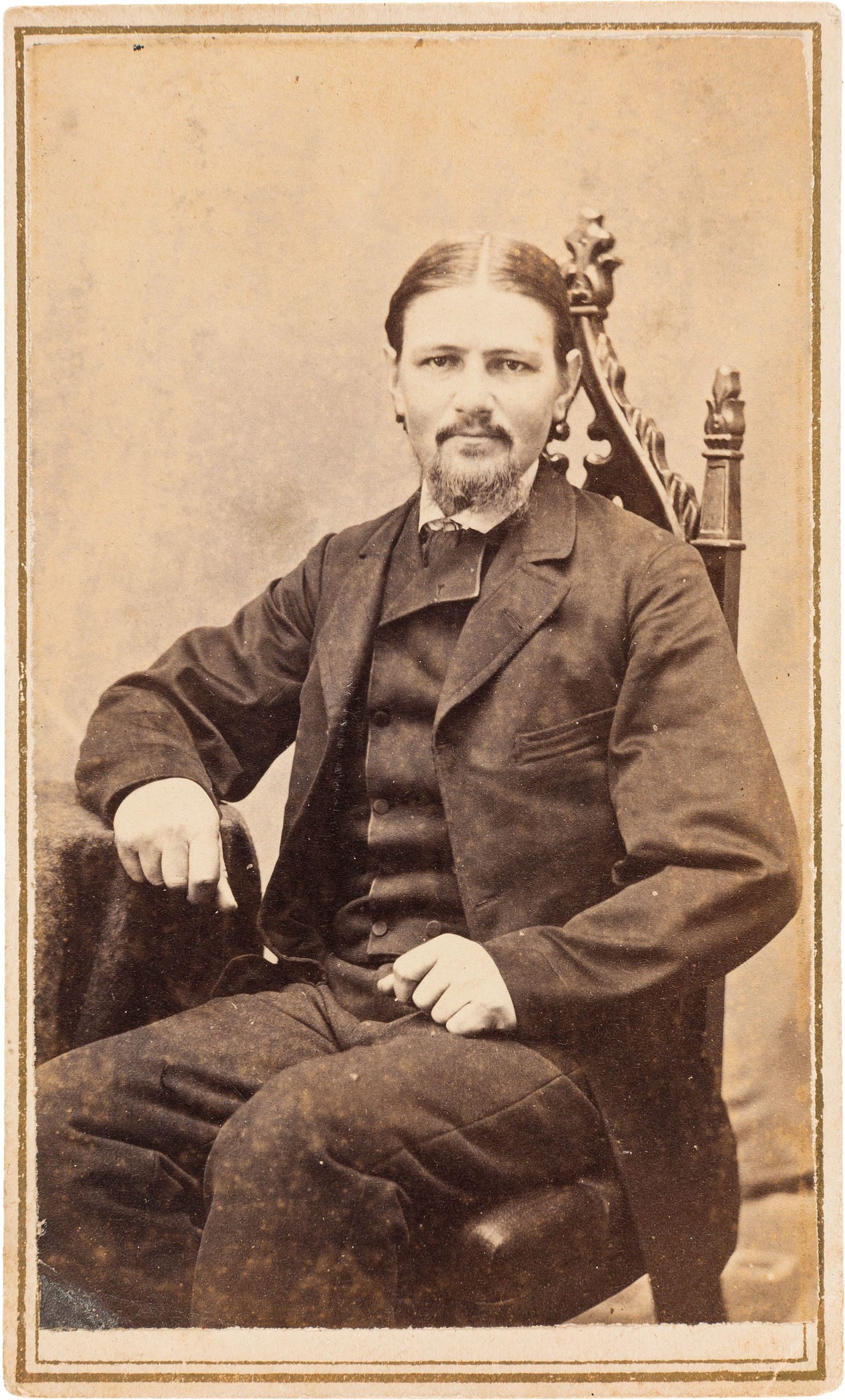
The disaster later became associated with Boston Corbett, the Union soldier famous for killing John Wilkes Booth in 1865. Corbett had struggled with severe mental illness in later life and escaped from the Topeka Insane Asylum in 1888. Spotting an unattended horse outside a window, he broke out of his room, mounted the horse, rode to a nearby train station, and vanished under an assumed identity.
He is believed to have traveled north and may have lived in Minnesota under an assumed name. Some accounts connect his disappearance to the Hinckley Fire, but there is no definitive proof that he died in the blaze. His ultimate fate remains unknown.
