
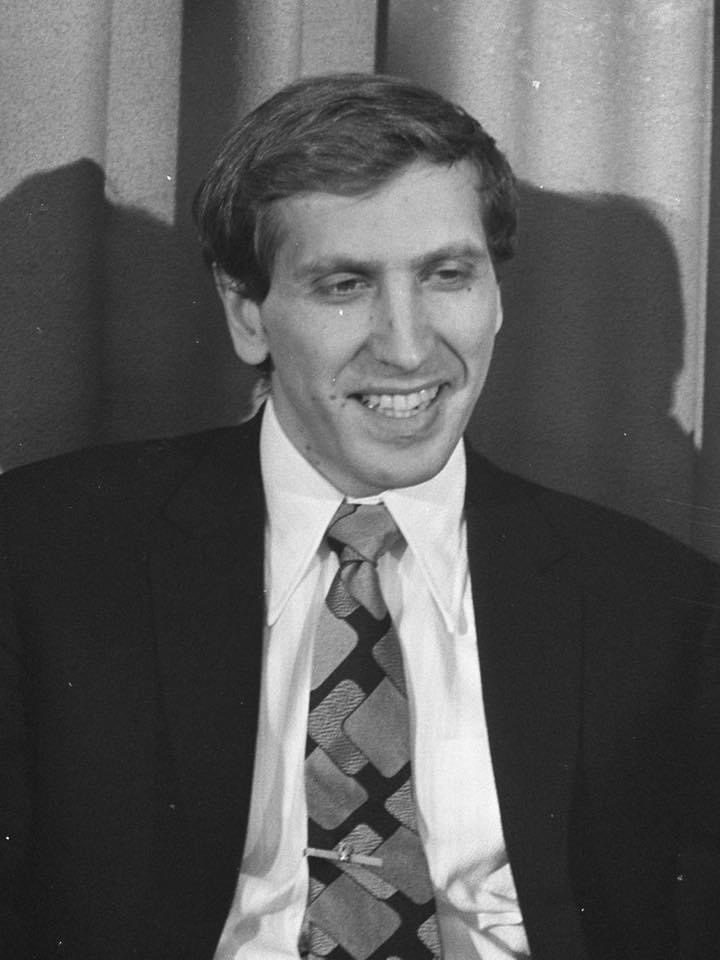
On September 1, 1972, Bobby Fischer became World Chess Champion in Reykjavík, Iceland, after Boris Spassky resigned the adjourned 21st game by telephone. Fischer’s victory ended a 24‑year run of Soviet world champions and made him an instant American celebrity.
The Fischer–Spassky match became one of the most famous sporting contests of the Cold War. To many viewers, it symbolized a confrontation between an eccentric American individualist and the highly organized Soviet chess establishment.
Fischer’s brilliance was inseparable from his volatility. He objected to cameras, noise, lighting, and playing conditions, and his disputes repeatedly threatened the match. Yet once the games began in earnest, his play was so powerful that he overcame one of the world’s strongest champions and changed the public profile of chess around the world.
