
On August 28, 1922, New York’s pioneering network station WEAF made mass‑media history by airing what is widely recognized as the first paid commercial radio advertisement. The ten‑minute message, sponsored by the Queensboro Corporation for a fee of $50, promoted the advantages of its new apartment developments in Jackson Heights, Queens — marking the moment when American broadcasting formally entered the marketplace.
The WEAF transmission represented a radical departure from the early ethos of radio, which had been funded almost entirely by electronics manufacturers and educational institutions that treated the medium as a public service. WEAF’s experimental model, known as “toll broadcasting,” demonstrated that companies could purchase discrete blocks of airtime to deliver targeted promotional content directly into the homes of listeners. The broadcast proved that radio could sustain itself not through philanthropy or hardware sales, but through structured commercial sponsorship.
The success of the Jackson Heights advertisement accelerated a nationwide shift toward corporate‑funded programming, giving network executives a durable financial blueprint for dramatic serials, live news coverage, and large‑scale entertainment. This transformation permanently reshaped the programming strategies of American radio, embedding consumer culture into the electronic infrastructure of the twentieth century.
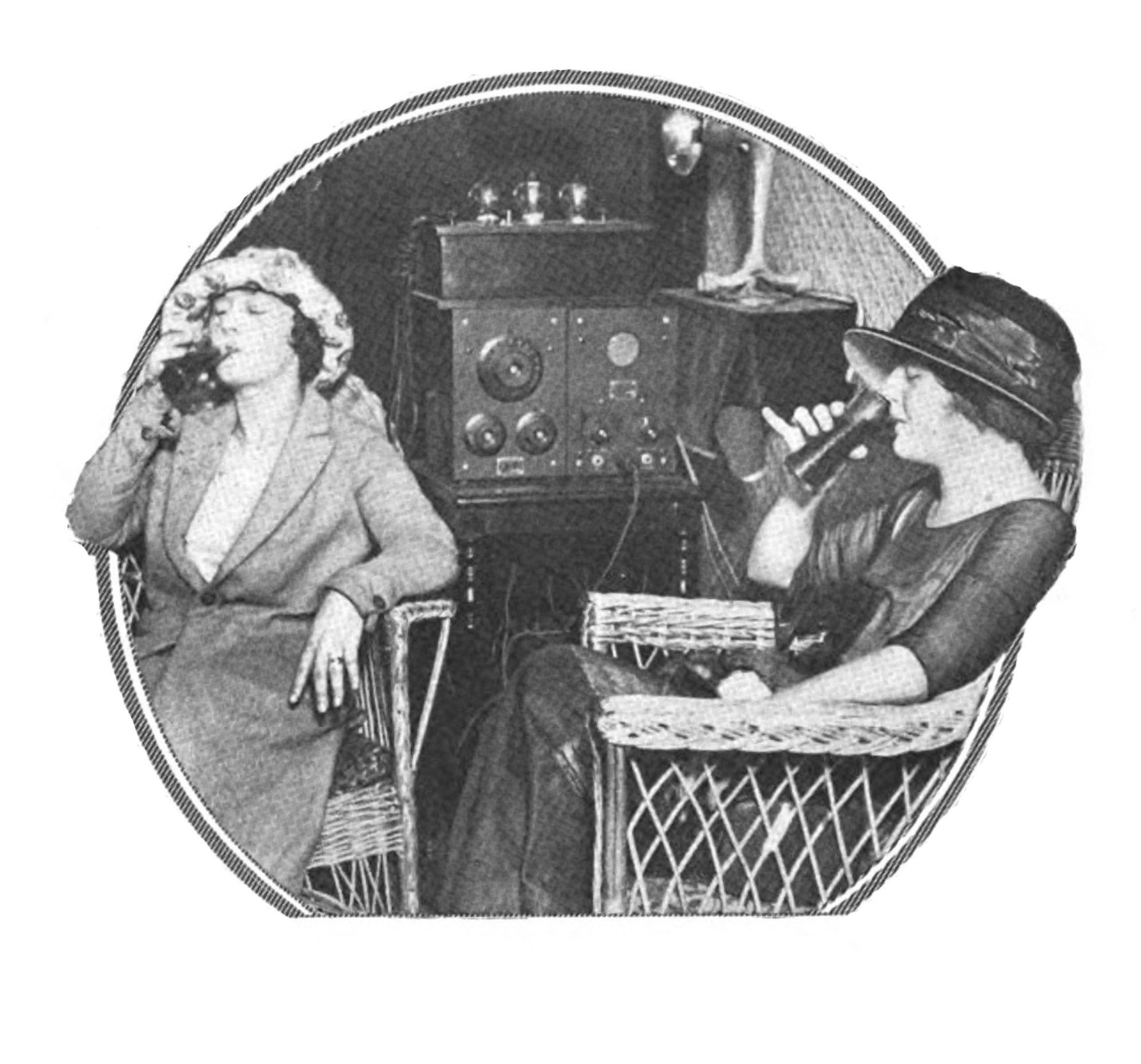
Image: An archival photograph shows two women listening to a home radio broadcast on an early vacuum‑tube receiver, c. 1922. (Image via Wikimedia Commons, no known restrictions.)
