
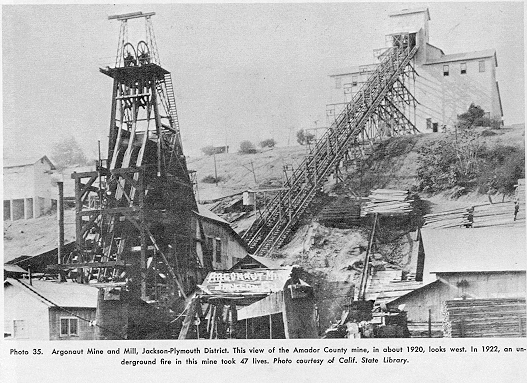
On August 27, 1922, a devastating underground fire ignited deep within the shafts of the Argonaut Gold Mine in Jackson, California, trapping forty-seven miners nearly a mile beneath the surface bedrock. The sudden industrial catastrophe quickly filled the tight, vertical timber corridors with thick walls of carbon monoxide gas, launching a frantic, high-stakes rescue campaign that captivated the attention of the entire nation.
The mechanical failure discovered on August 27th exposed severe, dangerous vulnerabilities inherent in early twentieth-century deep-shaft mining infrastructure and corporate safety regulations. Because the mine’s primary ventilation system was completely severed by the initial blaze, rescue teams from neighboring operations had to spend three grueling weeks drilling a specialized horizontal tunnel from a nearby mine to reach the trapped shift. Despite working with unyielding discipline, the rescue teams ultimately arrived too late, discovering that all forty-seven men had succumbed to asphyxiation within hours of the initial outbreak.
The tragic loss of life sent a massive shockwave across the American mining industry, forcing California regulators to aggressively mandate the construction of independent, secondary escape shafts and fireproof communication wires for all underground operations. The disaster stands as a somber record of industrial history, framing the immense human cost of corporate safety gaps and the volatile nature of extracting wealth from the earth. The historic event remains a critical case study in mining engineering, outlining the precise parameters required to secure subterranean workspaces against catastrophic collapse.
Image via Wikimedia Commons, public domain.
