
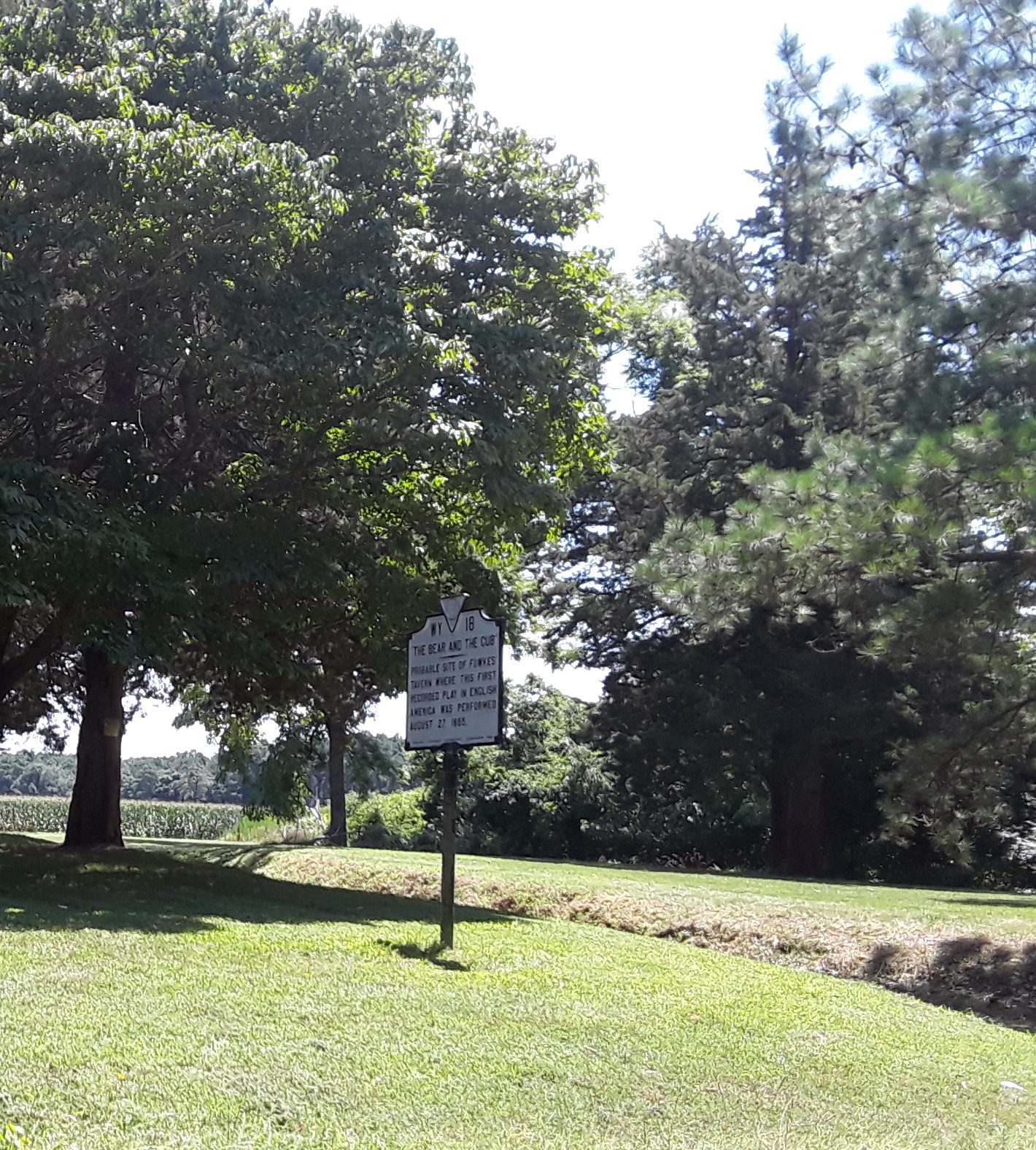
On August 27, 1665, the first known play performed in English-speaking North America, titled Ye Bear and Ye Cubb, was staged by a trio of local citizens in Accomack County, Virginia. The brief, amateur theatrical production immediately sparked intense local outrage, prompting a conservative neighbor to file formal criminal charges against the actors for violating the strict moral codes of the early colonial frontier.
The legal confrontation following the August 27th performance offered an unvarnished window into the severe social anxieties and cultural restrictions that governed early tidewater society. When the local magistrates ordered the actors to appear in court, they commanded the men to don their theatrical costumes and re-enact the entire play inside the courtroom to allow the bench to evaluate its potential for civil subversion or blasphemy. After inspecting the lines and performance dynamics, the judges thoroughly surprised the community by ruling that the text was completely harmless, dismissing the charges and ordering the original accuser to pay all legal court fees.
While the exact manuscript of the play has been lost to time, the trial records survive as an insightful record of early American social history, capturing the precise moment that creative secular entertainment first collided with municipal governance on the continent. The ruling successfully established an early, foundational legal precedent that protected public expression and communal storytelling from frivolous censorship within the young colony. A historic sign marker stands near the coastal site today, preserving the memory of a lighthearted performance that helped broaden the cultural boundaries of the early frontier.
Image: A scenic view captures the possible historic coastal site where the early performance was staged in Accomack County, Virginia. (Image via Wikimedia Commons, CC BY SA 4.0).
