
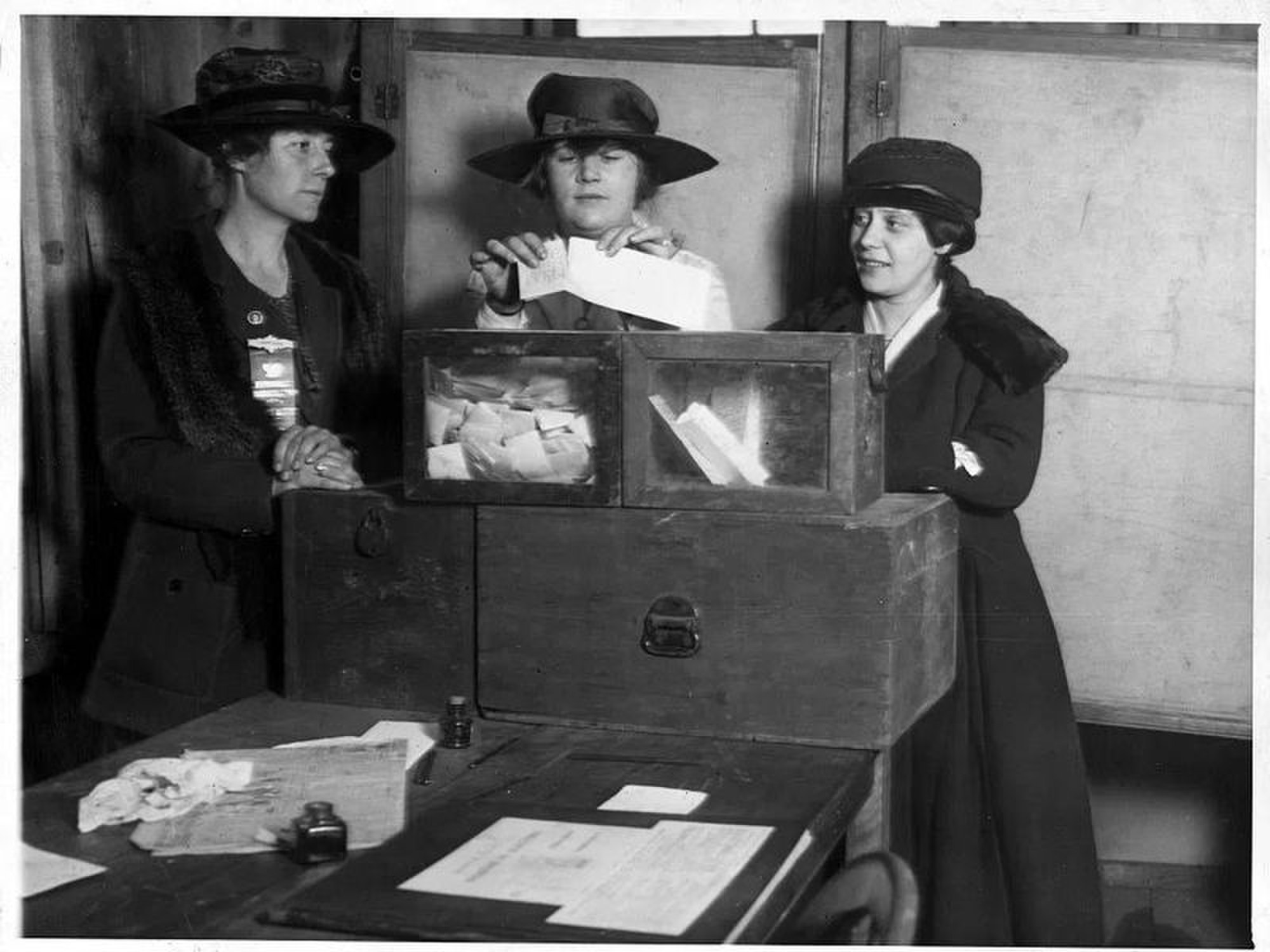
On August 26, 1920, Secretary of State Bainbridge Colby officially signed the proclamation certifying the ratification of the Nineteenth Amendment to the United States Constitution. This administrative act brought a formal, legal victory to a grueling, multi-generation political battle led by American suffragists, permanently prohibiting either the states or the federal government from denying citizens the right to vote on account of sex.
The certification finalized on August 26th marked a transformative milestone in the history of American democracy, expanding the national electorate by millions of citizens in a single stroke. Prior to this constitutional breakthrough, generations of women had endured severe legal isolation, state-level disenfranchisement, and public arrest while marching for political representation. The new amendment systematically dismantled these regional legal barriers, establishing a uniform national standard that allowed women to participate directly in the upcoming 1920 presidential election.
The political shift triggered an immediate re-engineering of campaign strategies across both major parties, forcing legislative bodies to address long-ignored social issues like child labor, public health infrastructure, and educational funding. By embedding voting rights directly within the supreme law of the land, the amendment provided women with an essential tool to shape municipal and federal policy. The 1920 certification remains a landmark event in civil rights statecraft, proving that organized civic resistance could successfully expand the constitutional boundaries of the republic.
Image via Wikimedia Commons, public domain.