
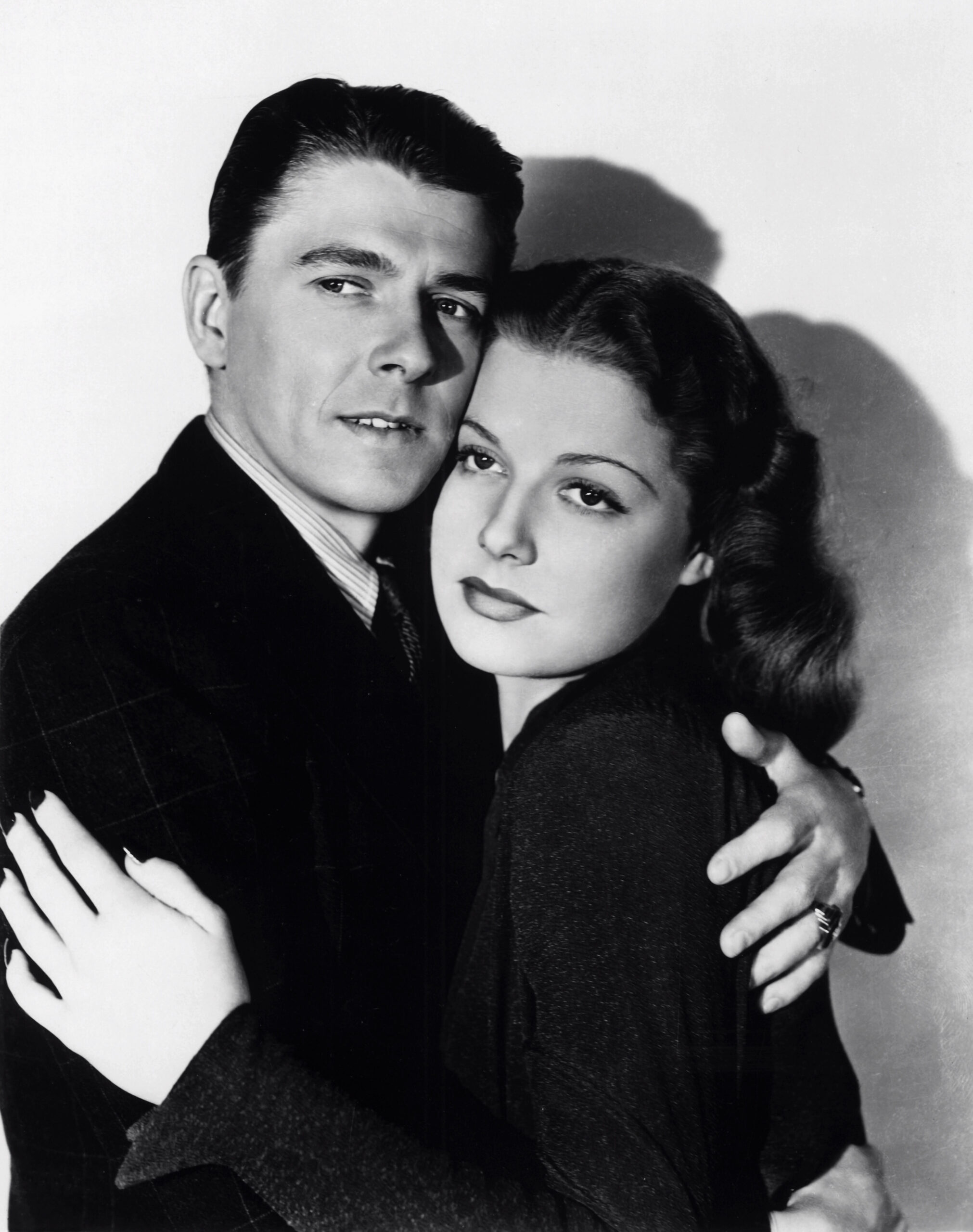
On August 26, 1939, Warner Bros. debuted its crime melodrama The Angels Wash Their Faces across American theaters, just days before the outbreak of World War II interrupted the global entertainment market. The film prominently featured the Dead End Kids, a popular ensemble of young New York actors celebrated for their gritty, realistic portrayals of street children navigating the systemic hardships of the Great Depression.
The cinematic launch executed on August 26th served as an insightful public showcase of New Deal‑era social anxieties, political corruption, and civic optimism. The plot follows the street‑smart youth as they deploy their neighborhood intelligence to exonerate a falsely accused friend, coordinating with a reform‑minded deputy district attorney played by a young Ronald Reagan and his persistent sister, portrayed by Ann Sheridan. The narrative cleverly uses a charity “Boys’ Week” event—where one of the boys is declared honorary mayor—to mount a satirical assault on municipal negligence and political machine corruption.
The film’s cultural resonance lay in its ability to balance fast‑paced urban entertainment with a serious message about social accountability and juvenile reform. By demonstrating that even the most marginalized, working‑class street children could independently restore justice when formal municipal systems failed, the movie captured the collective hope of a nation rebuilding its civic infrastructure. The production remains an enduring example of classic Hollywood social realism, illustrating how popular mass media reinforced democratic ideals during a period of economic transition.
Image via Alamy.
