
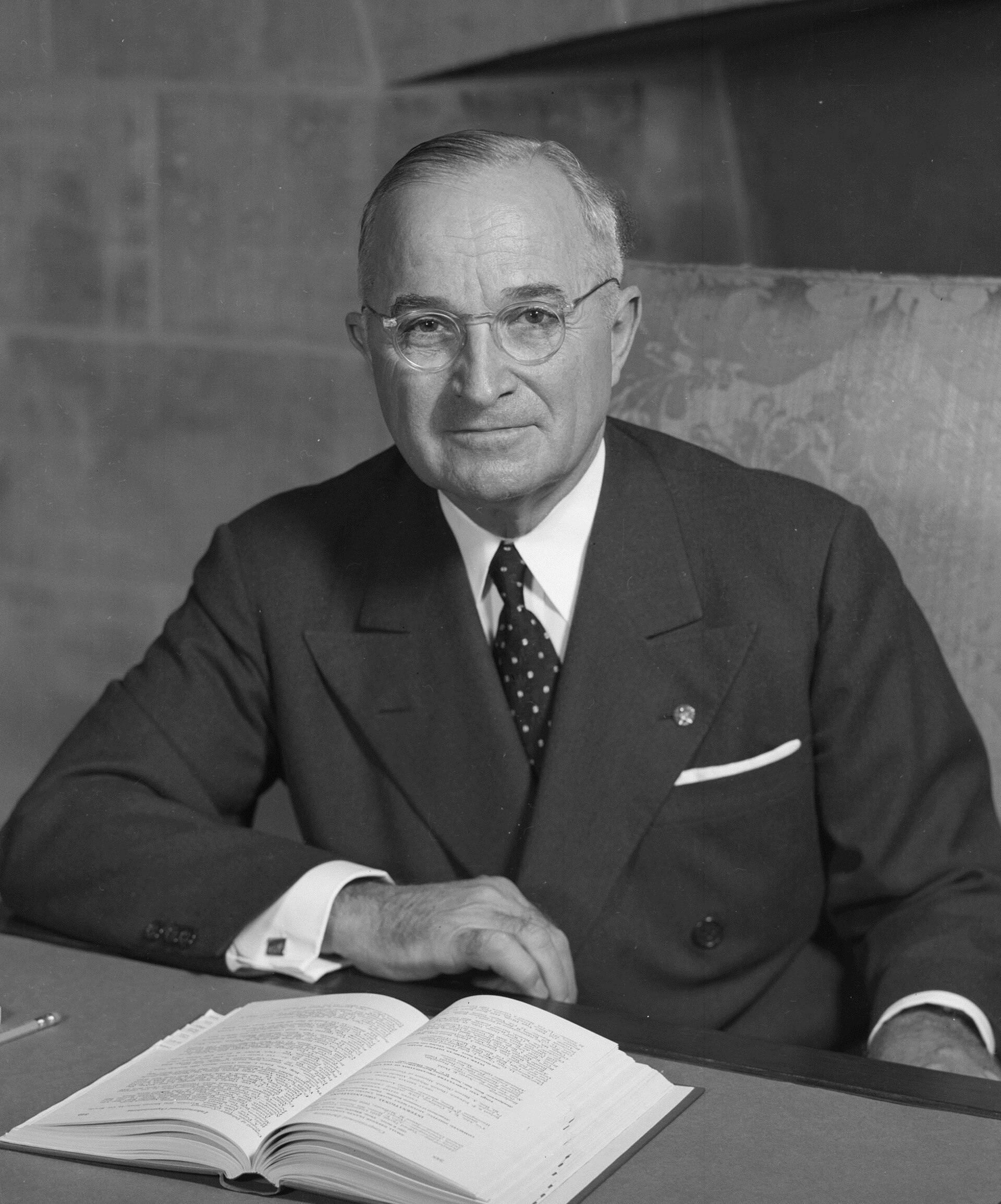
On August 25, 1950, President Harry S. Truman issued Executive Order 10155, directing the U.S. Army to take possession of key American railroads to prevent a nationwide strike scheduled for August 28. With the Korean War underway and two major unions—the Brotherhood of Railroad Trainmen and the Order of Railway Conductors—refusing to accept an emergency board’s recommendations, Truman argued that uninterrupted rail service was essential to national defense and public welfare.
At 4 p.m. on August 27, the Army assumed control, though railroad management continued daily operations under federal supervision. The seizure lasted 21 months, ensuring continuous transportation during a critical period of wartime mobilization. The episode remains a defining example of how far a president can extend executive authority to maintain vital infrastructure during a national emergency.
Image via Truman Presidential Library, public domain.
