
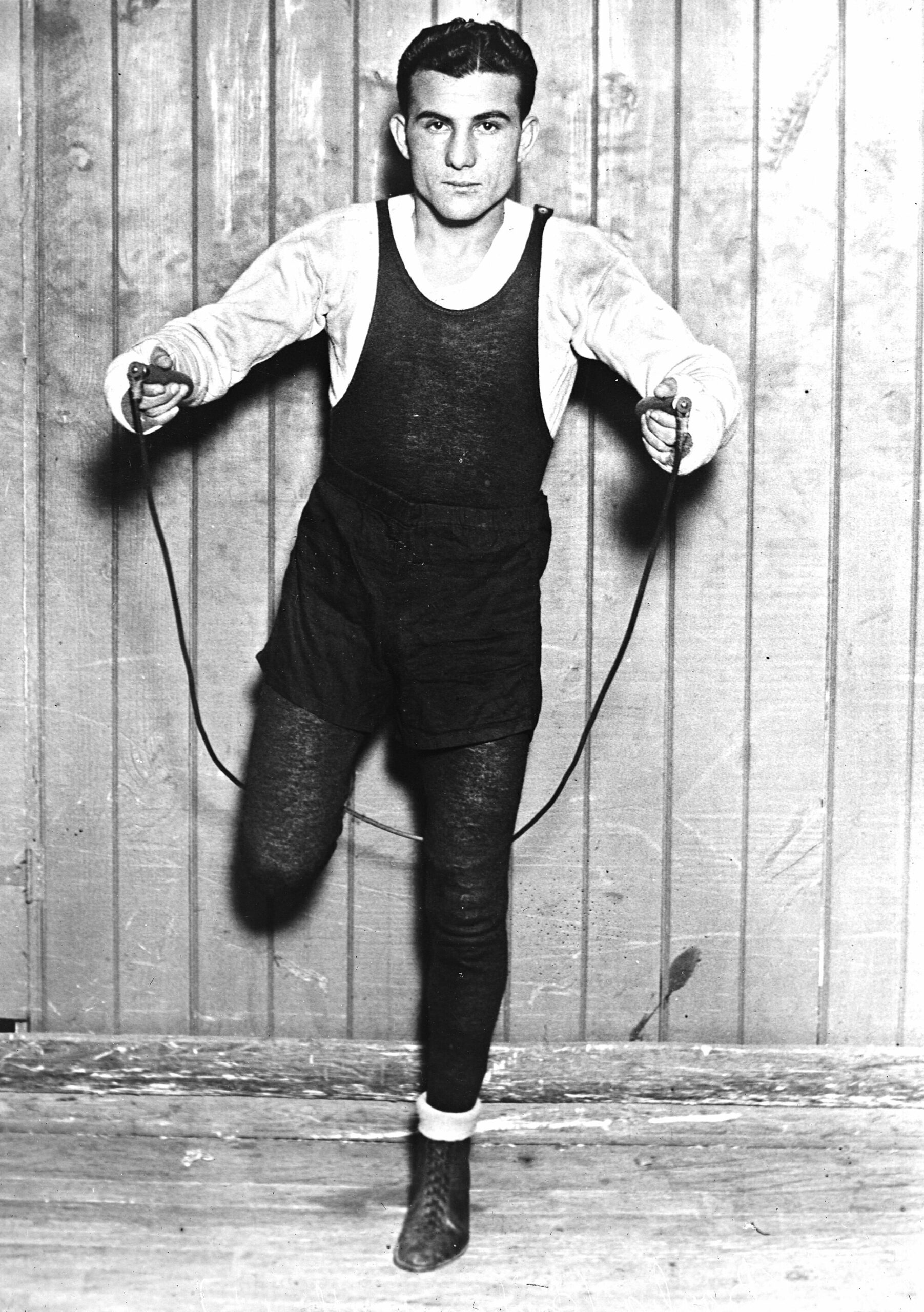
On August 22, 1925, nineteen‑year‑old Fidel LaBarba defeated Frankie Genaro to win the American Flyweight Title. Raised in hardship and hardened by street‑corner fights, LaBarba developed extraordinary timing, footwork, and resilience that made him one of the most formidable young boxers of his era.
LaBarba’s victory on August 22nd marked the explosive arrival of a prodigy whose disciplined aggression and tactical intelligence stunned the boxing world. Born into poverty in Los Angeles, he spent his youth fighting in alleys, gyms, and makeshift rings, sharpening a style built on relentless pressure and uncanny defensive instincts. By the time he stepped into the ring against Genaro—a veteran professional—LaBarba carried the prestige of his own recent 1924 Olympic gold medal along with the raw hunger of a fighter who had clawed his way upward through sheer force of will.
His greatest legacy came two years later in 1927, when he captured the World Flyweight Championship and then made a decision almost unheard of in the brutal world of prizefighting: he voluntarily relinquished the title to enroll at Stanford University. LaBarba’s choice shocked the sporting press, but it revealed the deeper architecture of his character—a young champion who understood that greatness could be measured not only in punches thrown, but in futures built. His career remains a monument to grit, discipline, and the belief that a fighter’s destiny can stretch far beyond the ropes of the ring.
Image: Fidel LaBarba portrait via Wikimedia Commons, public domain.
