
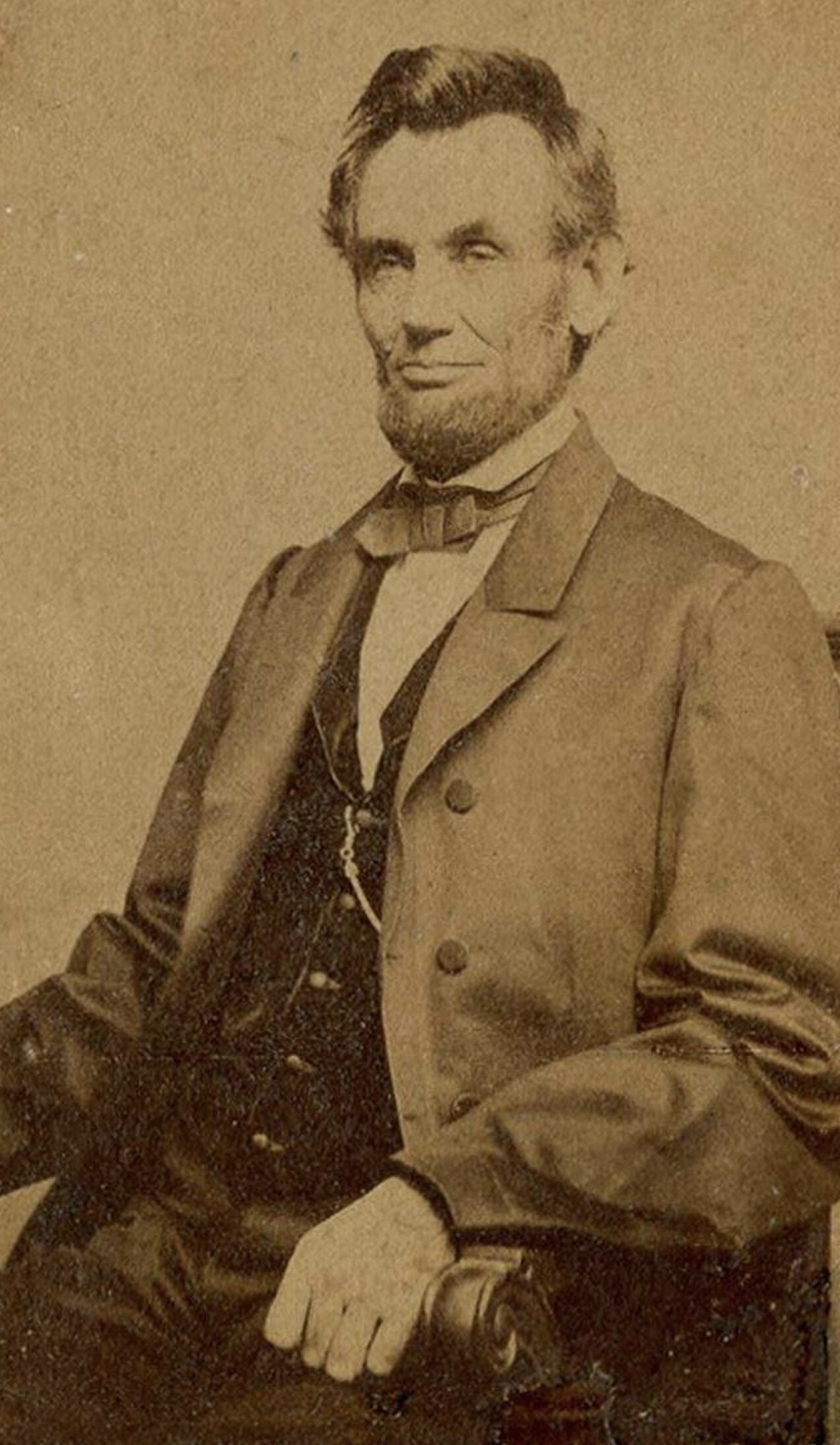
“It is not merely for to-day, but for all time to come that we should perpetuate for our children’s children this great and free government, which we have enjoyed all our lives. I beg you to remember this, not merely for my sake, but for yours.” On August 22, 1864, President Abraham Lincoln delivered a heartfelt and spontaneous address to the 166th Ohio Regiment as they prepared to return home after their service in the Civil War. His words were brief, but deeply resonant—an appeal not just to patriotism, but to the promise of American democracy.
The impromptu speech delivered from the portico of the White House on August 22nd served as a profound, high-stakes reminder of the purpose behind the immense sacrifices of the sectional conflict. Speaking to an assembly of battle-weary hundred-days volunteers whose enlistments had expired, Lincoln bypassed standard military bravado to offer a deeply philosophical defense of the constitutional republic. He deliberately framed the war not as a mere geopolitical struggle to preserve borders, but as a global test of whether an open, self-governing society could successfully survive the internal fires of rebellion.
By directly pleading with the departing soldiers to carry this heavy awareness back to their home communities, Lincoln elevated their localized frontier service into a sacred, generational trust. His brief remarks captured the immense emotional weight of a presidency constantly balancing civil liberties with military necessity, turning a routine military send-off into an immortal rallying cry for the protection of equal rights. The address stood as a powerful testament to his leadership style, proving that behind his calloused wartime exterior lay a relentless, clear-eyed focus on securing the avenues of freedom for generations yet unborn.
Image: Image of Lincoln in 1864 by Mathew Brady via Wikimedia Commons, public domain in the US.
