
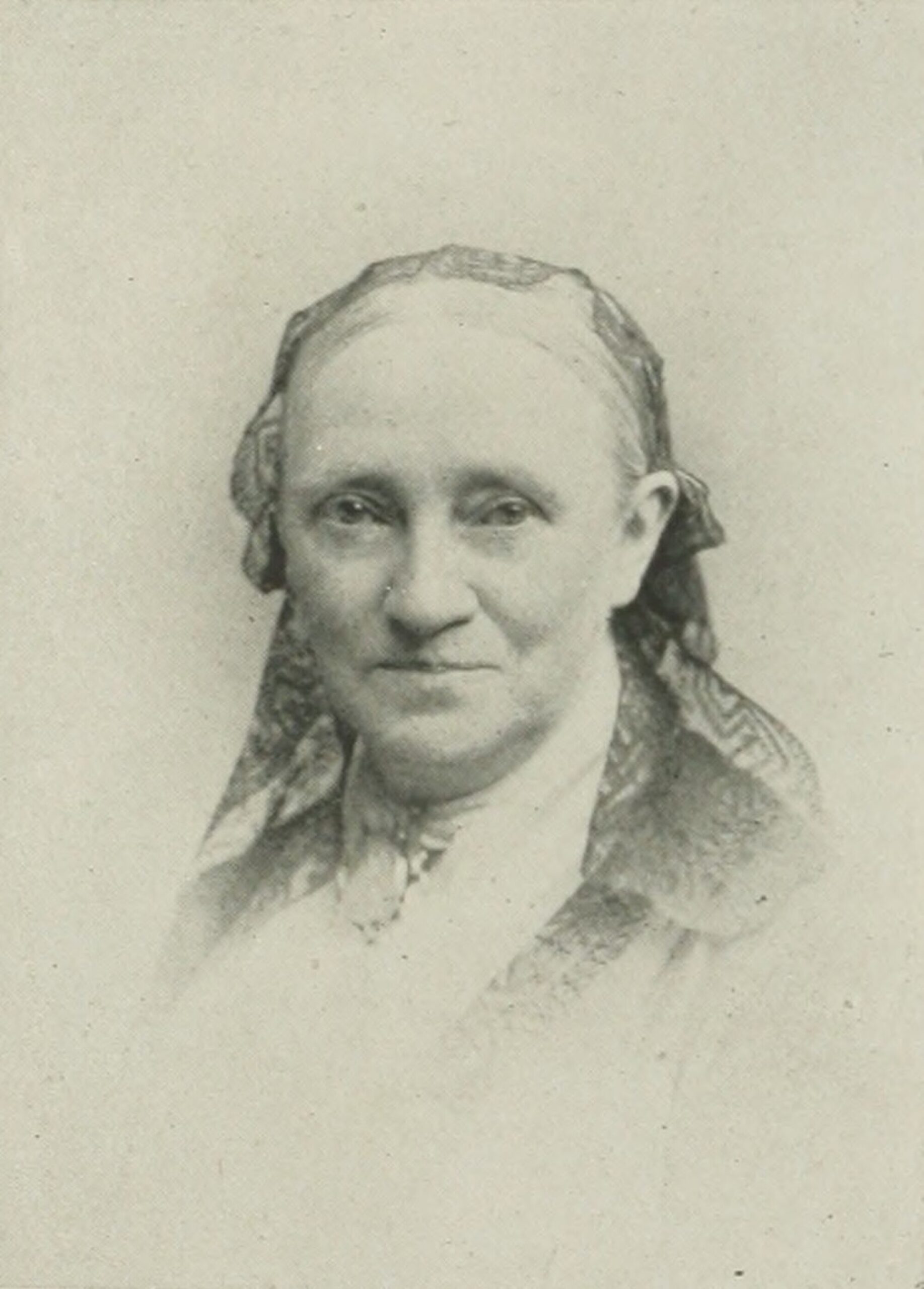
Charlotte Fowler Wells, born August 14, 1814, in Cohocton, New York, was a pioneering educator, publisher, and public intellectual who helped shape the popular reception of phrenology in 19th-century America. She taught the first formal class in phrenology in the United States, and later became president of the Fowler & Wells Company, a leading publisher and lecture bureau founded by her brothers Orson Squire Fowler and Lorenzo Niles Fowler. Married to Samuel Roberts Wells, she co-edited the American Phrenological Journaland helped establish the American Institute of Phrenology, blending scientific curiosity with reformist zeal.
Wells’s influence extended beyond cranial charts: she was a business manager, lecturer, and advocate for women’s rights and social reform. Her belief in science as a moral force shaped her public work, even as phrenology itself became increasingly contested. Into her eighties, she continued to publish and speak, remaining a visible figure in American intellectual life until her death on June 4, 1901, in West Orange, New Jersey.
Her long career was a brilliant exercise in navigating a highly competitive, male-dominated publishing landscape by packaging an alternative psychological science as a powerful tool for self-improvement and social reform. At a time when traditional medicine was often harsh and inaccessible, Wells argued that mapping the contours of the human skull could unlock a person’s natural moral and intellectual potential, using her lecture bureau to amplify early abolitionist, temperance, and feminist voices. Her unwavering, hands-on management turned a controversial Gilded Age fringe movement into a mainstream cultural phenomenon, leaving behind a lasting imprint on how 19th-century Americans understood the inner workings of human character.
