
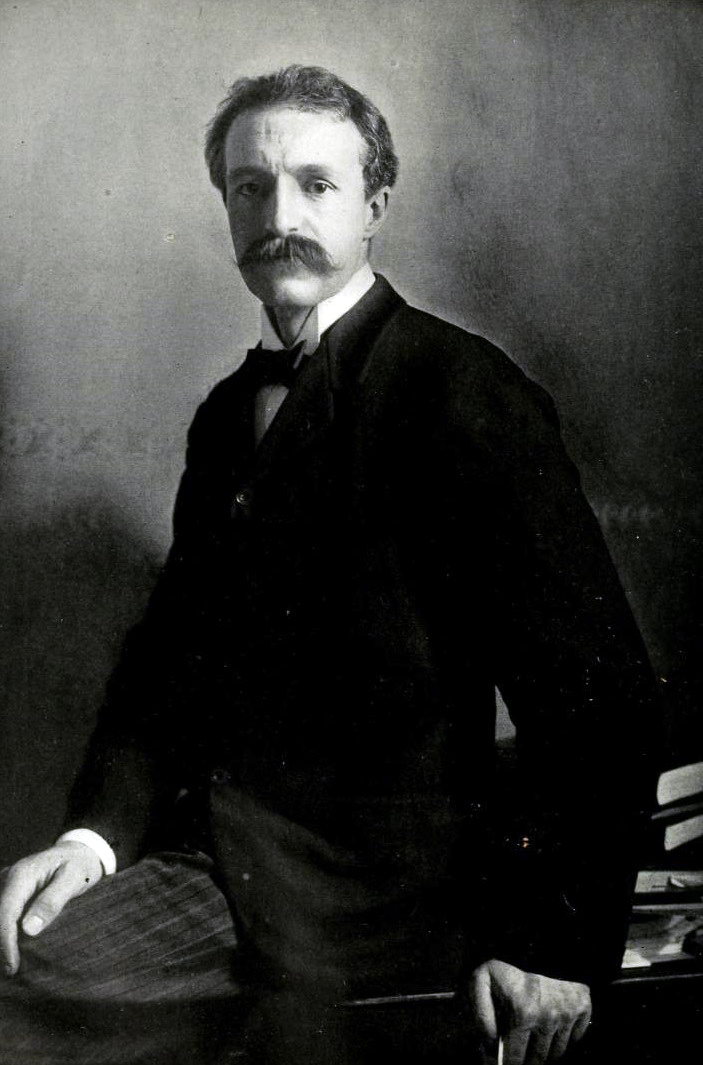
August 11, 1865, marked the birth of Gifford Pinchot in Simsbury, Connecticut, a man destined to become the defining architect of environmental management in the United States. Raised in an affluent family with a deep appreciation for nature, Pinchot traveled to Europe to study scientific forestry, a discipline that practically did not exist in 19th-century America. Upon his return, he aggressively injected these European methodologies into the American landscape, fundamentally shifting how the nation viewed its seemingly inexhaustible natural resources.
Pinchot successfully revolutionized environmental philosophy by coining and championing the concept of “conservation ethics,” which stood in stark contrast to the preservationist ideals of his contemporary, John Muir. While Muir advocated for leaving wilderness entirely untouched by human hands, Pinchot argued that public lands should be managed scientifically and sustainably. He famously summarized his philosophy as managing nature to provide “the greatest good for the greatest number over the longest time,” balancing environmental health with economic utility.
His visionary approach caught the attention of his close personal friend, President Theodore Roosevelt, who appointed Pinchot as the very first Chief of the newly established United States Forest Service. Together, the duo dramatically expanded America’s public lands, placing millions of acres of forest under federal protection and scientific management. Pinchot’s enduring legacy of public service later propelled him to politics, where he served two highly influential terms as the 28th Governor of Pennsylvania, cementing his status as a titan of American conservation.
