
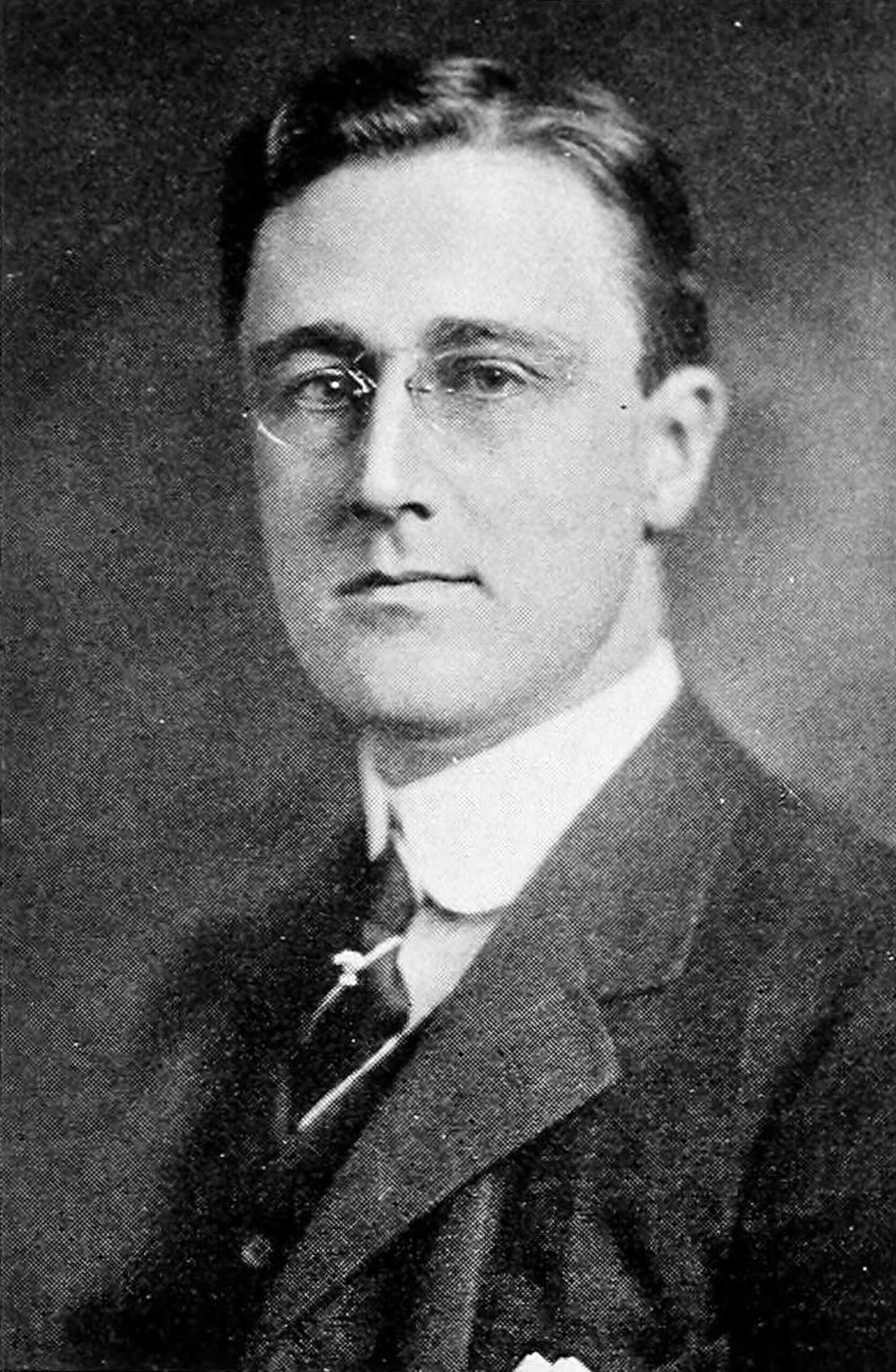
On August 10, 1921, while vacationing on Campobello Island, 39-year-old Franklin D. Roosevelt developed chills, fever, and muscle weakness—symptoms that quickly progressed to paralysis. He was diagnosed with poliomyelitis, or polio, a disease that would leave him permanently paralyzed from the waist down. While the diagnosis was widely accepted at the time, some modern researchers have suggested that his symptoms may align more closely with Guillain-Barré syndrome, an autoimmune disorder. Without modern diagnostic tools, the question remains unresolved. The prevailing historical consensus, however, continues to identify polio as the cause. Roosevelt’s experience shaped his lifelong commitment to rehabilitation and public health, culminating in the founding of the National Foundation for Infantile Paralysis.
The sudden, catastrophic illness on August 10th marked a profound turning point that shattered Roosevelt’s image as a dashing, athletic young politician and forged the deep emotional resilience that would define his presidency. Confined to a wheelchair but fiercely determined to conceal the full extent of his disability from a prejudiced public, he spent years mastering a grueling technique of “walking” by using heavy iron leg braces and swinging his torso forward while gripping an assistant’s arm. This private battle with paralysis transformed FDR from an aristocratic, somewhat detached politician into a deeply empathetic leader who understood suffering, directly inspiring his creation of the Warm Springs rehabilitation center and the March of Dimes campaign that would eventually fund the eradication of polio worldwide.
