
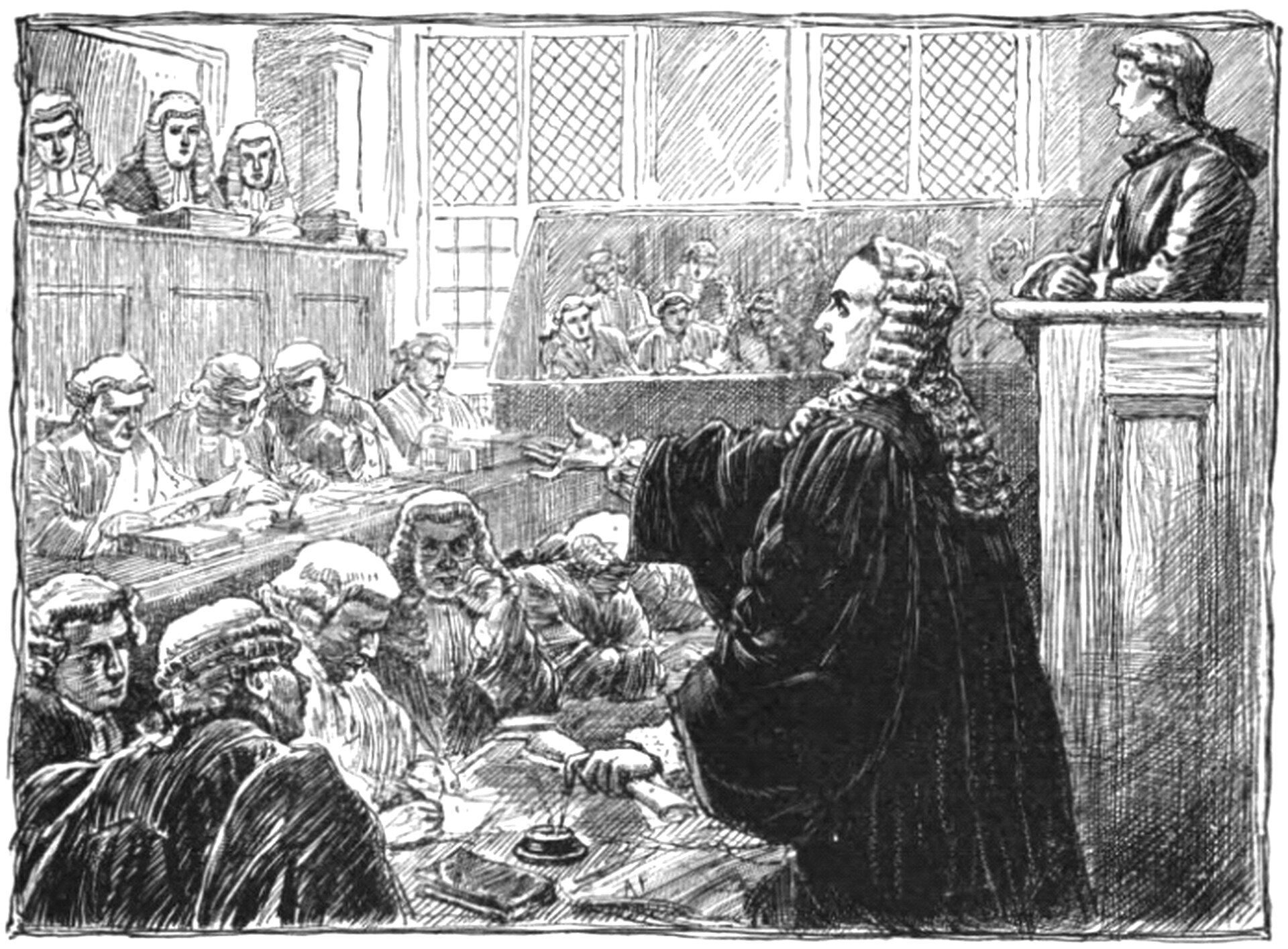
On August 5, 1735, the foundation of American press freedom was forged in a New York courtroom when a jury took just ten minutes to deliver a revolutionary verdict of not guilty — a defining act of jury nullification in colonial America. The man on trial was John Peter Zenger, a humble printer for The New York Weekly Journal, who had been imprisoned for publishing fierce criticisms of the corrupt royal governor, William Cosby. Under British common law, such criticism constituted “seditious libel,” and truth offered no protection; the doctrine notoriously held that “the greater the truth, the greater the libel.”
The true drama of the day unfolded when Zenger’s attorney, Andrew Hamilton, bypassed the judges and made a bold, direct appeal to the jury. He openly admitted that Zenger had printed the scathing articles. Instead of contesting the facts, Hamilton urged the jurors to reject the crown’s restrictive statutes entirely and embrace a radical new standard: that truth must be an absolute defense against libel. His argument invited the jury to defy the law as written and uphold a higher natural right — the right of a free people to expose government corruption.
By convincing the jury to nullify the existing law, Hamilton secured a landmark acquittal that did more than free Zenger. It established the bedrock principle that a free press must be able to speak truth to power, laying the intellectual groundwork for the First Amendment decades later.
