
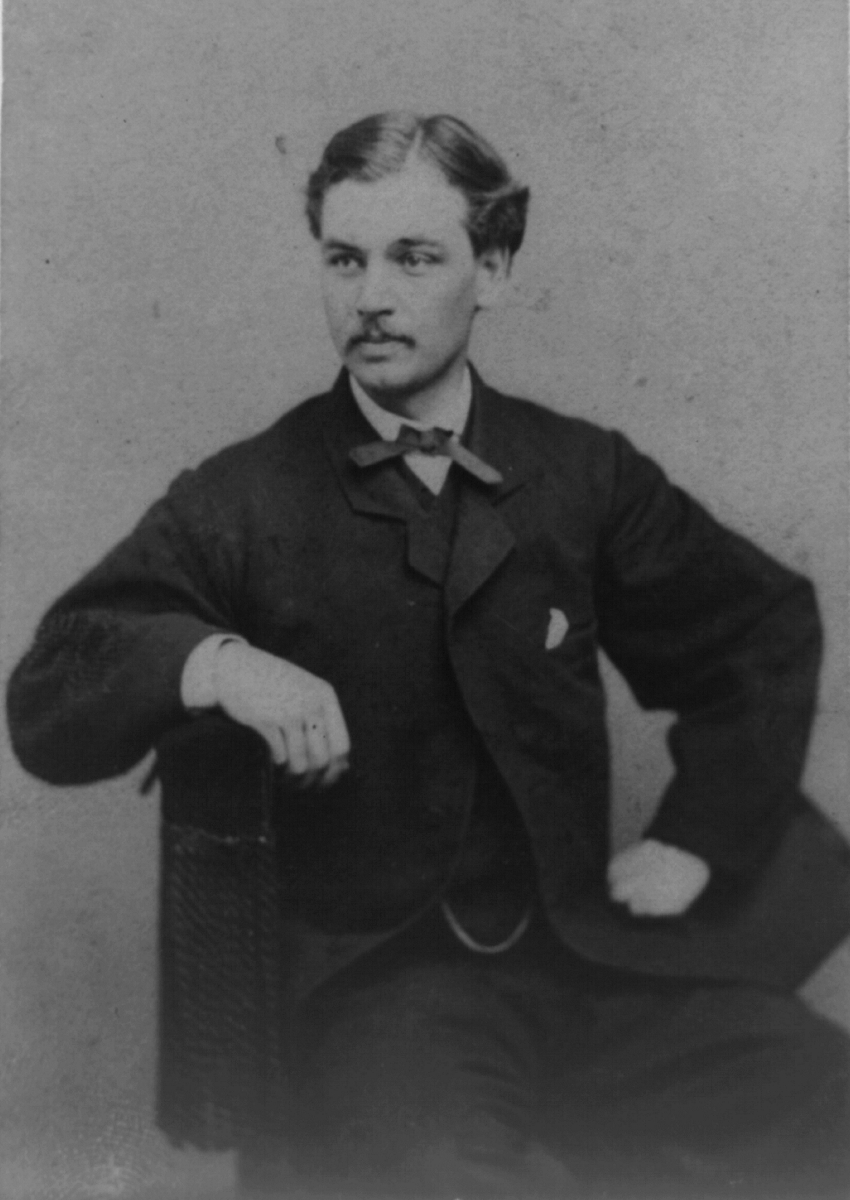
Born August 1, 1843, in Springfield, Illinois, Robert Todd Lincoln entered the world as the first son of Abraham and Mary Lincoln (their only child to survive into adulthood) and spent much of his life navigating the weight of that lineage. A Harvard-educated lawyer and a statesman who served as Secretary of War and ambassador to Great Britain, Robert often felt wanted only for his name. He was also a grieving brother, a reluctant heir to myth, and the anguished son who, in 1875, committed his mother to a sanitarium for about four months. Though Mary Todd Lincoln never forgave the act, Robert believed he was protecting her—and perhaps himself—from the unraveling grief that haunted their family. That grief deepened in 1890, when his own son, Abraham Lincoln II, died at sixteen while the family was living in London. His later years at Hildene offered refuge from public expectation, but the emotional cost of duty and legacy lingered.
A fascinating layer to Robert’s life was his bizarre, recurring proximity to presidential assassinations. Beyond the devastating loss of his own father in 1865, Robert was personally present at the train station in 1881 when President James A. Garfield was shot, and he was just outside the building at the Pan-American Exposition in 1901 when President William McKinley was assassinated. This grim coincidence weighed heavily on him, leading him to decline subsequent presidential invitations with the bittersweet joke that there was a “fatal vacancy” whenever he was around. His decision to institutionalize his mother was deeply complicated by the public trial he had to instigate under Illinois law, a public spectacle that many historians believe shattered Mary’s remaining stability and turned their relationship into a permanent tragedy.
