
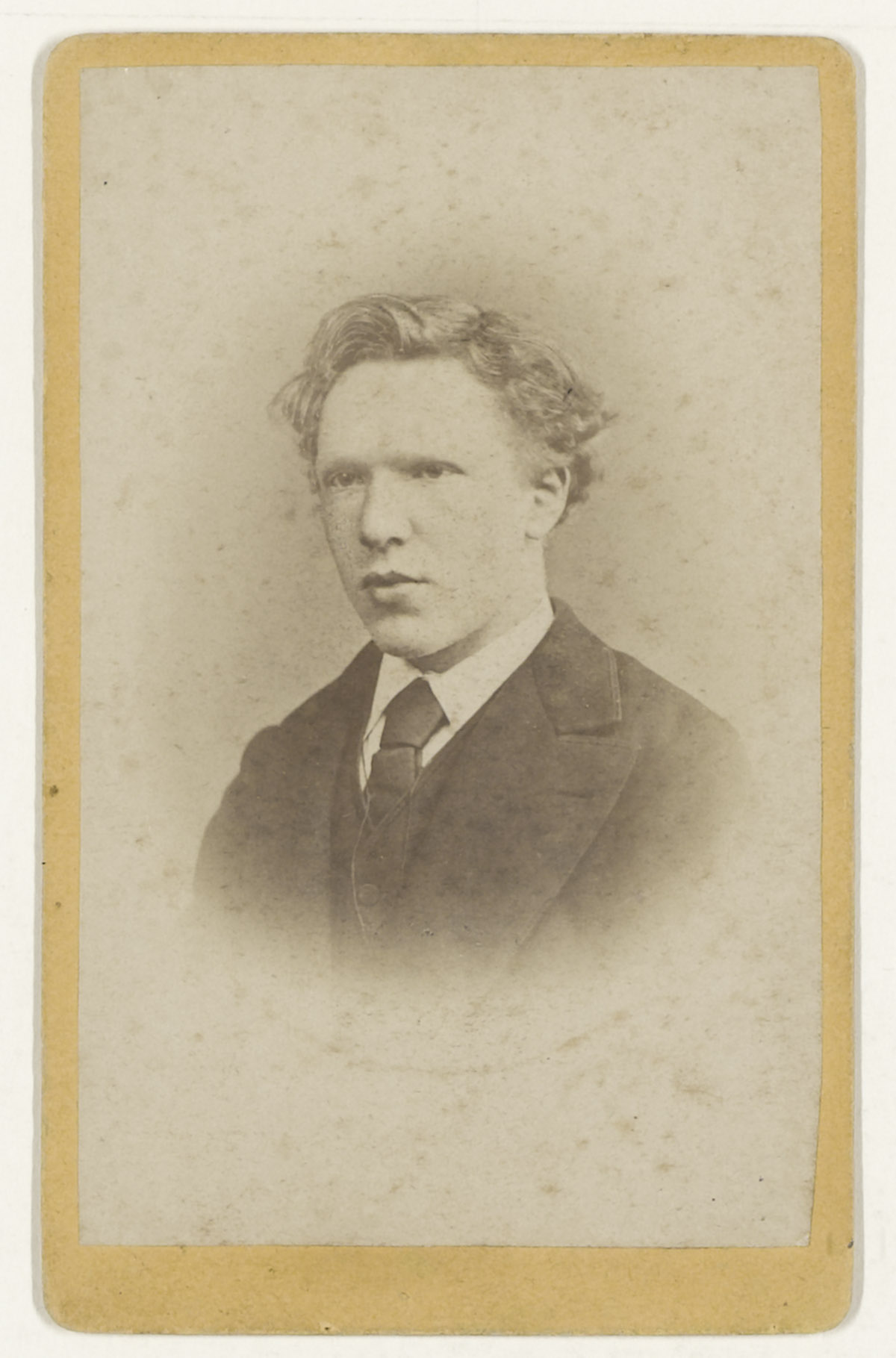
Vincent van Gogh, one of the most brilliant and tortured artists in human history, passed away in a small room at the Auberge Ravoux in Auvers-sur-Oise, France, on July 29, 1890, at the age of 37. Two days prior, he had walked into a nearby wheat field and sustained a self-inflicted gunshot wound to the chest. His devoted brother, Theo, rushed to his side, cradling the dying painter as Vincent reportedly uttered his devastating final words: “The sadness will last forever.” While his life ended in obscurity in France, his tragic death set off a slow, powerful emotional wave that would eventually reshape the landscape of American modern art.
Van Gogh’s death came at a time when he was experiencing an extraordinary burst of artistic creativity, producing some of his most vibrant masterpieces while battling severe mental health crises. At the time of his passing, he was viewed by European society as a tragic failure, having sold only a single painting. However, as his story crossed the Atlantic, early 20th-century American collectors and museums became deeply moved by the raw human vulnerability embedded in his swirling, passionate brushstrokes. Many of these works survived the Nazi era only because Allied forces—particularly U.S. Monuments Men—recovered van Gogh paintings looted from Jewish families and hidden in salt mines, ensuring that his legacy reached the very American institutions that would later protect it. The emotional weight of his life story fascinated the American public, transforming how the United States viewed the relationship between psychological suffering and creative genius.
The loss of Vincent van Gogh ultimately forged a permanent bond with American cultural institutions, which became primary guardians of his legacy. Decades after his passing, iconic American spaces like the Museum of Modern Art in New York and the Art Institute of Chicago acquired his most profound works, ensuring that his deeply personal struggle was preserved for millions of viewers. Vincent’s tragic end transformed him into the ultimate symbol of the misunderstood artist, proving to American audiences that the art which brings immense beauty and comfort to the world is often forged in the crucible of profound personal suffering.
