
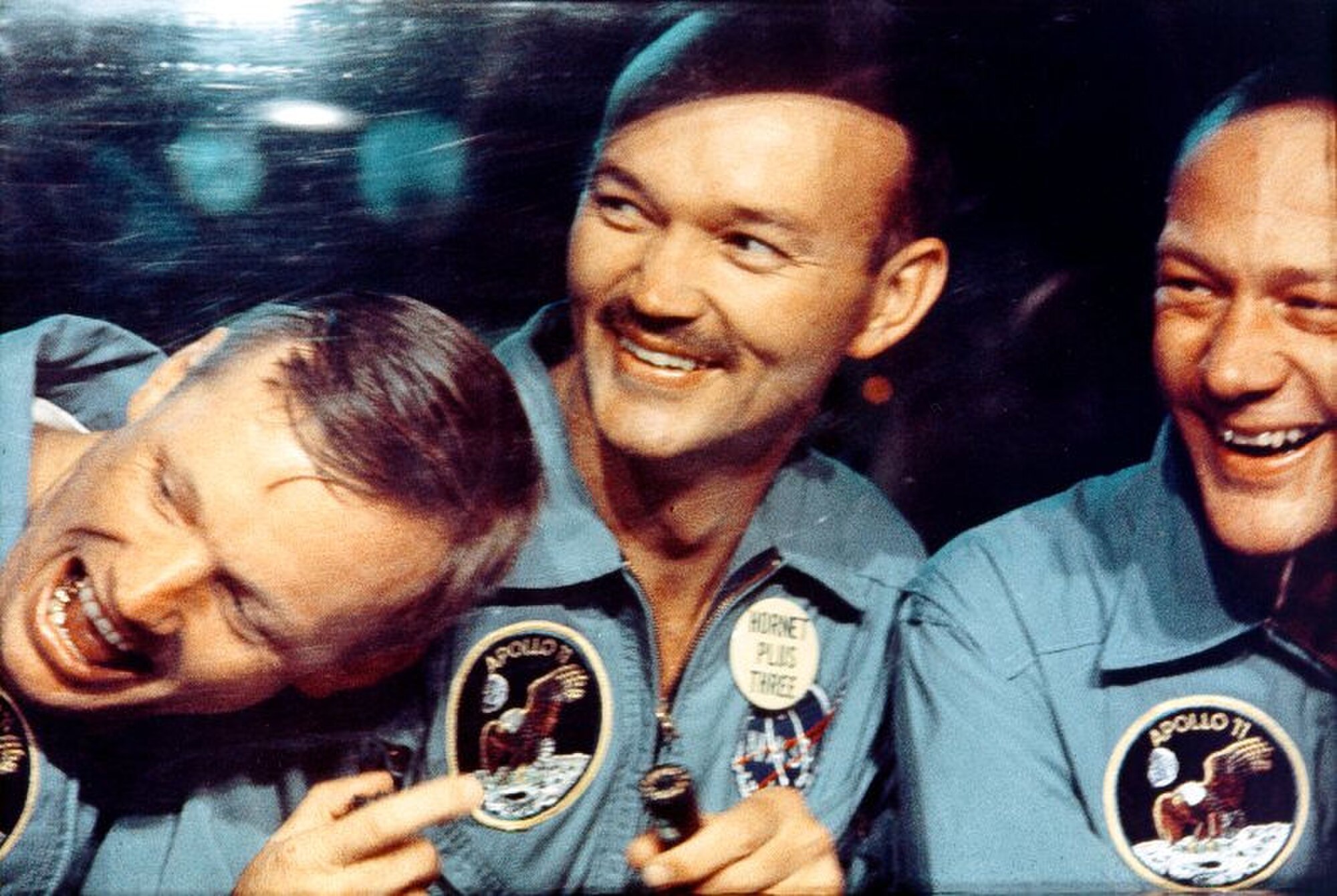
On July 24, 1969, the Apollo 11 astronauts — Neil Armstrong, Buzz Aldrin, and Michael Collins — were recovered from the Pacific Ocean and placed inside NASA’s Mobile Quarantine Facility aboard the USS Hornet. The world’s greatest technological triumph was followed not by parades but by isolation. Through the small window of the sealed trailer, the astronauts waved to President Nixon and the recovery crew, beginning a 21‑day quarantine designed to protect Earth from hypothetical lunar microbes.
The irony of the quarantine was its logistical absurdity. Moments after splashdown, recovery frogmen opened the command module’s hatch to hand the astronauts their biological isolation suits, exposing the capsule’s interior to open ocean air. The quarantine became less a scientific necessity and more a psychological ritual — a way to reassure a nervous global public that humanity could touch the moon without contaminating the Earth. The window of the MQF remains one of the most surreal images of the space age.
