
On July 24, 1777, George Washington established his temporary Continental headquarters at Ramapo, New York, after spending a cramped night at Galloway’s old log house — a night that revealed the human texture of command. Washington slept in the only proper bed while his devoted “military family” of aides lay crowded together on the hard floor around him, a testament to the loyalty and sacrifice that sustained him through the war’s most uncertain moments. It was at Ramapo that scouts delivered an intercepted letter from British General William Howe to General John Burgoyne. On its surface, the message announced Howe’s intention to sail eastward, a move that would have relieved pressure on Washington’s defenses. But Washington, exhausted yet sharply attuned to Howe’s patterns, sensed deception immediately. After weeks of contradictory intelligence and agonizing strategic confusion, he trusted his instincts and correctly deduced that Howe’s true objective was the American capital of Philadelphia. His swift order sending two divisions south prevented the Continental Army from being drawn away from the Hudson Valley and preserved the fragile lifeline of the rebellion.
The deeper significance of this moment lies in Washington’s psychological state. For weeks, he had been tormented by the fear that Howe was baiting him into abandoning the Hudson River corridor — the most vulnerable artery of the American cause. If Washington misread Howe’s intentions, the British could sever New England from the rest of the colonies and crush the rebellion in a single stroke. By interpreting the hidden meaning in Howe’s correspondence, Washington transformed a moment of near‑paralyzing doubt into a masterstroke of counter‑espionage. His clarity at Ramapo stands as one of the most important intelligence victories of the war, a moment when the Revolution’s survival hinged not on battlefield maneuvers but on Washington’s ability to read the enemy’s mind. In the cramped space of a frontier headquarters, he turned strategic blindness into insight — proving once again that the fate of the rebellion often rested on the internal calculations of its commander.
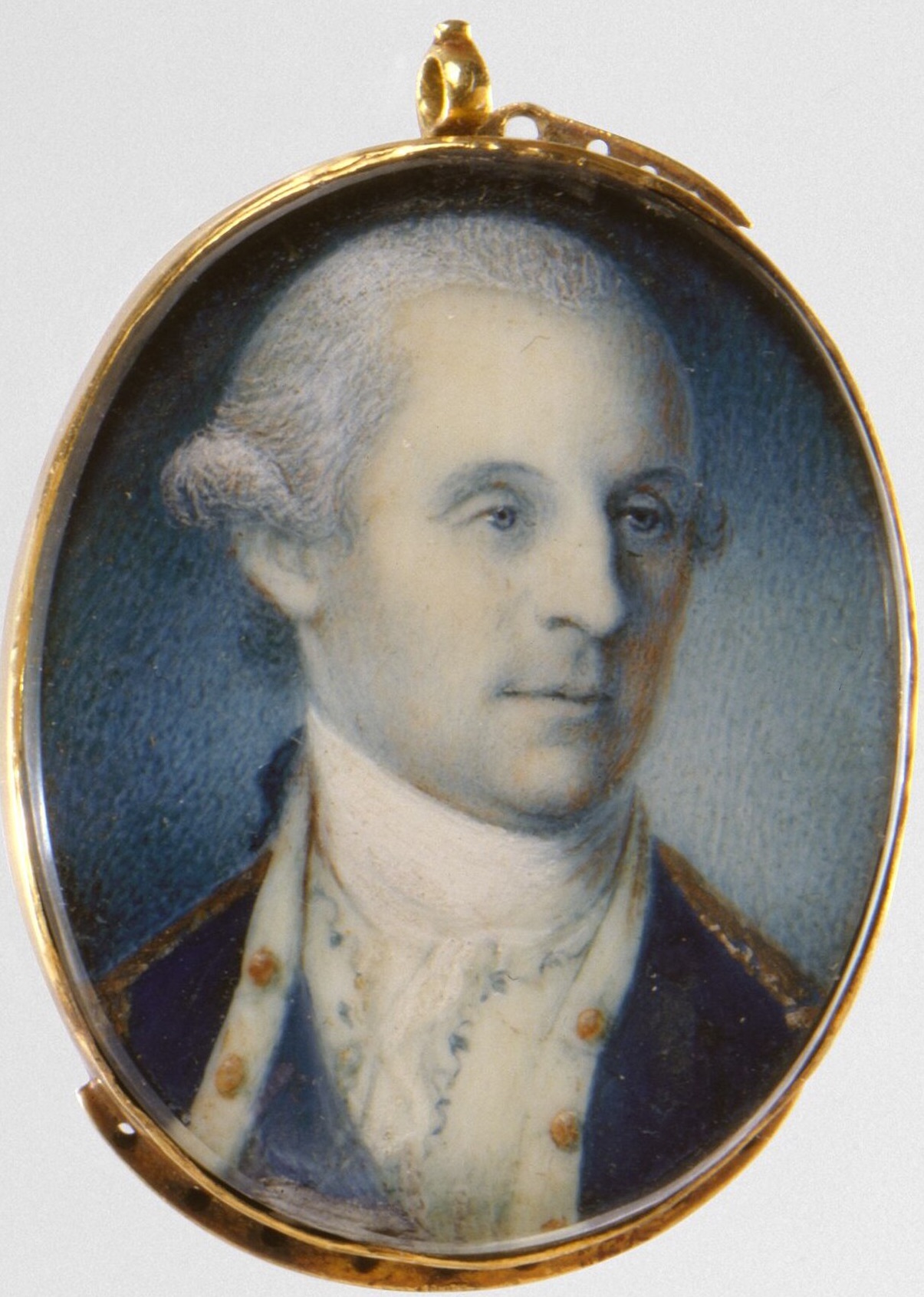
Image: George Washington
This c. 1777 portrait miniature of General George Washington was painted by iconic American artist Charles Willson Peale during the absolute height of the Revolutionary War campaigns. Rendered meticulously in watercolor on ivory and housed within an intimate, gold-rimmed locket casing measuring just 1.5 inches in height, these rare tokens were intended to be kept close to the body as deeply personal family keepsakes. The miniature offers a rare, contemporary glimpse into the features of the Commander-in-Chief during a defining year of strategic pivots, near-paralyzing doubts, and internal calculations.
