
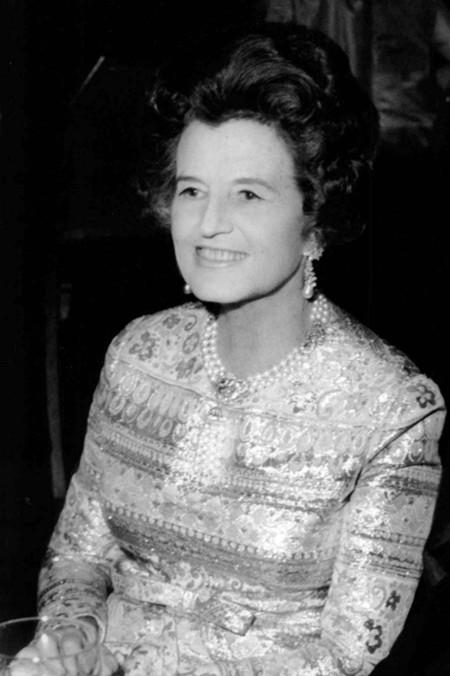
Rose Fitzgerald Kennedy, born on July 22, 1890, is frequently remembered through the clinical lens of political ambition—the stern, meticulously organized matriarch who engineered a dynasty from a Boston home. She cataloged her children’s medical records on index cards and enforced strict schedules, iron-milling them for public service. Yet, her recognition by the Pope in the early 1950s as a papal countess pointed to a quiet, parallel life spent navigating deep personal tragedies through silent, philanthropic devotion.
The private anchor of Rose’s profound charitable work was her eldest daughter, Rosemary, who was left permanently incapacitated following a catastrophic, secretive lobotomy in 1941. Driven by a complex mix of intense maternal grief and institutional guilt, Rose poured her immense energy into funding and championing organizations for the intellectually disabled. The public accolades from Rome shielded a deeply personal penance; her global altruism was a quiet monument to the daughter who had been hidden away from the world.
