
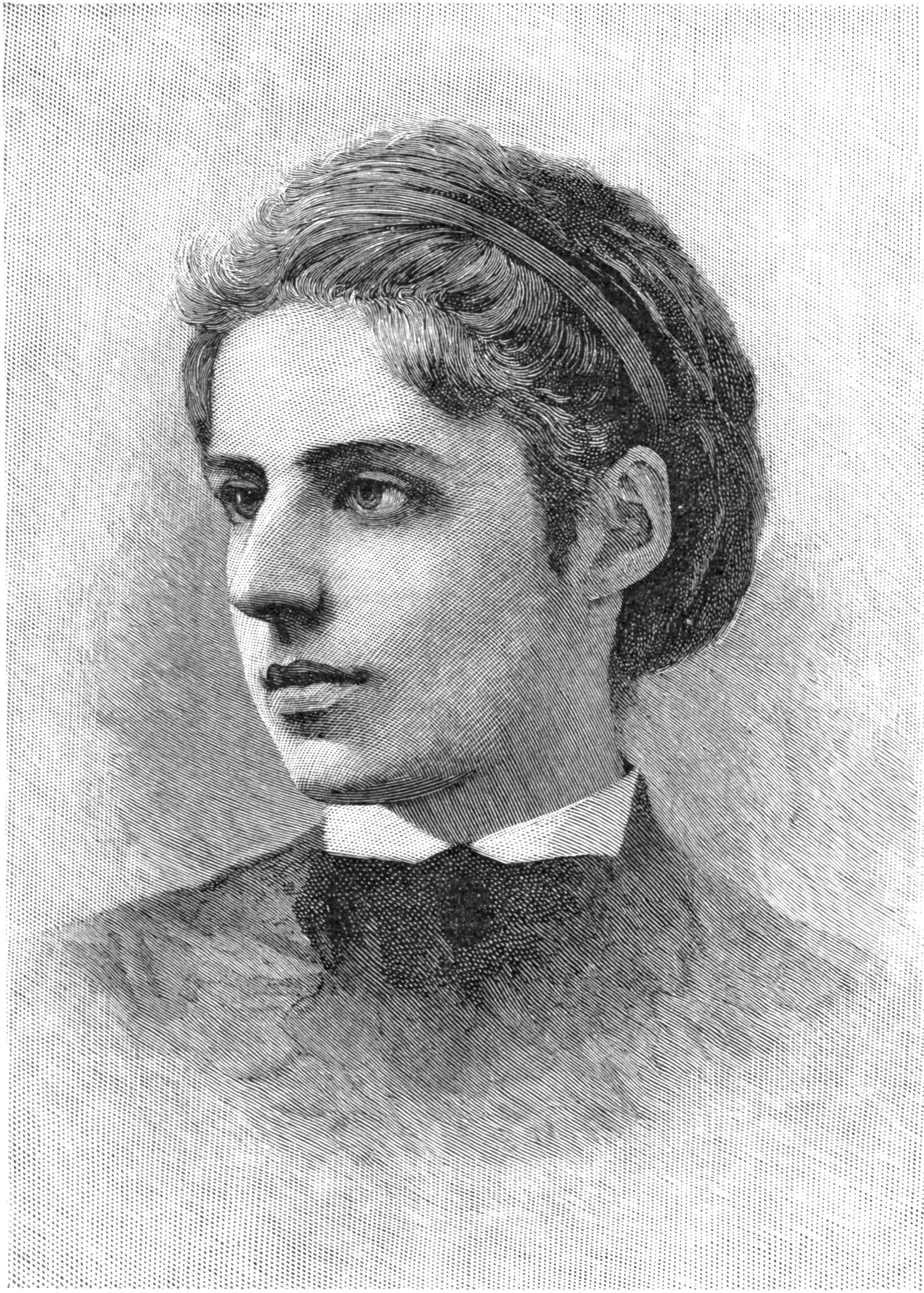
Born on July 22, 1849, Emma Lazarus grew up in a comfortable New York household, yet her early writing developed against the backdrop of the Civil War. As a young poet, she absorbed the national debate over slavery and emancipation—forces that shaped her enduring concern for human suffering and social justice. Her literary voice emerged in step with the era’s moral upheaval.
That vision found its fullest expression in “The New Colossus,” the 1883 sonnet she wrote to support the Statue of Liberty’s pedestal fund. While the statue’s French designers imagined a symbol of republican virtue, Lazarus recast it as a beacon for immigrants and refugees. Her “Mother of Exiles” transformed the monument’s meaning, giving it a humanitarian voice that still resonates today.
