
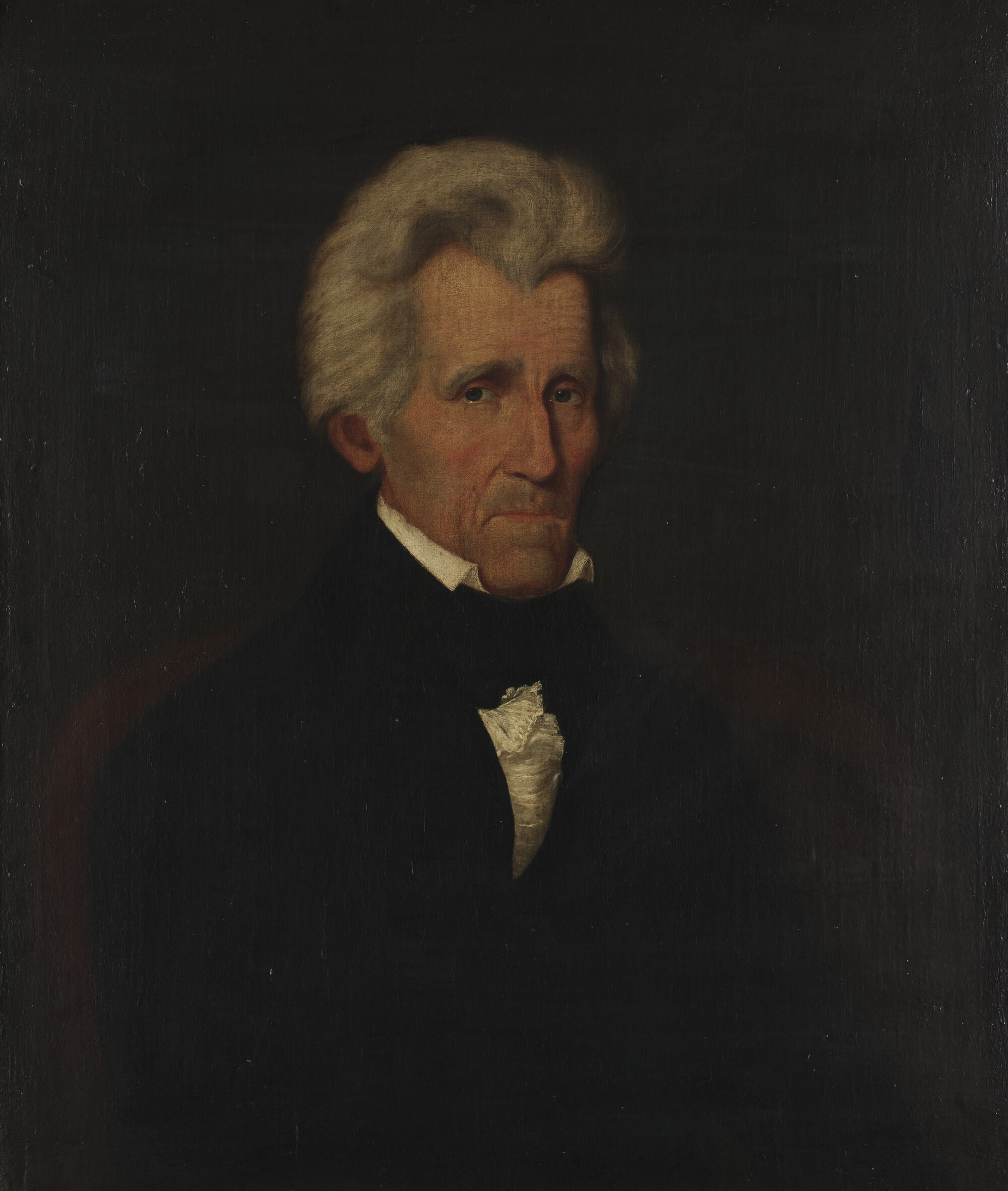
On July 10, 1832, President Andrew Jackson fundamentally transformed American economic policy by officially vetoing the re-charter of the Second Bank of the United States. Jackson declared the immensely powerful financial institution a direct threat to democratic governance and economic fairness. He openly sided with everyday citizens who strongly felt the bank’s monopolistic grip exclusively served a wealthy, well-connected elite class.
This bold executive action permanently reoriented federal power away from entrenched financial institutions and toward the populist ideals of the era. The political fallout from the veto solidified a lasting ideological divide over corporate influence in American democracy. It remains a definitive turning point that reshaped the nation’s financial systems for generations.
Image via Wikimedia Commons, public domain
