
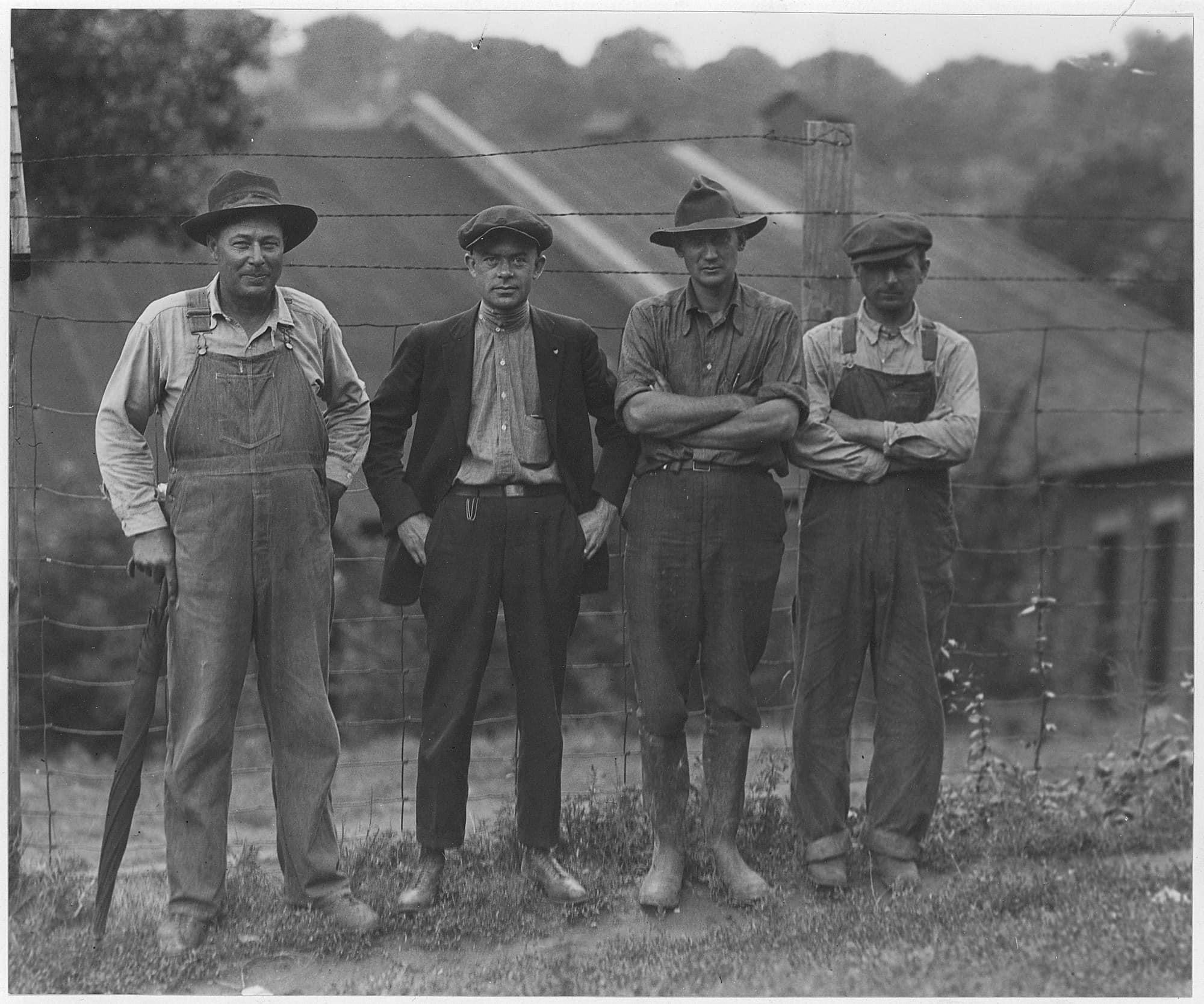
On July 1, 1922, nearly 400,000 railroad shopmen across the United States walked off the job, launching one of the largest labor actions in American history. The strike erupted in response to a Railroad Labor Board ruling that slashed wages by more than ten percent—a severe blow to workers already strained by the post–World War I economy. From major industrial hubs to smaller yards like the Burlington shops in Plattsmouth, Nebraska, repair crews refused to service locomotives or railcars, crippling the nation’s transportation network and threatening to bring American commerce to a halt.
The confrontation escalated rapidly as railroad executives hired thousands of replacement workers and deployed private guards, detectives, and deputized security forces to keep trains moving. Violence flared across the Midwest and South, prompting the federal government to issue a sweeping injunction that sharply restricted picketing and union activity. These combined pressures fractured the strike by late summer, weakening the shopmen’s bargaining power even as pockets of resistance held on into early autumn. The strike’s collapse pushed railroad unions toward a new strategy—shifting from mass walkouts to sustained political lobbying—which helped lay the groundwork for the Railway Labor Act of 1926, the landmark legislation that finally established a federal framework for collective bargaining in the rail industry.
