
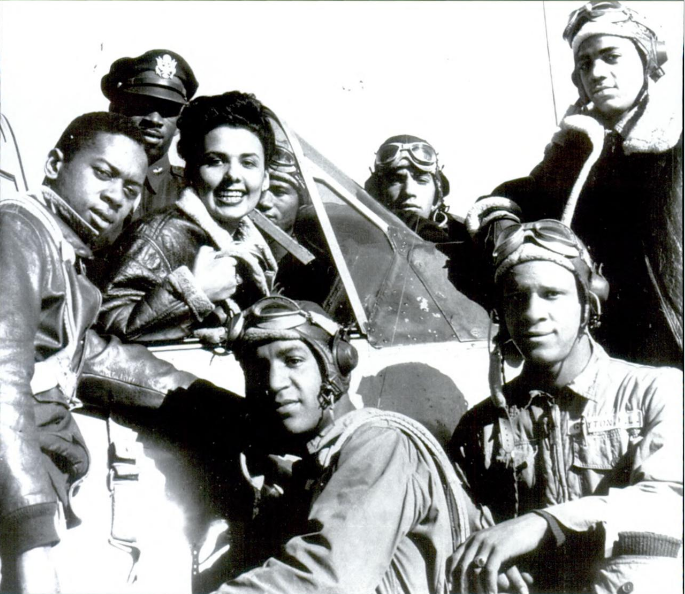
A future icon of American music, cinema, and civil rights activism was born in the Bedford-Stuyvesant neighborhood of Brooklyn, New York, on June 30, 1917, with the arrival of Lena Mary Calhoun Horne. Blessed with extraordinary vocal talent and striking beauty, Horne began her career in the chorus line of Harlem’s legendary Cotton Club before breaking barriers as one of the first African American women to sign a long-term contract with a major Hollywood studio. Despite her immense commercial success, she faced relentless, systemic racial prejudice in a deeply segregated entertainment industry, where her scenes were frequently edited out of films shown in Southern theaters.
The true emotional depth of Horne’s legacy lay in her fierce, unyielding refusal to compromise her personal dignity for commercial fame. During World War II, she used her global celebrity to advocate passionately for black servicemen, famously refusing to perform for segregated military audiences where German prisoners of war were seated ahead of African American soldiers. Her lifelong dedication to justice saw her stand on the front lines of the civil rights movement, marching alongside Medgar Evers and performing at the historic March on Washington. Her birth on this date introduced a resilient, elegant spirit who spent a lifetime using the power of song and the weapon of defiance to demand equality for all Americans.
Image: Members of the Tuskegee Airmen with Lena Horne in the 1940s via Wikimedia Commons, public domain
