
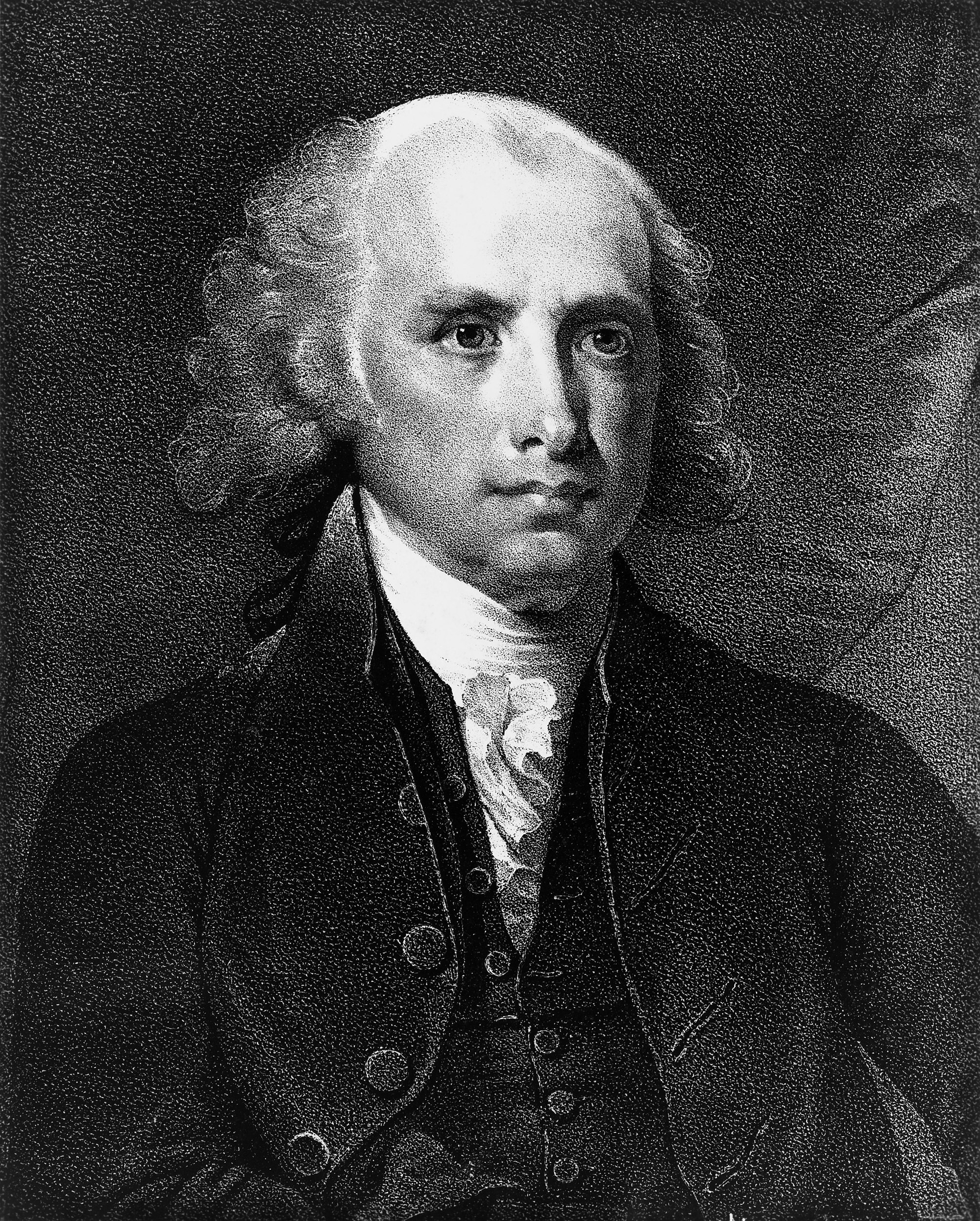
At his Montpelier plantation in Virginia, eighty‑five‑year‑old James Madison took his final breath on June 28, 1836, closing a monumental chapter in American history. As the primary architect of the U.S. Constitution and the nation’s fourth president, Madison had spent his long life wrestling with the intricate mechanics of governance, human nature, and law. On his final morning, when a niece noticed a sudden physical shift and gently asked what was wrong, the frail statesman offered a faint, reassuring smile and replied with his last recorded words: “Nothing more than a change of mind, my dear.”
Madison’s passing carried a profound symbolic weight. He was the last surviving signer of the U.S. Constitution, the final living link to the men who gathered in Philadelphia in 1787 to forge the framework of the American republic. He had outlived Washington, Adams, Jefferson, and Hamilton, carrying into old age the memories of the founding generation and the fragile experiment they launched.
His serene exit — marked by a mind still alert, playful, and reflective — was a fitting farewell from a thinker who believed that reason, inquiry, and an ever‑evolving mind were the surest guardians of human liberty.
