
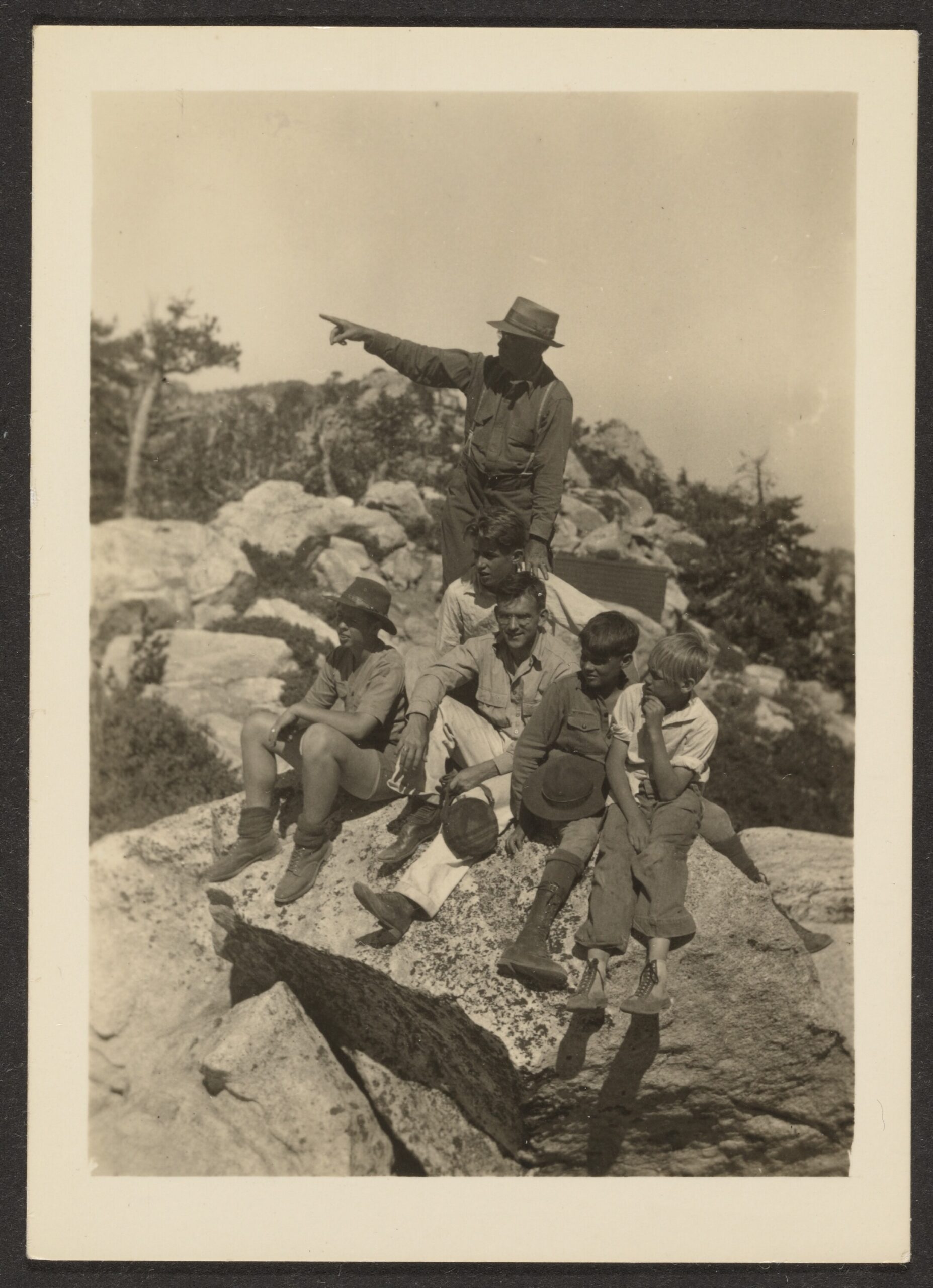
On June 25, 1932, pictorialist photographer Louis Fleckenstein captured a haunting study of Tahquitz Peak, the jagged sentinel of the San Jacinto Mountains. His soft‑focus composition emphasized the mountain’s steep, shadowed face—long associated in Luiseño tradition with a powerful spirit said to inhabit the crags.
At a time when California’s wilderness was being rapidly carved into roads, resorts, and recreation sites, Fleckenstein’s image offered a counter‑vision. It preserved the landscape not as real estate but as a place of mythic gravity, where Indigenous memory and American art briefly aligned to honor the mountain’s ancient presence.
