
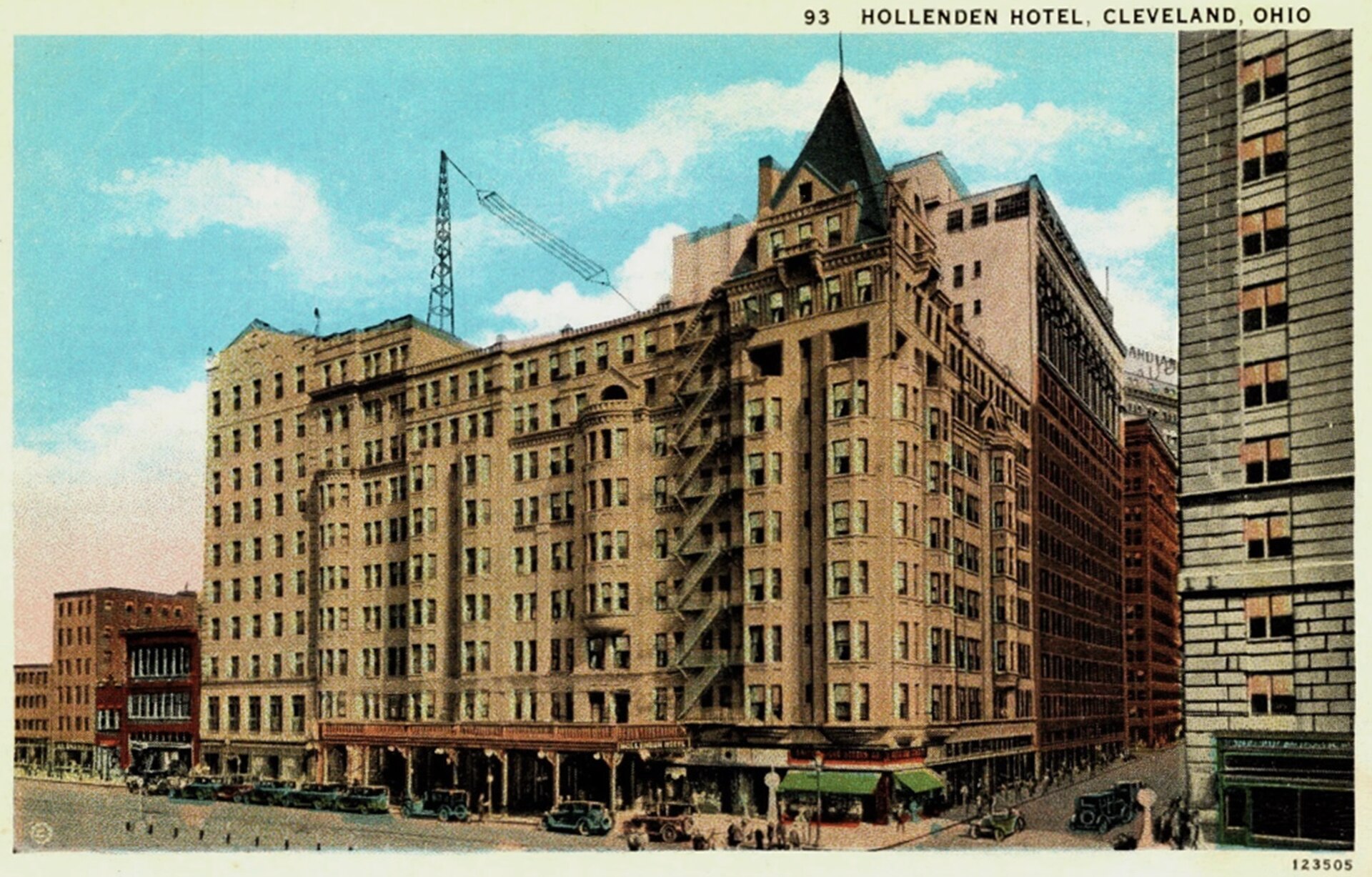
On June 24, 1922, the chaotic landscape of early American sports was permanently reshaped when team owners met in Cleveland’s Hollenden Hotel (shown) and voted to officially rename the American Professional Football Association to the National Football League (NFL). During this pivotal meeting, executives from more than twenty franchises sought to bring organizational order to a sport plagued by shifting rosters and financial instability. Among their most drastic regulatory decisions that day was a strict ban on active college players, preventing them from secretly moonlighting for professional teams on weekends.
This institutional rebrand was a calculated effort to elevate professional football out of the shadow of the highly popular collegiate game, which was widely viewed as more reputable and prestigious. By establishing a unified corporate identity and enforcing rigid eligibility standards, the league laid the structural foundation necessary to cultivate a loyal, mainstream fanbase. This administrative pivot began the slow evolution of professional football from a localized, working‑class sideshow into America’s dominant billion‑dollar entertainment conglomerate.
