
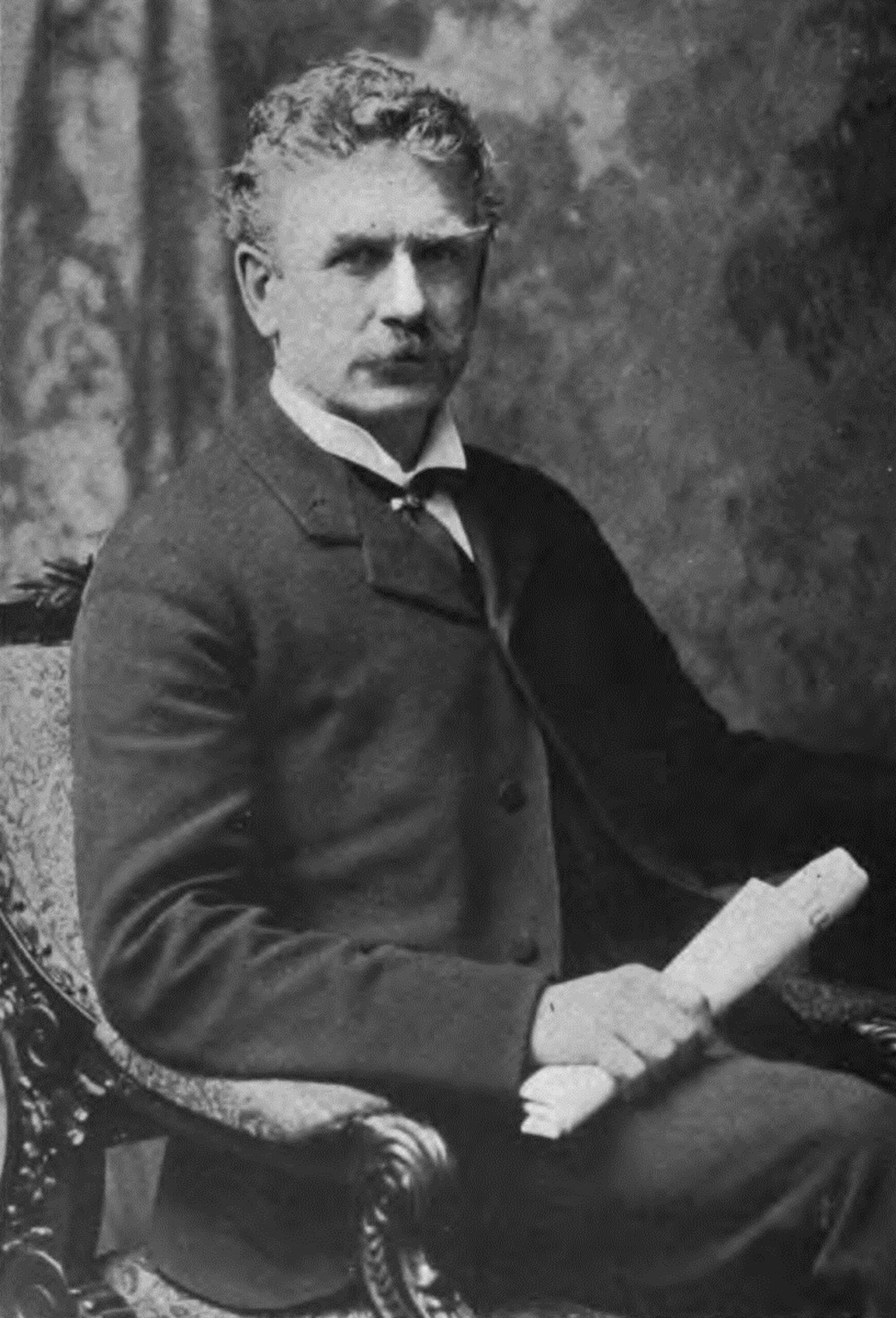
Born on June 24, 1842, in Meigs County, Ohio, Ambrose Bierce carried the psychological scars of the American Civil War throughout his entire literary career. Having served bravely as a Union topographical engineer, Bierce bore firsthand witness to industrial‑scale slaughter, most notably at the Battle of Shiloh. His later autobiographical account, What I Saw at Shiloh, completely rejected the romanticized, glorious mythology of warfare that dominated late nineteenth‑century literature.
Bierce’s harrowing depiction of field hospitals as endless, recycling engines of life and death offered a brutal, unfiltered look at the realities of combat. By describing tents that were constantly receiving the wounded yet never full, and continuously ejecting the dead yet never empty, he highlighted the grim efficiency of modern military bureaucracy. His stark realism forced a sentimental public to confront the true human cost of preservation, cementing his reputation as one of America’s finest, most cynical war chroniclers.
