
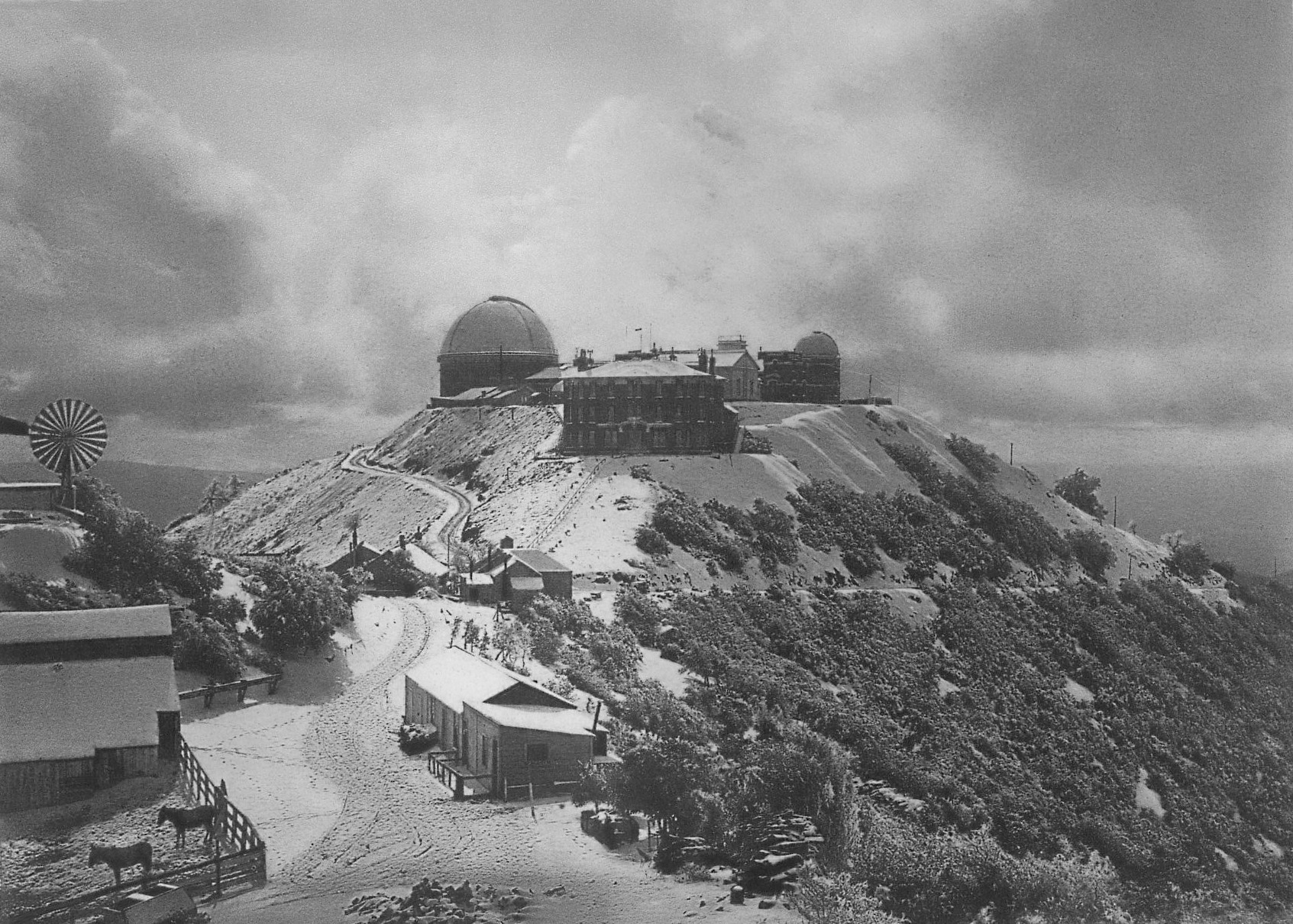
On June 23, 1904, Ohio-born astronomer William Hussey made a monumental scientific announcement from the high-altitude Lick Observatory on Mount Hamilton near San Jose, California. Hussey revealed that he had successfully discovered and cataloged an additional one hundred double stars. His meticulous observations added vital data to the global scientific community’s evolving understanding of stellar mechanics and deep-space geometry.
Hussey’s grueling nighttime work on the mountain helped revolutionize our understanding of how galaxies are formed. Double stars—or binary systems—provide astronomers with the unique, essential data needed to calculate the actual mass of distant stars by measuring how they gravitationally pull on one another. By pushing the massive 36-inch Lick refracting telescope to its absolute limits, Hussey’s discoveries proved that binary star systems were incredibly common throughout the universe rather than rare anomalies.
