
– June 22, 1970 –
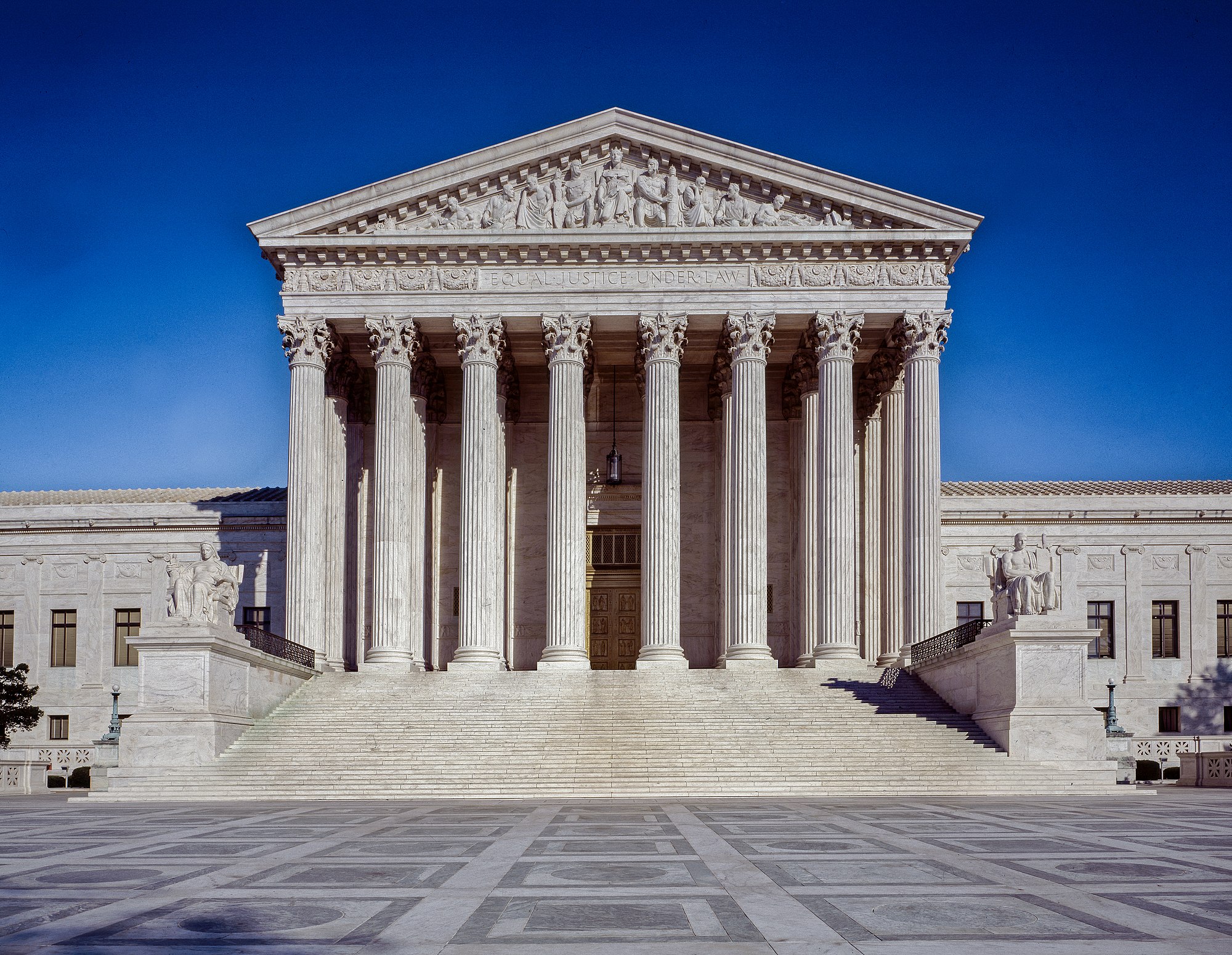
In the historic case Williams v. Florida, the U.S. Supreme Court completely upended centuries of legal tradition by declaring that the Sixth Amendment does not require a criminal trial jury to consist of exactly 12 people. The justices argued that the specific number 12 was a historical accident of English common law rather than a constitutional necessity. As long as a state-mandated jury is large enough to promote group deliberation and provide a safeguard against government oppression, smaller panels are perfectly valid.
This ruling opened the floodgates for states to experiment with six- and eight-member juries to save time and administrative costs. However, modern psychological studies have added a layered twist to this judicial experiment, revealing that smaller juries are statistically less diverse and more prone to groupthink. While the court sought administrative efficiency, the decision inadvertently sparked a decades-long debate over whether smaller panels truly preserve the robust “common-sense judgment” the justices intended.
Image via Wikimedia Commons, public domain