
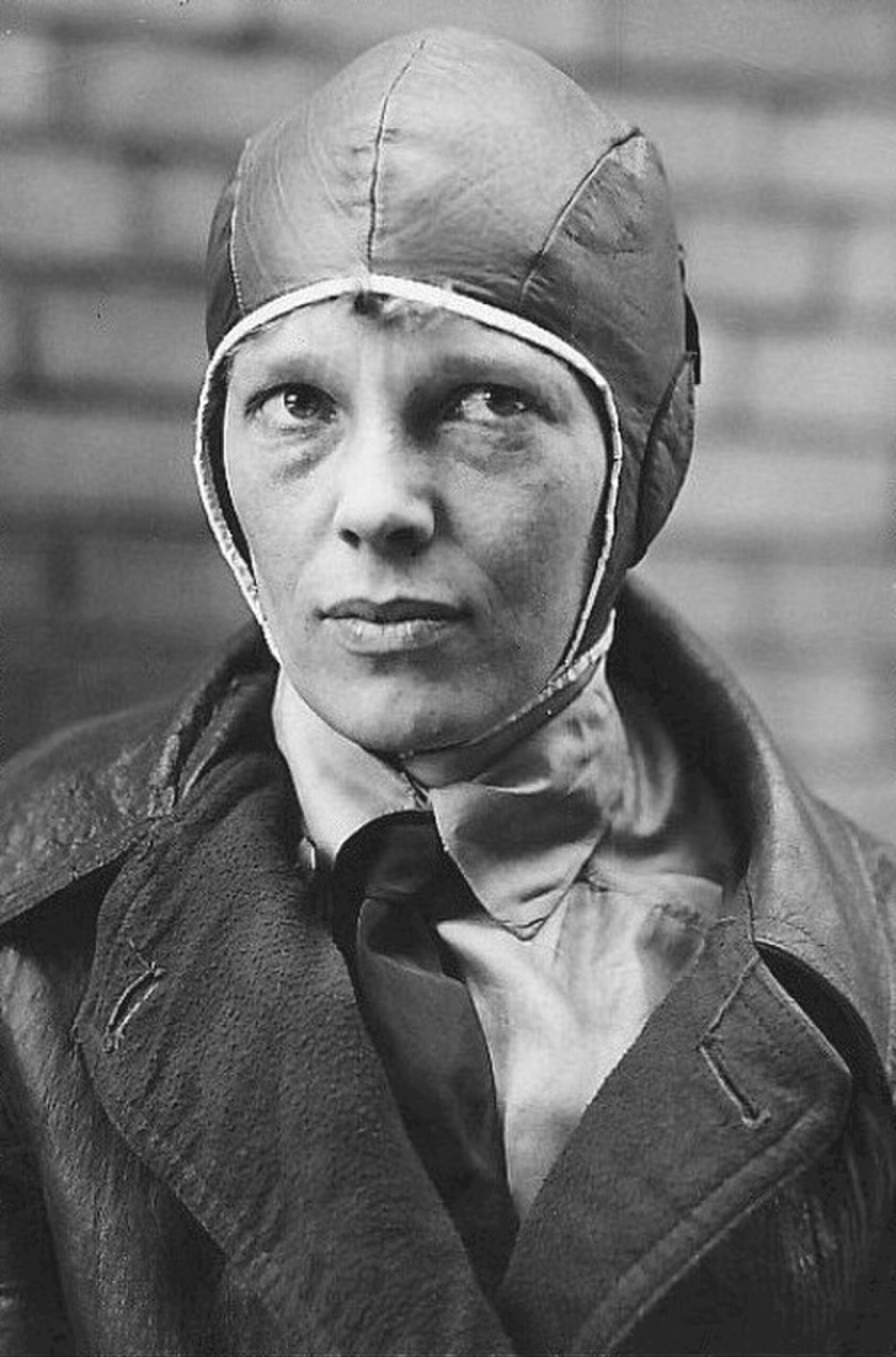
A Reluctant Passenger Prepares to Take the Wheel
On June 17, 1928, Amelia Earhart stood on the rugged shores of Trepassey Harbor, Newfoundland, wrapped in a heavy flight suit as she boarded a three-engine Fokker seaplane named Friendship. While countless women had safely crossed the volatile North Atlantic by passenger ship over the centuries, no woman had ever survived the journey by air. When the roaring aircraft lifted off the water into the freezing fog that afternoon, Earhart stepped into a completely uncharted frontier of human endurance, forever altering the landscape of early aviation.
The deep historical irony of this June 17 flight was the private frustration that fueled it from the cargo cabin. Because the plane’s financial backers insisted the flight was too dangerous for a woman to pilot, Earhart spent the multi-day journey sitting silently in the back keeping the logbook, while male pilots Wilmer Stultz and Louis Gordon manned the controls. Privately equating her celebrated role to a “sack of potatoes,” the emotional weight of being a mere passenger on her own historic milestone catalyzed a fierce, lifelong determination; it gave her the exact clout and corporate backing she needed to return to the cockpit and eventually conquer the Atlantic completely solo four years later.
