
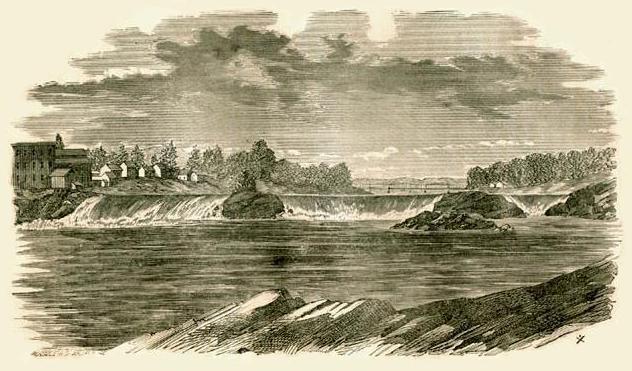
On June 16, 1632, European settler Thomas Purchase and his brother-in-law secured a formal land grant from the council of the Plymouth Company to establish a permanent logging and fishing settlement at Pejepscot in present-day Brunswick, Maine. Situated along the fertile, rushing waters of the Androscoggin River, the strategic land grant was designed to tap into the lucrative fur trade and timber markets of the northern Atlantic coast. This legislative grant provided the legal framework for English colonization in a region that European merchants viewed entirely as an unexploited wilderness ripe for commercial development.
However, the lands of Pejepscot were far from empty, having served for centuries as a vital ancestral home and hunting ground for the native Wabanaki Tribe, who utilized sophisticated birchbark canoes to navigate the complex river networks. The arrival of Purchase and the subsequent expansion of English farms created an immediate, deep cultural friction over land ownership and resource management, as the settlers constructed permanent fences and dams that blocked traditional fishing routes. This initial land transaction initiated decades of escalating border disputes and violent conflicts that ultimately devastated local indigenous communities and permanently altered the ecology of the Maine frontier.
