
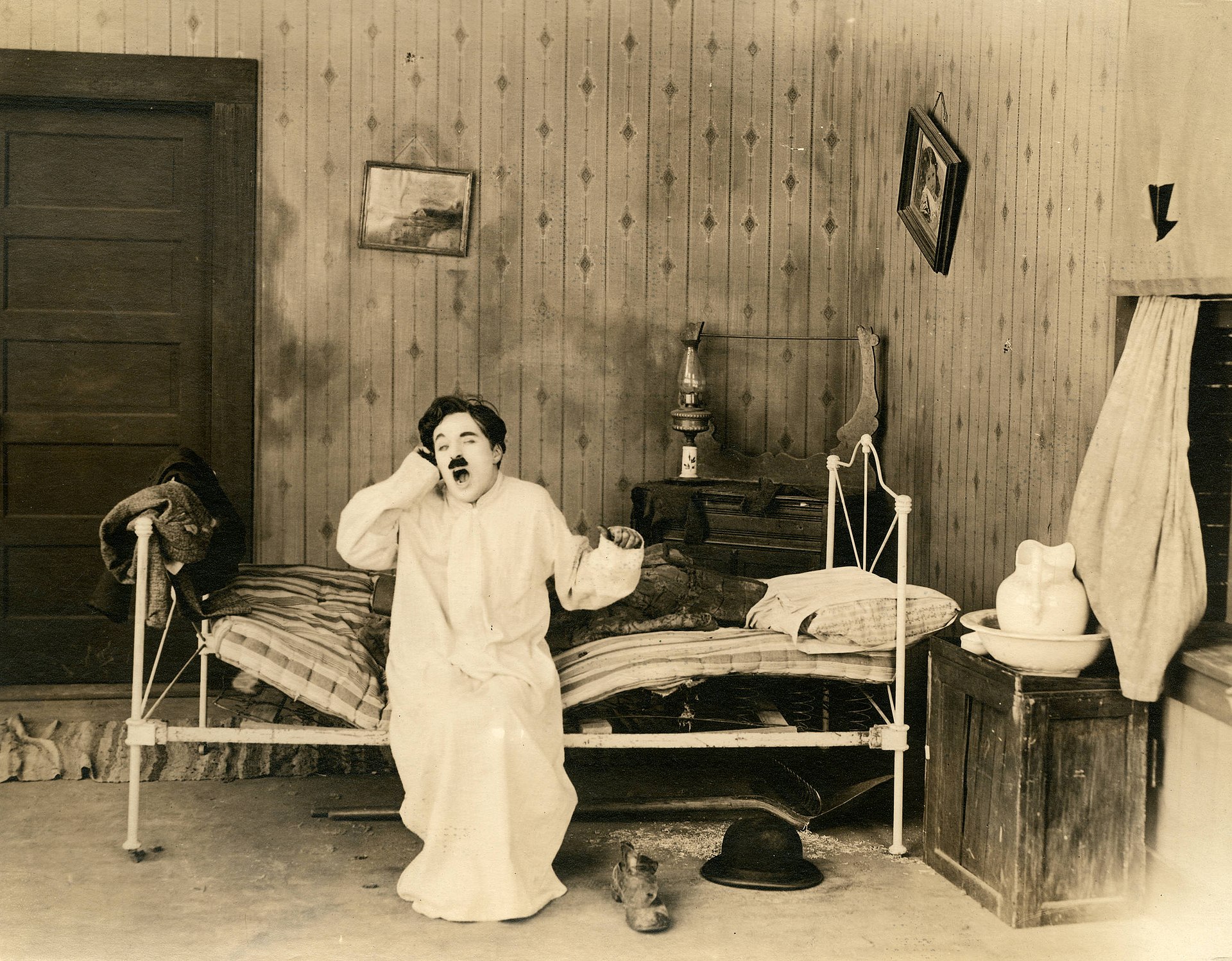
On June 15, 1919, cinematic pioneer Charlie Chaplin released Sunnyside, a unique thirty-four-minute silent short film that he meticulously wrote, directed, edited, and starred in for First National Pictures. Shifting away from the bustling urban backdrops that defined his earlier work, Chaplin set the satirical comedy in a sleepy, rural country village, casting himself as a hardworking, heavily abused hotel clerk navigating the eccentricities of small-town life. The film famously featured his frequent on-screen collaborator Edna Purviance as his rustic love interest, balancing broad slapstick humor with a delicate, pastoral romance.
The production of the short film occurred during a period of intense creative transition and immense pressure for Chaplin, who was struggling to fulfill his studio contract while simultaneously planning the creation of United Artists. The movie featured one of Chaplin’s most celebrated and visually inventive dream sequences, where his iconic Little Tramp character dances gracefully across a sunlit meadow alongside a group of woodland nymphs. While contemporary critics were initially divided by the film’s slower, more melancholic pacing, Sunnyside stands as an important, experimental milestone that demonstrated Chaplin’s growing desire to infuse his signature comedy with deeper social commentary and poetic storytelling.
