
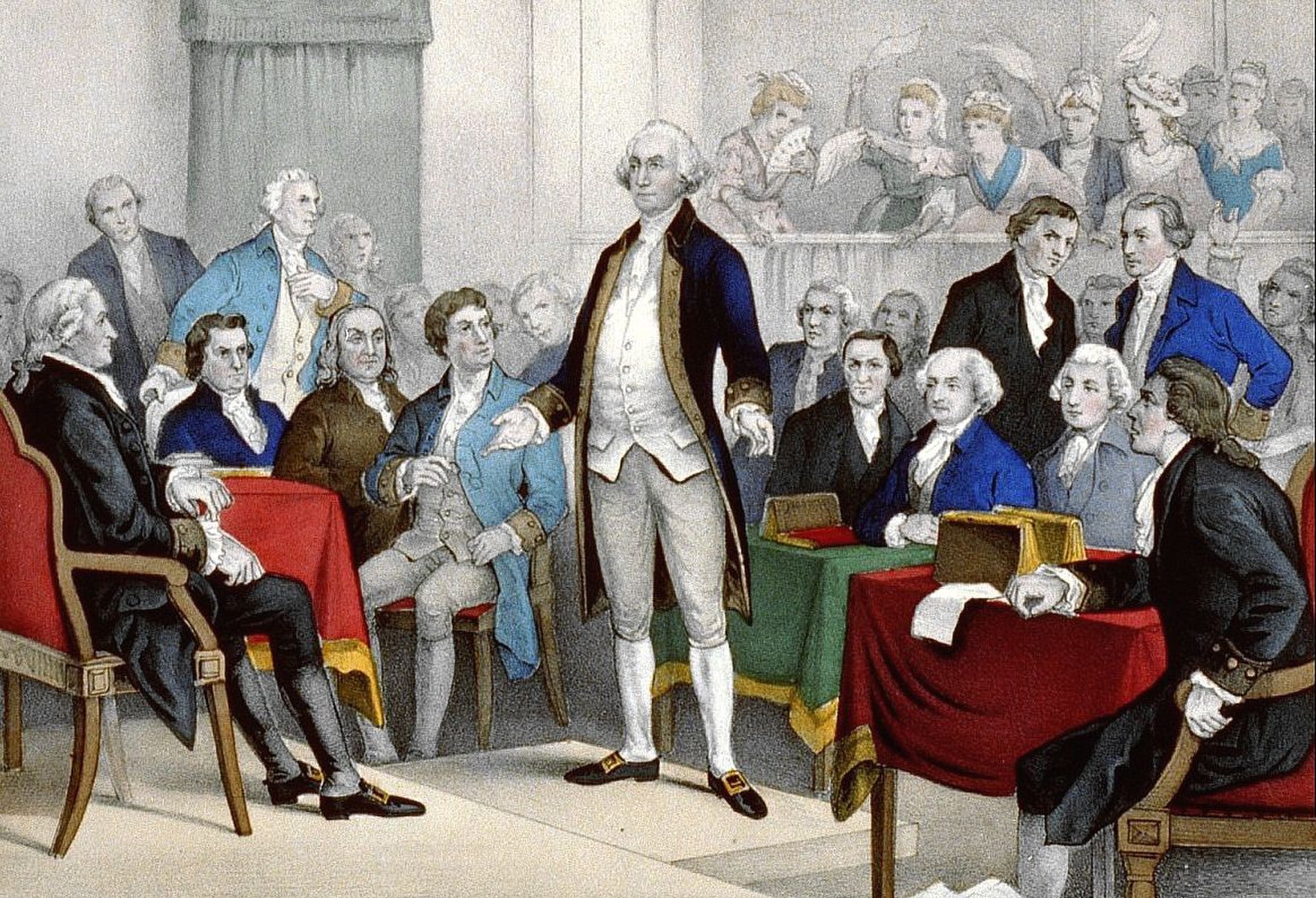
On June 15, 1775, the Continental Congress taken a monumental step toward open rebellion by unanimously electing George Washington as the commander in chief of the newly formed Continental Army. Recognizing the urgent need to unite the colonies behind the localized conflict brewing in Massachusetts, delegates like John Adams championed the Virginian colonel for his wealth, political stature, and critical military experience from the French and Indian War. Washington accepted the enormous commission with characteristic humility, famously refusing to take a salary for his service and requesting only that Congress cover his actual field expenses.
This historic appointment transformed a disorganized collection of regional New England militias into a unified national force capable of challenging the professional might of the British Empire. Washington departed for Boston just days later, embarking on an arduous eight-year campaign that would test his strategic endurance through devastating winter encampments and obitter defeats. By serving as the physical embodiment of the revolutionary cause, his steady leadership and commitment to civilian governance ultimately secured American independence and laid the foundation for the republic he would later lead as its first president.
