
Before the United States had a constitution, a president, or even a formal declaration of independence, it had an army. On June 14, 1775, the Second Continental Congress voted to bring the New England militias besieging Boston under a single Continental command. What had begun as scattered provincial forces suddenly became the embryo of a national army.
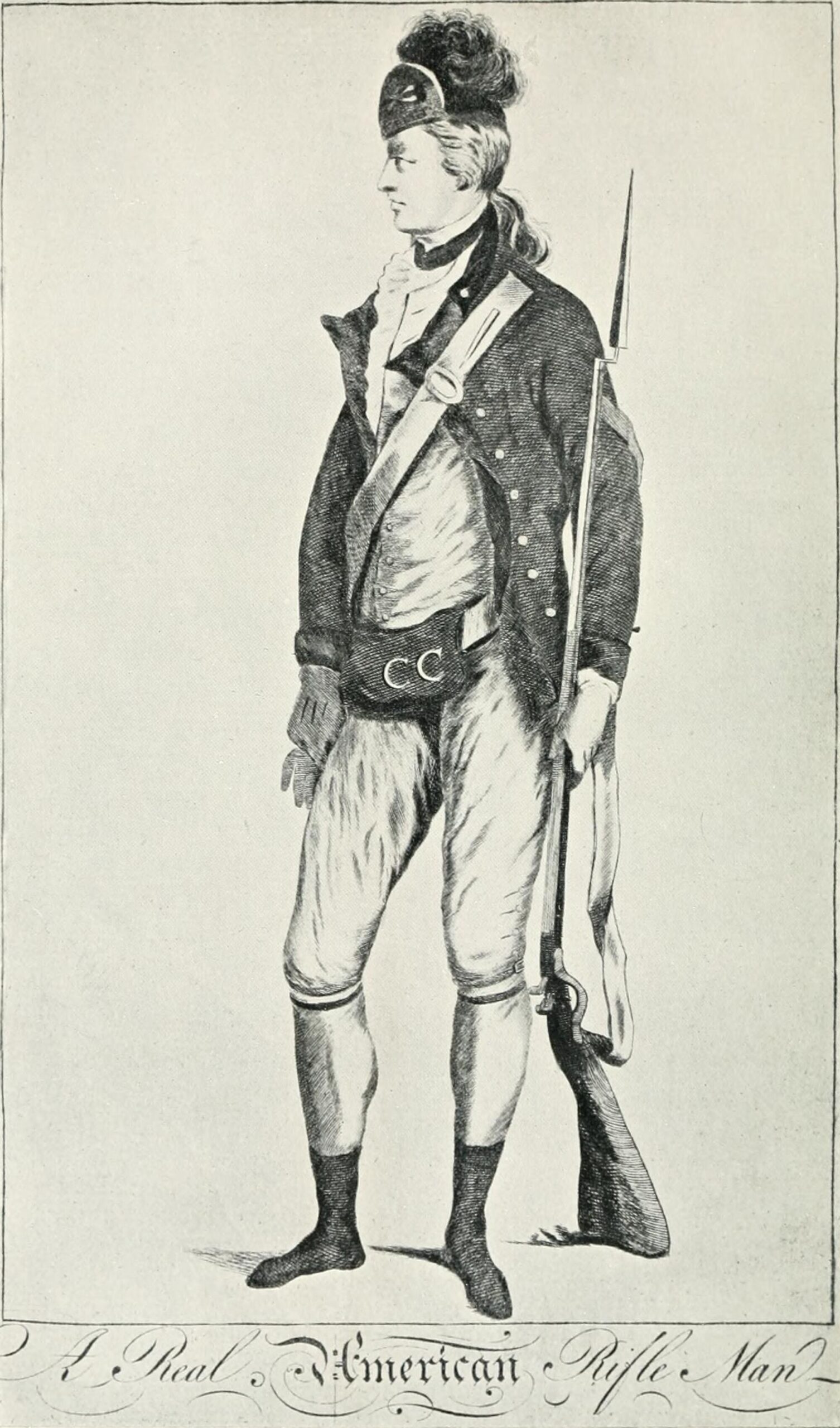
Congress also authorized the enlistment of expert rifle companies from Pennsylvania, Maryland, and Virginia to march north and reinforce the siege. These frontier marksmen carried uniquely American longrifles with grooved barrels — weapons that reloaded slowly but could reach targets at more than 200 yards, far beyond the range of British smoothbore muskets. Their arrival signaled that the war was no longer a New England affair but a shared struggle of the united colonies.
Though the early Continental Army was still a patchwork of short-term enlistments and regional loyalties, the strategic coordination Congress initiated on June 14 laid the foundation for the professional force that would ultimately secure American independence. In many ways, the army truly did come first — a national institution born before the nation itself.
