
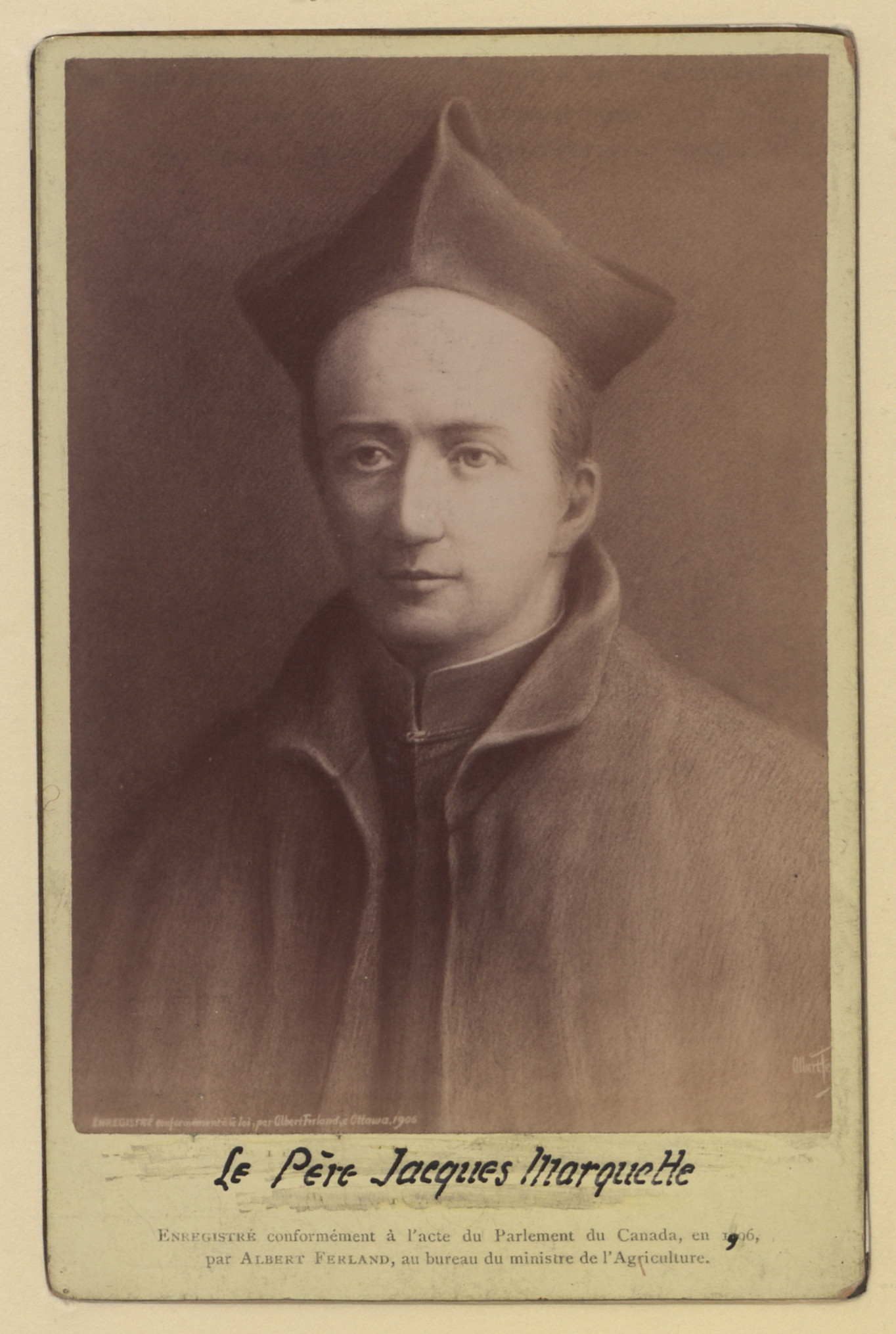
Father Jacques Marquette, born June 1, 1637, undertook one of the most significant exploration journeys of the seventeenth century when he traveled down the Mississippi River in fragile birchbark canoes. His expedition required immense physical endurance as he and his companions paddled thousands of miles through unfamiliar terrain. Marquette relied heavily on the hospitality, guidance, and maps of Indigenous nations, whose assistance made the journey possible.
His journals reveal a deep respect for the people he encountered, noting their generosity and the knowledge they shared. Unlike many European explorers of his era, Marquette approached the continent with a desire to listen and learn rather than conquer. His legacy endures as a rare example of cross‑cultural cooperation during a time often marked by conflict.