
Secluded Networks, Hidden Messages, and the Women Who Moved Through the War Unseen
The Civil War produced its share of battlefield legends, but some of the most consequential work happened far from the lines—in parlors, boarding houses, refugee camps, and the blurred spaces between North and South. Women, lacking official standing in either army, turned the domestic world into a weapon. They built intelligence networks, carried coded messages, and moved information with a freedom men in uniform didn’t have. Using everything from hollowed-out eggs to the voluminous folds of their hoopskirts, they shaped campaigns and exposed plots in ways history is only now fully documenting.
Rose O’Neal Greenhow: Washington’s Most Dangerous Hostess
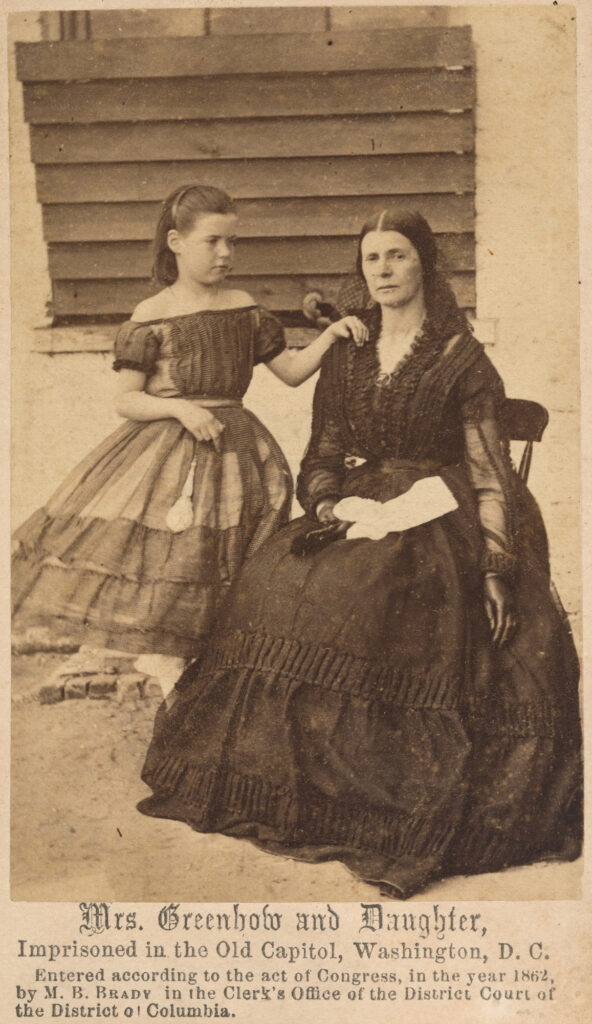
A well-connected Washington socialite, Greenhow used her position to gather intelligence from senators and diplomats who underestimated her. In 1861, she sent a ten-word coded message—hidden in the silk bun of a courier’s hair—that alerted Confederate forces to Union movements toward Manassas, helping secure a victory at First Bull Run. Even while under house arrest, she continued to smuggle out dispatches, proving that a parlor could be as effective as a command tent.
Elizabeth Van Lew: The Union’s Eyes Inside Richmond
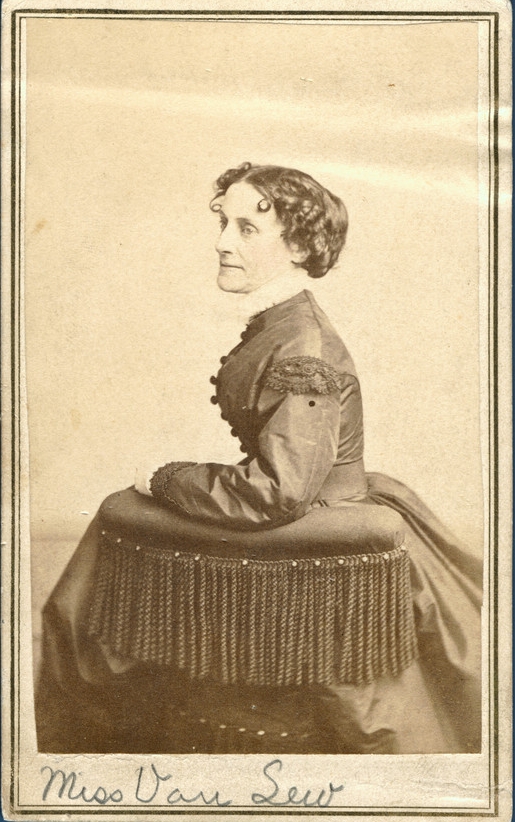
Operating in the heart of the Confederate capital, the Vassar-educated Van Lew built the most sophisticated Union spy network of the war. To deflect suspicion, she reportedly adopted an eccentric persona that earned her the nickname “Crazy Bet,” allowing her to move through Richmond unbothered. Her intelligence reached General Grant directly, often through coded letters tucked into the soles of shoes or hidden inside the false bottoms of egg baskets carried by her servants. Her service was so vital that after the war, Ulysses S. Grant personally visited her to offer his thanks, later appointing her Postmaster of Richmond as a tribute to the woman who had been his most reliable eyes and ears.
Mary Bowser: The Woman Who Saw Everything
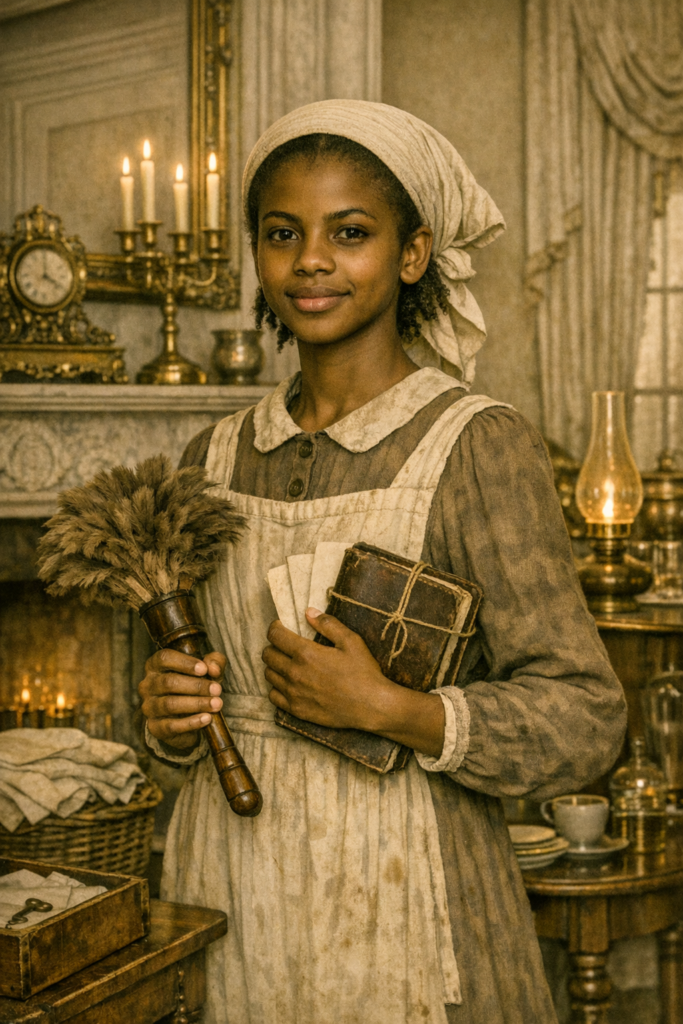
Working within Van Lew’s network, Mary Bowser—a formerly enslaved woman with a near-photographic memory—infiltrated the Confederate White House as a domestic servant. While dusting the office of Jefferson Davis, she read military dispatches and overheard private strategy sessions. Because the Confederate leadership assumed she was illiterate, they spoke freely in her presence. She relayed these secrets back to the Union, providing intelligence so precise that officers later described it as being “of the utmost value.”
Harriet Tubman: The Scout and Spymaster
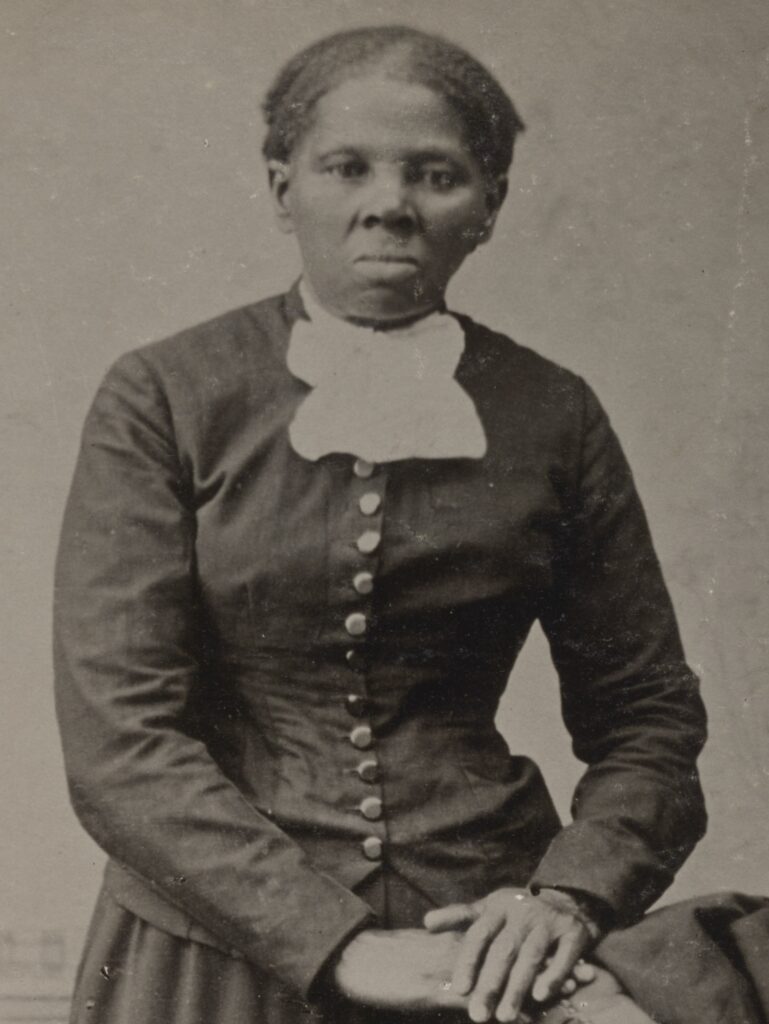
Beyond her work on the Underground Railroad, Tubman served the Union as a master scout and spy in South Carolina. She organized a network of former slaves to map Confederate torpedoes (mines) and supply depots along the Combahee River. In June 1863, she became the first woman to lead an armed military raid, using her gathered intelligence to bypass river defenses and liberate over 700 enslaved people.
Belle Boyd: The Courier Who Refused to Be Ignored
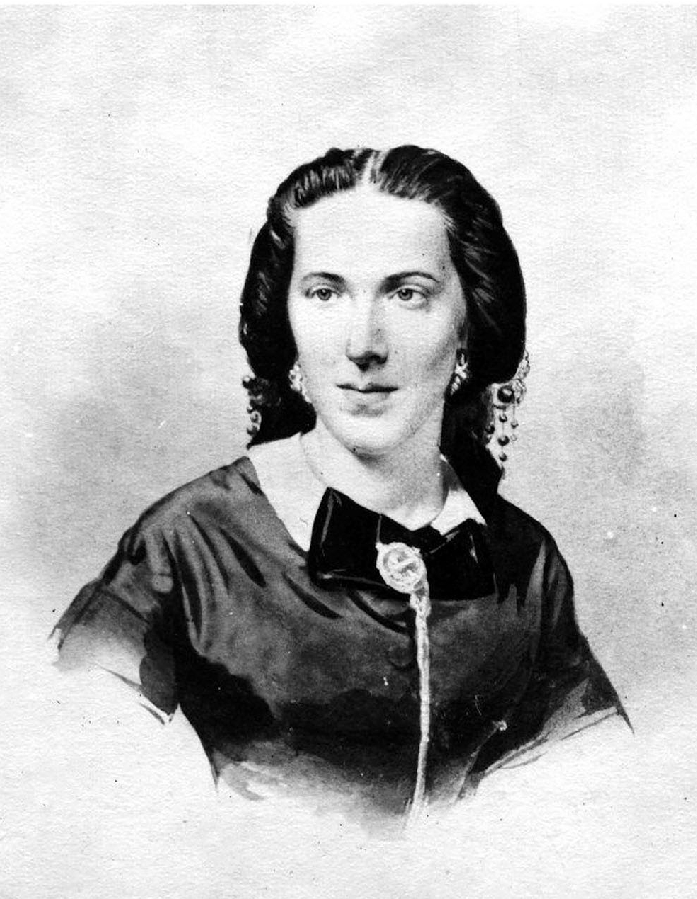
At just seventeen, Boyd began carrying messages through Union lines in the Shenandoah Valley. She was famous for her audacity, once racing across an open battlefield under fire to deliver tactical secrets to Stonewall Jackson’s aides. Her “cage crinolines” (hoop skirts) served as more than fashion; their vast interior space allowed her to smuggle medicine, mail, and even small supplies across enemy lines without detection.
Pauline Cushman: The Actress Who Became a Union Operative
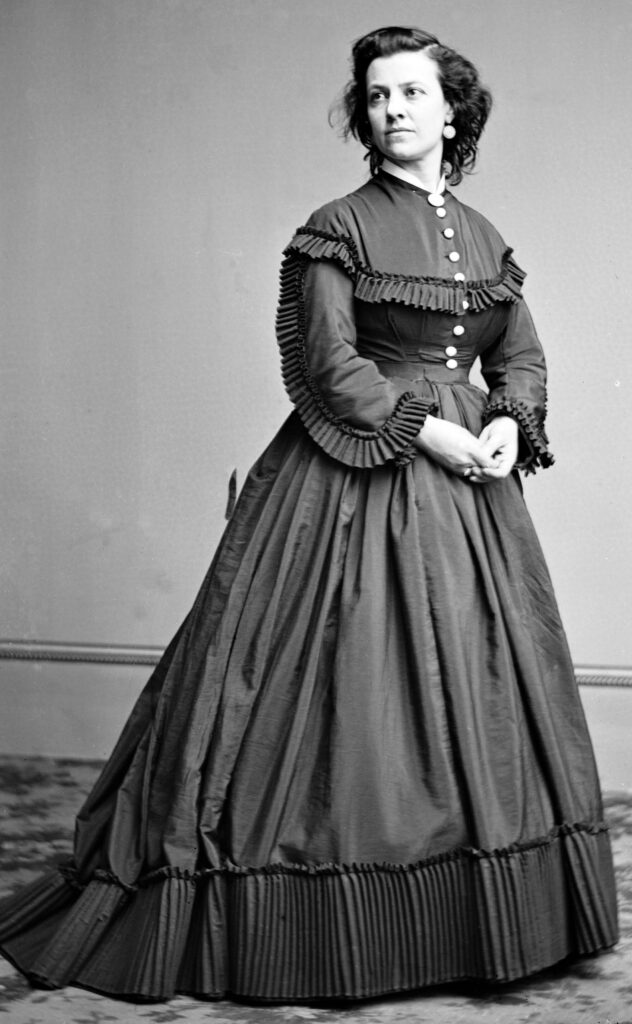
A stage performer before the war, Cushman used her theatrical skills to gather intelligence behind Confederate lines. After being challenged by Confederate officers to toast Jefferson Davis during a performance, she used the moment to solidify her “Southern” cover while secretly working for the Union. She was eventually captured and sentenced to hang, only to be saved at the last moment when Union forces advanced on the jail.
Networks, Not Just Names
For every well-known figure, dozens of unnamed women carried notes, memorized troop movements, or passed along overheard conversations. They turned the everyday tools of 19th-century life—quilts, laundry lines, and grocery baskets—into a secret language. Their work rarely appeared in official reports, but officers on both sides acknowledged the same truth: women moved through the war’s spaces in ways men could not, and armies ignored them at their peril.



Leave a Reply