

When we think of Native American leaders, names like Sitting Bull or Geronimo often dominate the conversation. Yet history is full of remarkable chiefs whose legacies are just as profound, though less widely remembered. Here are eight figures whose courage, diplomacy, and vision deserve the spotlight.
Awashonks (Sakonnet Tribe, Rhode Island)
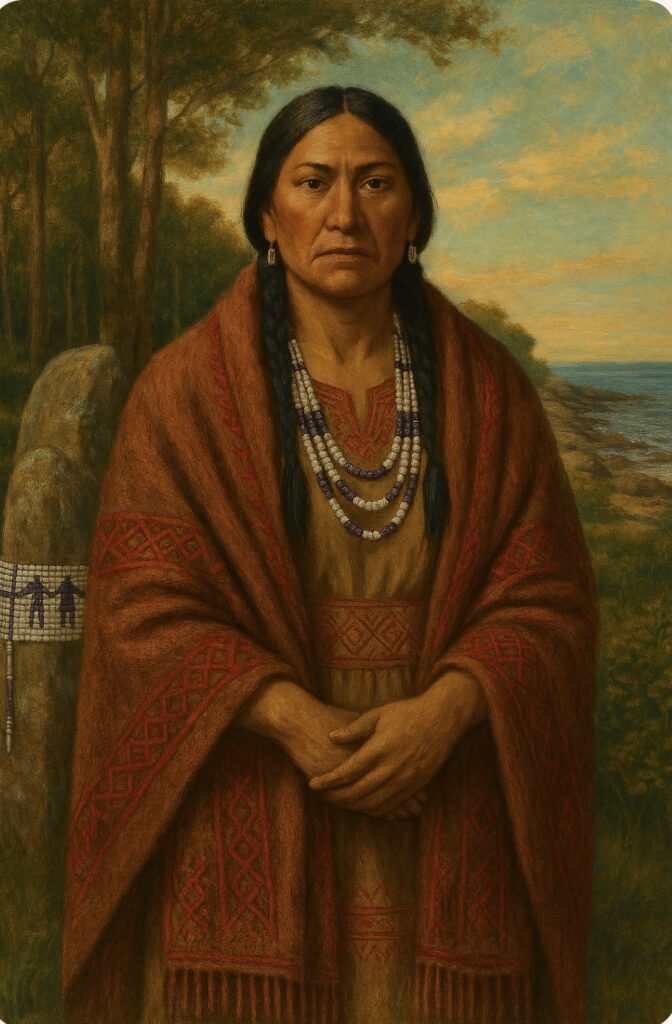
Awashonks is one of the few known female sachems in colonial New England. During King Philip’s War in the 1670s, she was able to deal with changing alliances with great skill. She often had to choose between survival and diplomacy, which made sure her people’s voices were heard in a world where men were in charge. Awashonks makes us question what we think we know about leadership roles in Native societies and reminds us that women played a big role in both governance and survival.
Black Kettle (Southern Cheyenne)
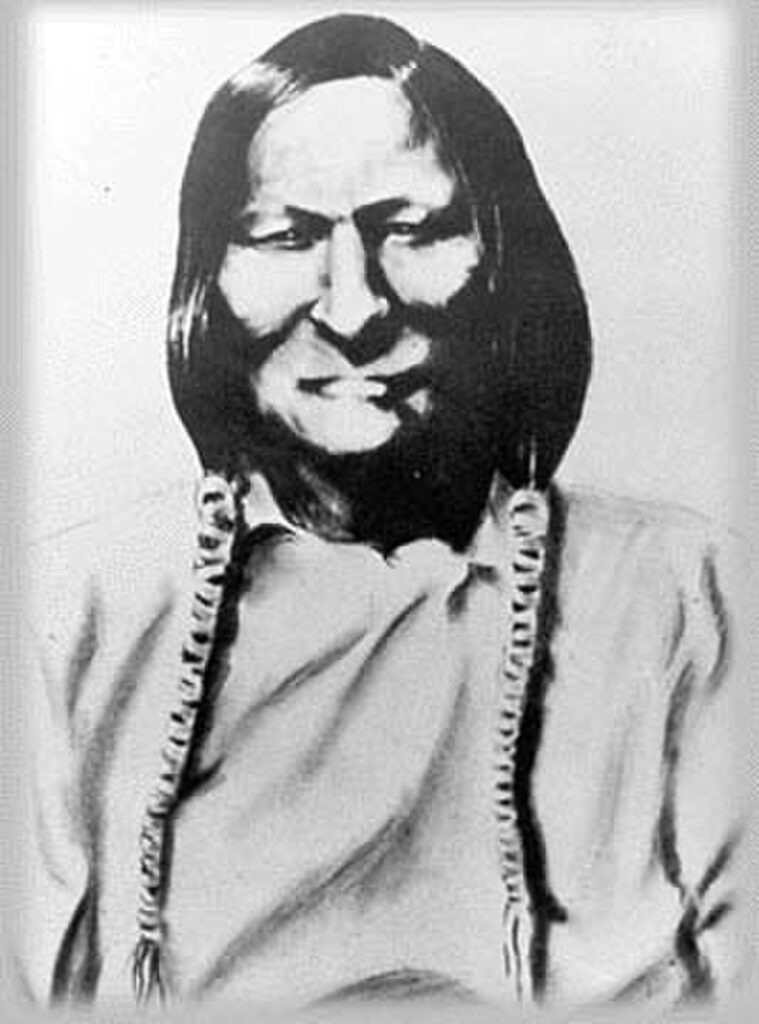
Black Kettle’s life was all about his never-ending search for peace. He kept talking to the U.S. government after the Sand Creek Massacre in 1864 because he thought that dialogue could keep his people safe. Sadly, his dedication to peace led to his death at the Washita River in 1868. Black Kettle’s legacy is bittersweet: he was a leader who tried to bring people together during a time of violence and showed how brave it is to choose peace when everything is against you.
Cornplanter (Seneca Nation)
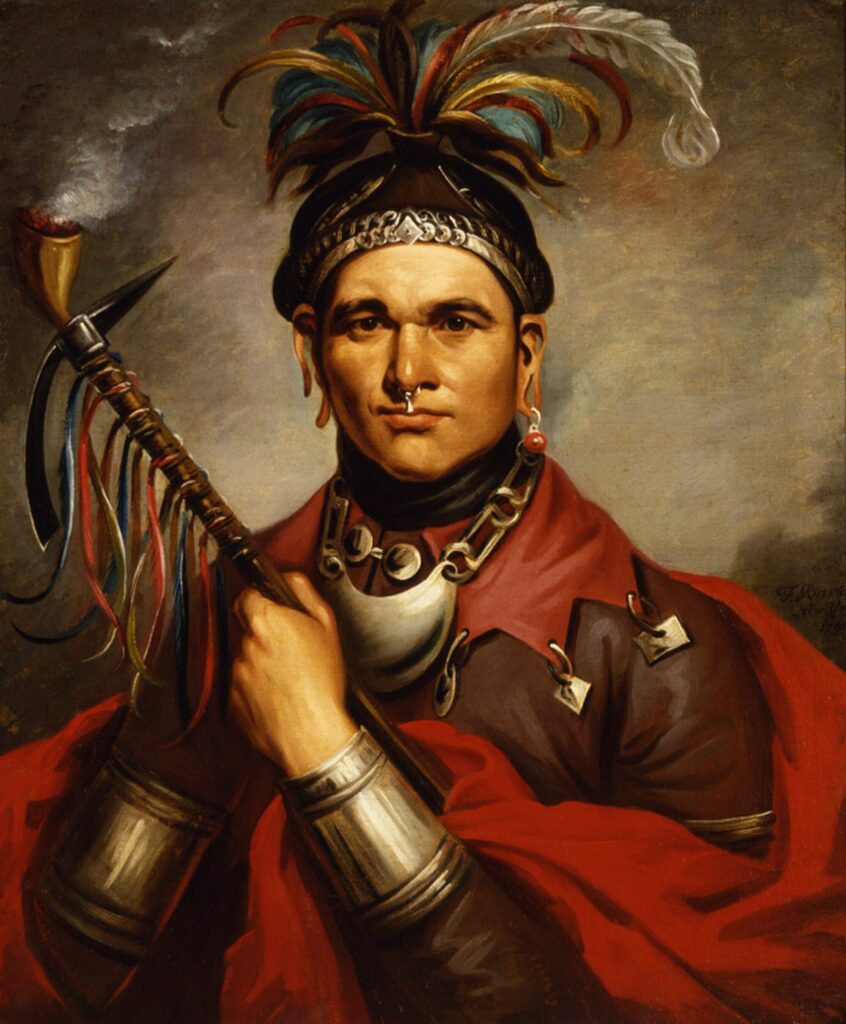
Cornplanter became an important go-between for the Iroquois Confederacy and the new United States. He knew that diplomacy was important for keeping Seneca lands and traditions safe, even when settlers and government officials were putting pressure on him. He was respected by both sides because he could connect people from different cultures, but he often had to make compromises. The story of Cornplanter shows how hard it was for Native leaders to find a balance between fighting back and staying alive.
Chief Oshkosh (Menominee)
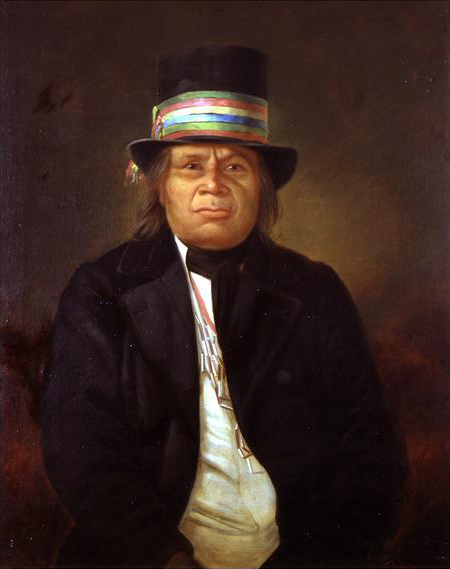
During the hard times of treaty talks in the 1800s, Chief Oshkosh led the Menominee people. Many leaders fought against it, but Oshkosh took a practical approach and made sure his people kept their reservation in Wisconsin. His leadership kept a home for future generations, even though the Menominee were going through a lot of problems. The city of Oshkosh is named after him today, which shows how long-lasting his impact was and how much he was willing to give up for the sake of his people.
Wovoka (Paiute)
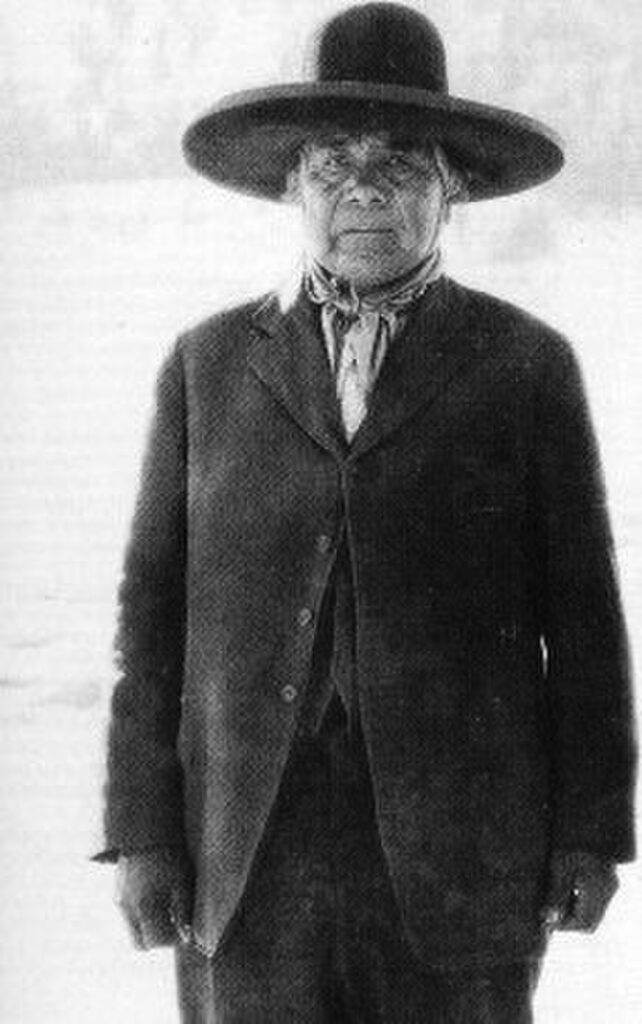
Known to non-Natives as Jack Wilson, Wovoka was the Paiute prophet who inspired the Ghost Dance movement. His vision promised renewal: the restoration of Native lands, the return of ancestors, and a peaceful future free from oppression. Wovoka preached nonviolence, urging his followers to embrace hope rather than despair. Though the Ghost Dance was tragically misunderstood and suppressed, his teachings remain a powerful symbol of resilience and spiritual resistance.
Little Turtle (Miami Tribe)
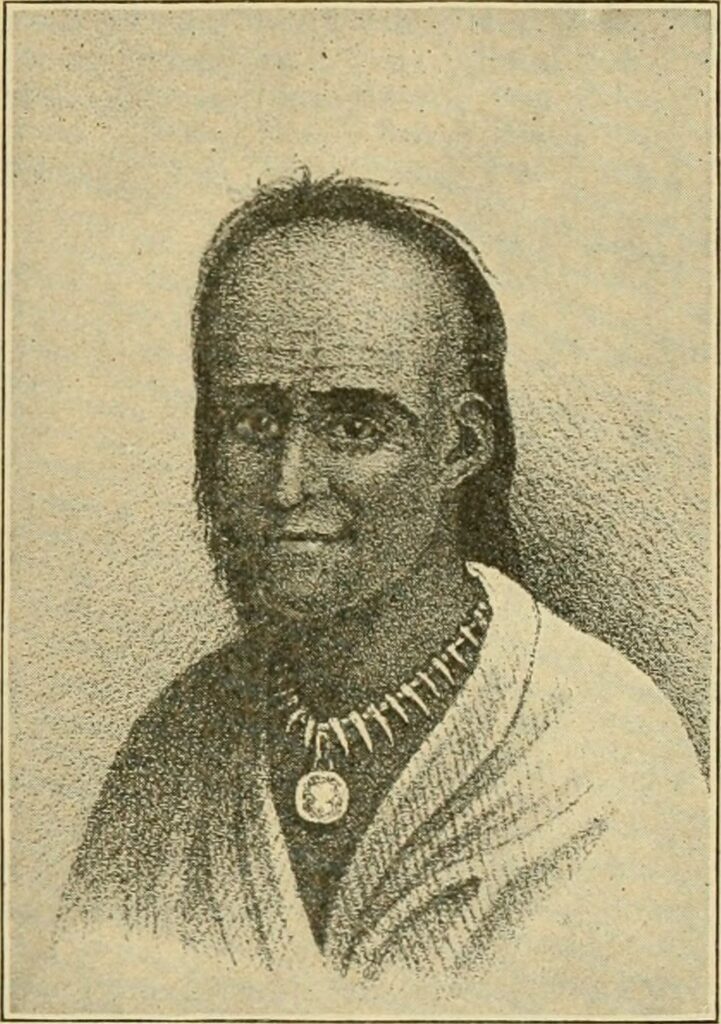
Little Turtle was a brilliant strategist who led Native forces to stunning victories against U.S. troops in the 1790s, including the defeat of General St. Clair’s army. Yet he was also pragmatic, recognizing when continued warfare would bring only devastation. Later in life, he advocated for peace and adaptation, urging his people
Satanta (Kiowa)
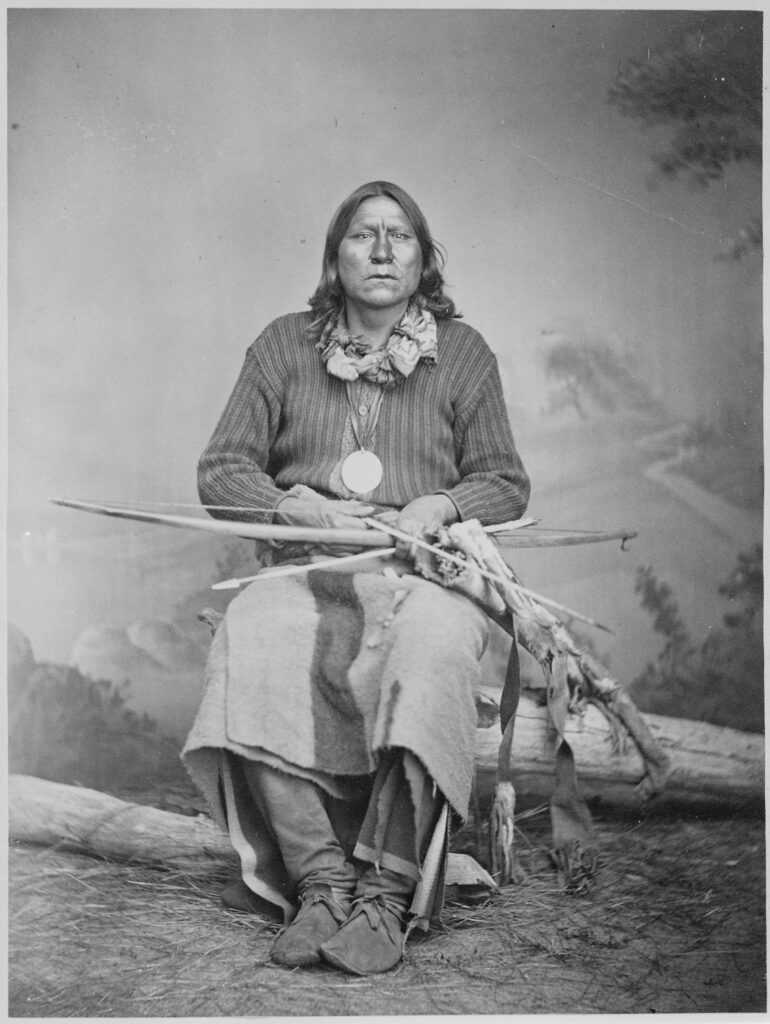
Satanta earned the nickname “Orator of the Plains” for his powerful speeches, which captured the pride and determination of the Kiowa people. He spoke with eloquence and conviction, defending his people’s independence during the turbulent years following the Civil War. His words carried weight not only among his own people but also in negotiations with U.S. officials. Satanta’s story reminds us that leadership can be expressed through the power of language as much as through battle.
Washakie (Shoshone)
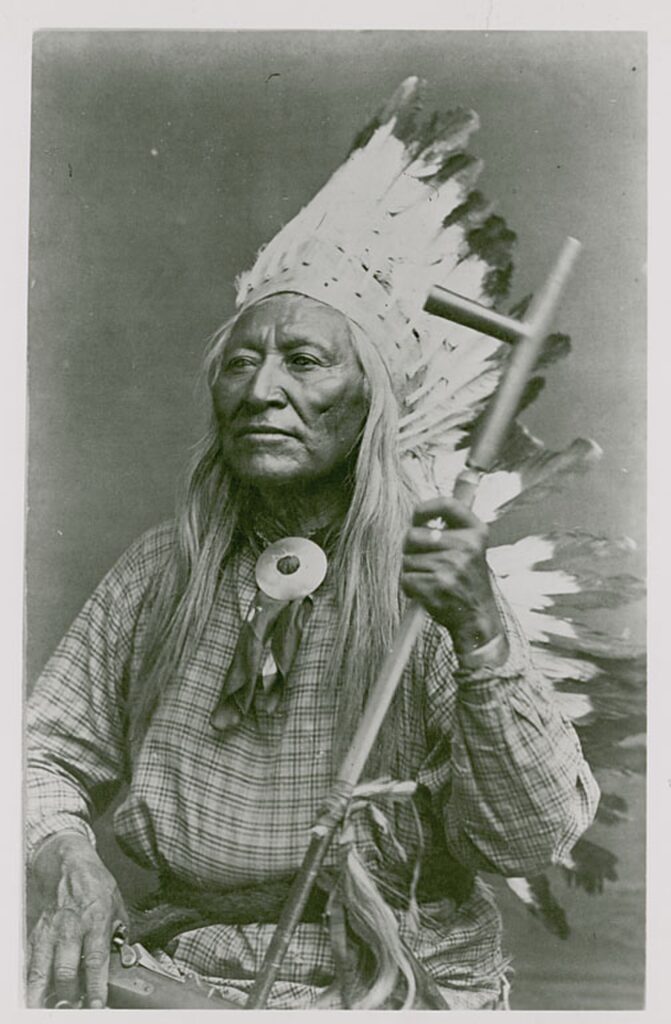
Washakie is remembered as both a warrior and a diplomat. He fought fiercely when necessary, but he also recognized the importance of negotiation in securing his people’s future. His greatest achievement was securing the Wind River Reservation in Wyoming, giving the Shoshone a permanent homeland. Washakie’s legacy is one of bridge-building, a leader who sought survival through diplomacy while never forgetting the strength of his people’s traditions.
Each of these leaders faced impossible choices—between war and peace, tradition and adaptation, survival and sacrifice. Their stories remind us that history is not only shaped by the famous names but also by those who worked tirelessly, often quietly, to preserve their people’s dignity and future. By remembering Awashonks, Black Kettle, Cornplanter, Oshkosh, Wovoka, Little Turtle, Satanta, and Washakie, we honor the diversity of Native leadership and the resilience of communities who endured immense upheaval.


Leave a Reply